Tragedy in La Guaira: The Devastating Impact of the Earthquake on Housing
Following the earthquakes in Venezuela, satellite imagery reveals a catastrophe that has left 235 dead and thousands injured, wiping out key infrastructure.
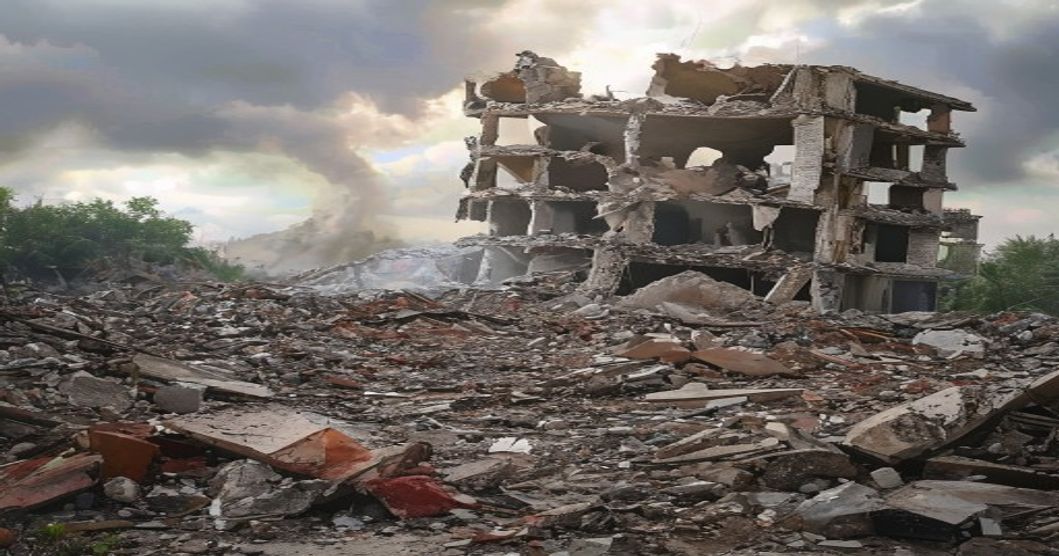
A Scene of Desolation in the Caribbean
On June 24, 2026, Venezuela was struck by two major seismic events in the La Guaira region. According to data from the U.S. Geological Survey (USGS), the first earthquake reached a magnitude of 7.2, followed just 38 seconds later by a second tremor of 7.5. The speed and violence of these phenomena have left a tragic toll of 235 dead and 4,300 injured, plunging the country into a profound humanitarian crisis.
Satellite images captured before and after the events show a transformed landscape. What were once vibrant urban centers, packed with residential buildings, have turned into fields of rubble and dust. The destruction has not only claimed lives but has pulverized the urban fabric of the Venezuelan coast.
The Housing Crisis and Social Uncertainty
The structural impact is incalculable. The massive loss of housing raises immediate questions about the stability of thousands of families who have seen their assets disappear in a matter of seconds. In a context where access to housing was already a constant concern—similar to the debates on the housing crisis affecting other regions, as analyzed in France on high alert: The impact of the heatwave on housing and health—this natural disaster aggravates an already complex social situation.
"In many locations where there were once large buildings, there are now vacant lots. A destruction reminiscent of a bombing, but this time without human intervention."
Post-Disaster Economic Outlook
The reconstruction of La Guaira will be a long and costly process. Property owners whose buildings are still standing face a landscape of financial uncertainty. The relationship between rental contracts and structural safety guarantees will be the focal point of legal disputes in the coming months. Likewise, the burden of a mortgage on a property that has been reduced to rubble presents an ethical and economic dilemma that the local government must address urgently to avoid a greater social collapse.
- Immediate priority: Rescue and medical care for the 4,300 injured.
- Medium term: Damage assessment of critical infrastructure.
- Long term: Reconstruction of housing and relocation of those affected.
The tragedy in La Guaira is a reminder of the vulnerability of modern infrastructure to the forces of nature. As emergency efforts continue, Venezuelan society faces the challenge of rising from the ruins of its own recent history.
Sources:
- U.S. Geological Survey (USGS)
- Vantor MediaValet
- elDiario.es
Related articles
1 de octubre de 2026
The Rental Map: How Housing Has Become an Unaffordable Luxury
Rental prices in Spain have risen by 43% in a decade, far outstripping wage growth and pushing millions of families to the breaking point.
24 de septiembre de 2026
Maricarmen's Eviction: The Stark Reality of Spain's Housing Crisis
The case of Maricarmen highlights the urgency of Spain's housing crisis, characterized by evictions and unaffordable rents.
17 de septiembre de 2026
AI in the classroom: Between bans and innovation amidst the housing crisis
The global educational debate on AI reflects a divide between prohibition and integration, set against a social backdrop marked by housing instability.
10 de septiembre de 2026
Mental Health and Housing: The State Suicide Registry as a Key Measure
The Ministry of Health is preparing a state registry to systematize suicide data and improve prevention policies across the country.
Loading comments...