Wildfires: How to protect your home from extreme fire
The Almería fire marks an unprecedented tragedy; we analyze key safety and prevention measures to protect your home and surroundings.
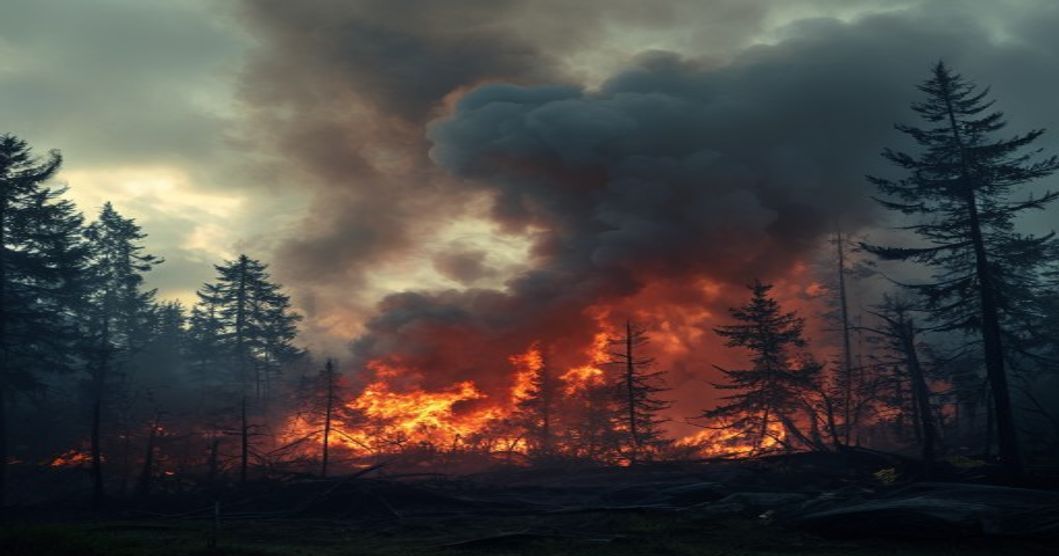
The Almería tragedy and the risk to our homes
The recent wildfire in Los Gallardos, Almería, has become the deadliest catastrophe of the 21st century in Spain. With 12 deaths, eight people seriously injured, and more than a thousand evacuated, this event forces us to rethink our relationship with the natural environment. Beyond concerns regarding rent or mortgages on the affected properties, the value of human life must be the central pillar of any safety protocol.
Factors that turn a fire into a catastrophe
Experts such as María Barbosa (UKCEH) point out that the combination of dry vegetation, high temperatures, and mountainous terrain creates a scenario of extreme fire behavior. The virulence of the Almería fire is no coincidence, but rather the result of an accumulation of risks that we often underestimate.
"Catastrophes caused by wildfires are usually the result of years of negligence and slow decision-making," states Guillermo Rein, Professor at Imperial College London.
Climate change is intensifying these conditions, forcing us to consider safety as a priority, as analyzed in the New manual on euthanasia: healthcare agility vs. housing, where efficient resource management is vital for survival.
Action protocols: what to do in the face of fire?
Uncertainty during an emergency is the greatest enemy. Ferran Dalmau–Rovira, a forest engineer, offers clear guidelines to minimize risks:
- Strategic shelter: If authorities have not ordered an evacuation, staying in sturdy buildings within an established urban area is the safest option. These environments have a lower fuel load.
- Early evacuation: Follow the instructions of emergency services exclusively. Do not attempt to take alternative routes that may be blocked or saturated with smoke.
- The vehicle as a last resort: Although a car can offer temporary protection against heat, it is a high-risk measure in situations involving sudden wind shifts.
Toward a culture of resilience
Prevention should not be limited to clearing forests; it requires urban planning that understands fire risk as a structural variable. While authorities investigate a possible failure in a power line, citizens must demand more resilient communities. Adaptation, as experts point out, is our only real path forward in the face of a future marked by extreme heat.
Sources: elDiario.es, EFFIS (Copernicus).
Related articles
1 de octubre de 2026
The Rental Map: How Housing Has Become an Unaffordable Luxury
Rental prices in Spain have risen by 43% in a decade, far outstripping wage growth and pushing millions of families to the breaking point.
24 de septiembre de 2026
Maricarmen's Eviction: The Stark Reality of Spain's Housing Crisis
The case of Maricarmen highlights the urgency of Spain's housing crisis, characterized by evictions and unaffordable rents.
17 de septiembre de 2026
AI in the classroom: Between bans and innovation amidst the housing crisis
The global educational debate on AI reflects a divide between prohibition and integration, set against a social backdrop marked by housing instability.
10 de septiembre de 2026
Mental Health and Housing: The State Suicide Registry as a Key Measure
The Ministry of Health is preparing a state registry to systematize suicide data and improve prevention policies across the country.
Loading comments...