The Rental Crisis: How Housing Prices Are Making Us Poorer
The increase in new rental contracts has led to an average loss of 11% in the purchasing power of Spaniards over the last decade.
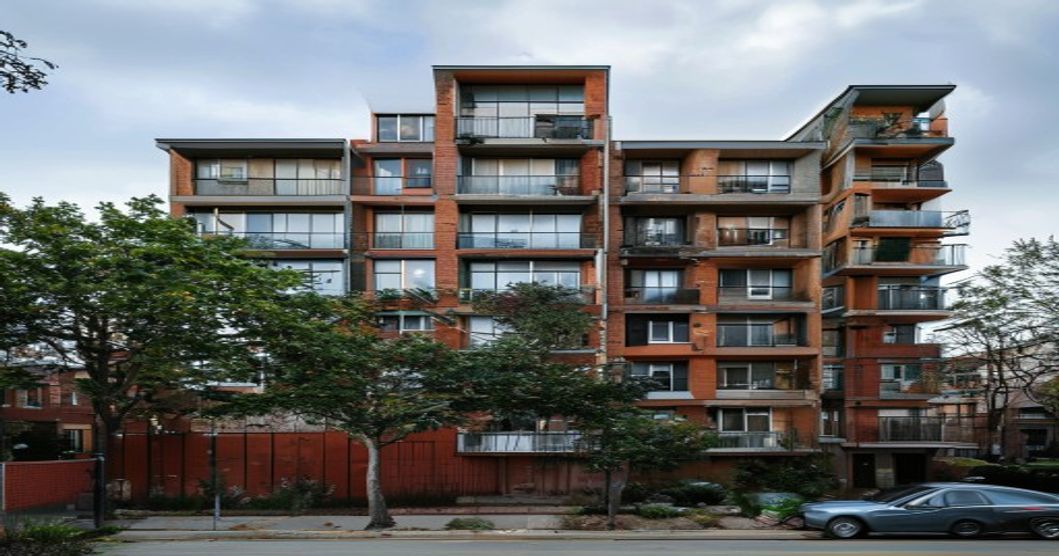
The Unsustainable Gap Between Salaries and Housing
Access to decent housing has become the main factor of economic erosion for Spanish families. According to a recent report from the economic cabinet of Comisiones Obreras, signing new rental contracts has caused tenants to lose, on average, 11% of their purchasing power since 2015. While wages have experienced moderate growth, prices in new contracts have climbed by 37% in the same period, creating a scenario of financial suffocation for a large part of the population.
This phenomenon not only affects those seeking their first home but also perpetuates a precariousness that impacts family development, a topic we explore in depth in our analysis on "Maternal Employment and Child Development: Myths vs. Housing".
Regional Impact: Valencia, the Epicenter of the Crisis
The imbalance is not uniform across the national territory. The Valencian Community leads this problem, with an increase in new contract prices of 55%, translating into a loss of purchasing power of 19% for its inhabitants.
"Let the government buy my house and put it up for social rent," demands Maricarmen, an 87-year-old woman facing her second eviction attempt, symbolizing the human drama behind the macroeconomic figures.
Strained Areas and Legal Loopholes
While legal mechanisms like the IRAV (Housing Rental Reference Index) exist to limit increases in existing contracts, new contracts operate in a much more volatile arena. Unless an area is explicitly declared a "strained zone" by regional authorities, landlords are free to adjust prices upwards, taking advantage of high demand.
- Melilla, Extremadura, and Ceuta: The only regions where wage growth has managed to outpace rental increases.
- Madrid and the Balearic Islands: Register a 14% loss in purchasing power for new tenants.
- 2020-2024 Trend: The loss of purchasing power has accelerated, particularly affecting communities like Asturias and the Valencian Community itself.
Conclusion: A Right or a Financial Burden?
The comparison between the cost of rent versus the stability offered by a mortgage (in cases where access to credit is possible) shows that housing remains the biggest burden for the working class. The lack of uniform regulation and the stagnation of real incomes against escalating prices suggest that, without structural measures, the impoverishment of tenant households will continue to be a constant in the coming decade.
Related articles
1 de octubre de 2026
The Rental Map: How Housing Has Become an Unaffordable Luxury
Rental prices in Spain have risen by 43% in a decade, far outstripping wage growth and pushing millions of families to the breaking point.
24 de septiembre de 2026
Maricarmen's Eviction: The Stark Reality of Spain's Housing Crisis
The case of Maricarmen highlights the urgency of Spain's housing crisis, characterized by evictions and unaffordable rents.
17 de septiembre de 2026
AI in the classroom: Between bans and innovation amidst the housing crisis
The global educational debate on AI reflects a divide between prohibition and integration, set against a social backdrop marked by housing instability.
10 de septiembre de 2026
Mental Health and Housing: The State Suicide Registry as a Key Measure
The Ministry of Health is preparing a state registry to systematize suicide data and improve prevention policies across the country.
Loading comments...