The Great Transfer: The rental costs suffocating households
The rental market in Spain now generates 28 billion euros annually, consolidating a gap of inequality between generations and income levels.
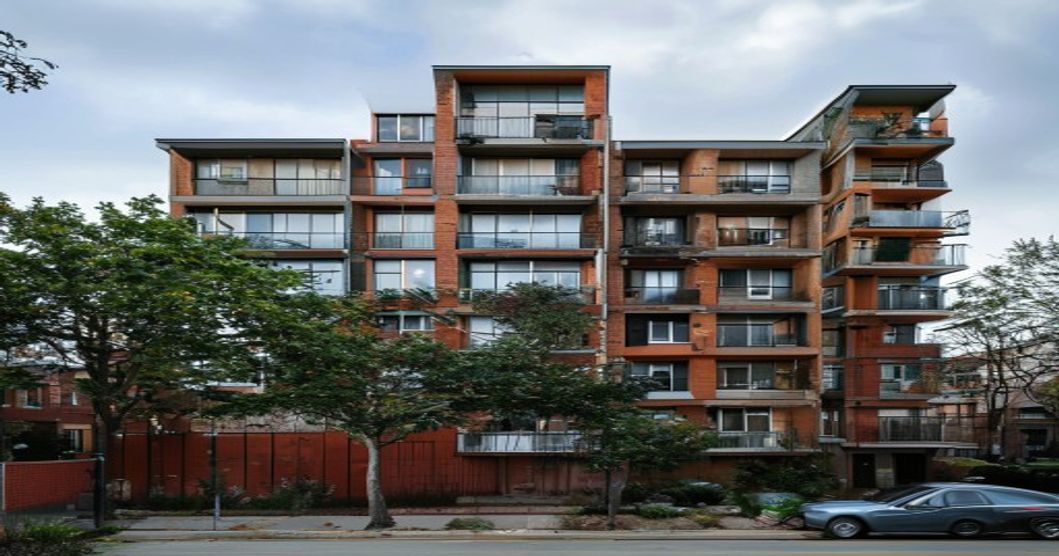
An economy marked by rent transfers
The rental market in Spain has undergone a radical transformation over the last decade. What was once a temporary housing solution has become a financial machine that moves nearly 28 billion euros annually, a figure equivalent to 1.6% of the national GDP. This capital transfer, which has doubled since 2015, is not just an indicator of rising housing costs, but a symptom of growing structural inequality.
As the executive branch has noted, housing is the top priority, but there are no magic solutions. The reality is that the burden of rent is draining household consumption capacity, directly affecting productivity and limiting the life opportunities of younger generations.
Who are the key players in this flow?
The market dynamics reveal a deep asymmetry. While tenants under 35 spend more than a third of their income on rent, the capital collected flows largely toward the highest earners.
- The wealthiest 10% of the population receives nearly 45% of total rental income.
- 88% of the money transferred ends up in the hands of individuals who pay personal income tax (IRPF), compared to 12% going to companies or funds.
- There is a marked generational gap: more than 9.6 billion euros go to property owners over the age of 65.
The savings and ownership trap
For many young people, paying rent feels like paying a mortgage for a house that will never be theirs. This situation creates a vicious cycle: the economic effort required to cover monthly rent prevents the savings necessary to access home ownership.
"While the life prospects of one part of the population diminish, those of another part increase based on the profit they obtain from their real estate assets," notes sociologist Almudena Martínez.
A future of consolidated inequality
Data analysis suggests that housing has ceased to be a basic necessity and has become the primary investment asset. The lack of access to home ownership is creating a chronic divide in Spanish society. Those who fail to build equity through real estate today face a future where property ownership will be a privilege of the few, leaving a growing mass of tenants in a state of permanent financial vulnerability.
The great transfer is not just an economic statistic; it is an X-ray of a social model that, far from facilitating independence, is consolidating a hierarchy based on real estate ownership.
Related articles
1 de octubre de 2026
The Rental Map: How Housing Has Become an Unaffordable Luxury
Rental prices in Spain have risen by 43% in a decade, far outstripping wage growth and pushing millions of families to the breaking point.
24 de septiembre de 2026
Maricarmen's Eviction: The Stark Reality of Spain's Housing Crisis
The case of Maricarmen highlights the urgency of Spain's housing crisis, characterized by evictions and unaffordable rents.
17 de septiembre de 2026
AI in the classroom: Between bans and innovation amidst the housing crisis
The global educational debate on AI reflects a divide between prohibition and integration, set against a social backdrop marked by housing instability.
10 de septiembre de 2026
Mental Health and Housing: The State Suicide Registry as a Key Measure
The Ministry of Health is preparing a state registry to systematize suicide data and improve prevention policies across the country.
Loading comments...