The 17M in Andalusia: Housing and Disenchantment Shape the Polls
Amid concerns over housing access and political distrust, Andalusians head to the polls with their families' futures in focus.
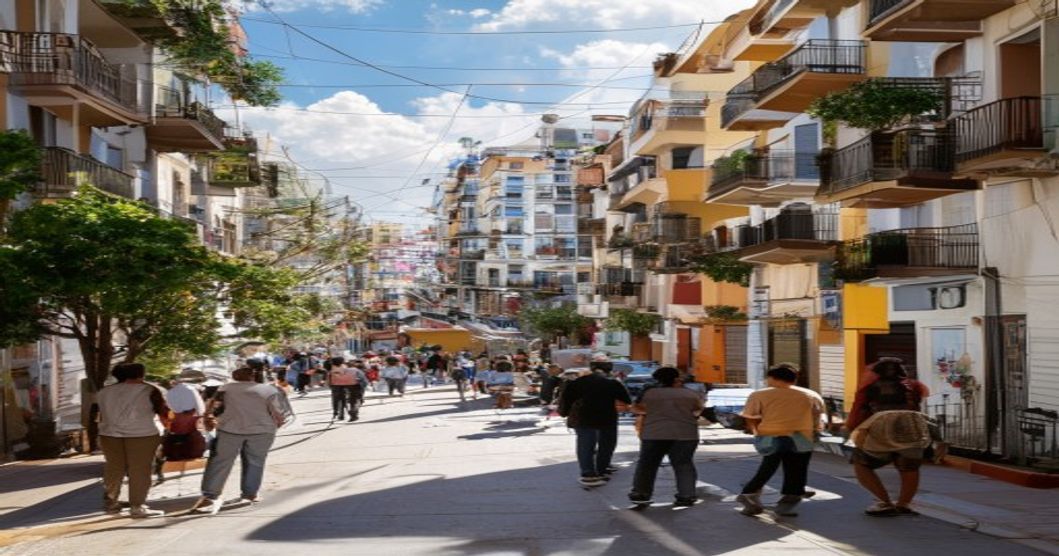
The pulse of a society in transformation
The 17M regional elections in Andalusia have left a clear picture: citizens, beyond party labels, are focused on the shortcomings of their daily lives. With turnout reaching 52.16% at 6:00 PM, seven points higher than the 2022 elections, the electorate has shown that real concerns — healthcare, education, and access to housing — carry more weight than campaign rhetoric.
The generational gap and the real estate market
One of the most recurring issues in conversations at the polling stations is the impossibility of moving out. Young professionals, despite being employed, are forced to continue living with their parents due to prohibitive rental prices and the difficulty of obtaining a mortgage. This reality is not exclusive to one social stratum, but rather a transversal malaise affecting working-class neighborhoods and high-income areas alike.
The real estate sector crisis has been a central theme, highlighting the importance of robust public policies, as analyzed in other social contexts in articles such as Gastarbeiter: cuando los españoles sufrieron el estigma y la vivienda. The lack of housing options is forcing many families to rethink their immediate future.
Priorities that transcend ideology
Beyond housing, the dependency system and public healthcare have been the pillars of public debate. The testimonies collected reflect a shared fatigue:
- Dependency: Families that, even with approved aid, suffer from administrative collapse and insufficient resources.
- Healthcare: Surgical waiting lists extending until 2028, eroding trust in the public system.
- Political distrust: A growing sense that political parties, regardless of their leanings, have become disconnected from the needs of the average citizen.
"Whoever gets in, they're all going to steal anyway," comments a construction worker, summarizing the sentiment of a portion of the electorate that sees a lack of commitment to real well-being in current politics.
Conclusion: the need for urgent responses
The 17M elections have served as a social thermometer. While the political class debates pacts and majorities, citizens are demanding tangible solutions to job insecurity and the high cost of living. As seen in other social mobilizations, such as the Manifestació històrica a València: la crisi educativa i l'habitatge, the discontent is deep and requires management that puts public services and housing stability at the center of the political agenda.
Sources: elDiario.es.
Related articles
1 de octubre de 2026
The Rental Map: How Housing Has Become an Unaffordable Luxury
Rental prices in Spain have risen by 43% in a decade, far outstripping wage growth and pushing millions of families to the breaking point.
24 de septiembre de 2026
Maricarmen's Eviction: The Stark Reality of Spain's Housing Crisis
The case of Maricarmen highlights the urgency of Spain's housing crisis, characterized by evictions and unaffordable rents.
17 de septiembre de 2026
AI in the classroom: Between bans and innovation amidst the housing crisis
The global educational debate on AI reflects a divide between prohibition and integration, set against a social backdrop marked by housing instability.
10 de septiembre de 2026
Mental Health and Housing: The State Suicide Registry as a Key Measure
The Ministry of Health is preparing a state registry to systematize suicide data and improve prevention policies across the country.
Loading comments...