Hungary: The Dependency System Behind Housing and the Vote for Orbán
In Hungary's poorest villages, massive support for Viktor Orbán is sustained by a network of economic dependency and tight media control.
Modern Feudalism in Deep Hungary
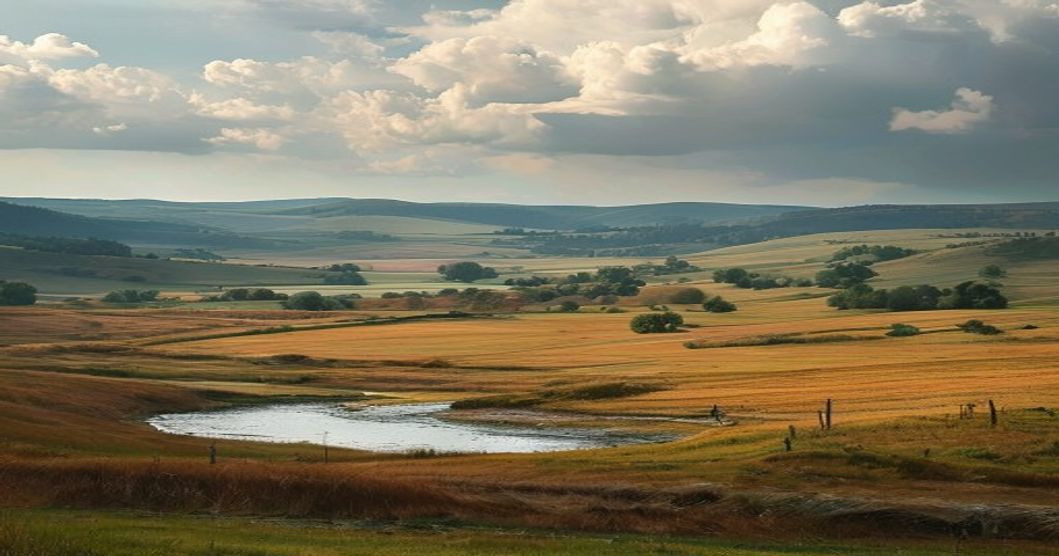
On the Great Hungarian Plain, along the banks of the Tisza River, lie municipalities like Tiszabo and Tiszabura. In these localities, where extreme poverty is the norm, Viktor Orbán doesn't just win elections; he sweeps them with percentages close to 99%. This phenomenon, far from being a simple ideological choice, is the result of a quasi-feudal dependency system consolidated over 16 years of governance.
For many residents, loyalty to the Fidesz party is a matter of survival. The lack of job opportunities makes the Town Hall the main employer, creating a network where votes are exchanged for job security or social assistance. As experts point out, the country's most vulnerable inhabitants have ended up trapped in a cycle of political servitude.
The Economy of Exchange: Votes for Benefits?
Fidesz's influence extends to all aspects of daily life. Citizens openly express that supporting the government is the only way to maintain their stability. This reality directly affects the quality of life for families, where access to decent housing, rental conditions, and the possibility of managing a mortgage are subject to local patronage networks.
"If I give, I receive. If I vote for Fidesz, I get something back: I can leave earlier or they raise my salary," confesses a young local resident.
Segregation as a Political Tool
The Roma community, which constitutes a significant part of the population in these areas, is often the target of the government's segregationist policies. Despite racist statements from high-ranking officials, such as Minister János Lázár—who once described this population as an "internal reserve" of labor—support for the party does not falter. The fear of the alternative and the dehumanization of the opposition have created an effective shield for the regime.
The Absolute Power of Propaganda
Total control over national media has allowed Orbán's message to penetrate these rural areas without opposition. The narrative is clear and effective:
- War as a Threat: Any opposition leader is linked to the conflict in Ukraine, ensuring that voting for the opposition means forced conscription of young people to the front lines.
- Migration: Presented as a constant danger that only Orbán can stop.
- Disinformation: The absence of alternative sources prevents citizens from learning about real proposals, leaving fertile ground for fear.
In conclusion, what is happening in Hungary's rural villages is a lesson on how economic precariousness, combined with a closed information environment, can erode the foundations of democracy, transforming citizen rights into favors granted by a centralized power.
Related articles
1 de octubre de 2026
The Rental Map: How Housing Has Become an Unaffordable Luxury
Rental prices in Spain have risen by 43% in a decade, far outstripping wage growth and pushing millions of families to the breaking point.
24 de septiembre de 2026
Maricarmen's Eviction: The Stark Reality of Spain's Housing Crisis
The case of Maricarmen highlights the urgency of Spain's housing crisis, characterized by evictions and unaffordable rents.
17 de septiembre de 2026
AI in the classroom: Between bans and innovation amidst the housing crisis
The global educational debate on AI reflects a divide between prohibition and integration, set against a social backdrop marked by housing instability.
10 de septiembre de 2026
Mental Health and Housing: The State Suicide Registry as a Key Measure
The Ministry of Health is preparing a state registry to systematize suicide data and improve prevention policies across the country.
Loading comments...