Rivian and the future of artificial intelligence in the automobile
Wassym Bensaid, Rivian's chief software officer, explains why AI and intelligent assistants will replace physical buttons and systems like CarPlay.
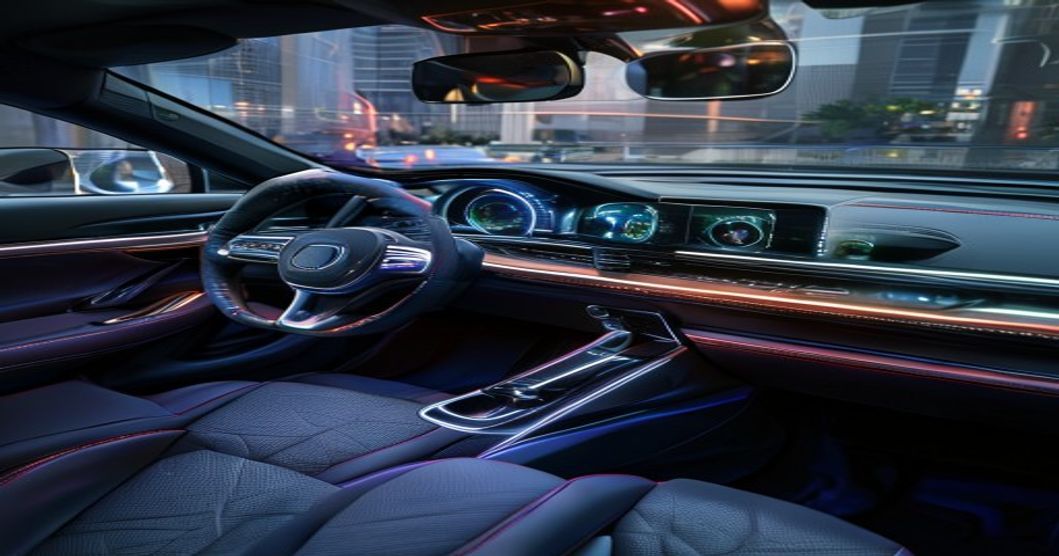
The end of buttons: the new era of automotive
The automotive industry is undergoing a radical transformation. According to Wassym Bensaid, Rivian's chief software officer and co-CEO of the RV Tech joint venture with Volkswagen, the reliance on physical buttons is a vestige of the past. In a world where the vehicle is becoming a connected, highly integrated device, artificial intelligence is not just an aesthetic upgrade, but the central nervous system of the car.
Bensaid argues that the concept of a "software-defined vehicle" has been misunderstood by traditional manufacturers. While legacy brands have tried to layer software onto obsolete mechanical architectures, Rivian is committed to a zonal architecture where software and hardware are designed in tandem from day one.
The bet on artificial intelligence and the Rivian Assistant
The newly launched Rivian Assistant marks the beginning of the company's ambitious strategy to create a more agentic platform (geared toward task execution). Unlike traditional voice assistants, this tool uses advanced models to interact with the vehicle's systems, from suspension control to climate management.
"Artificial intelligence allows us to interact with the car using natural language. It is no longer about executing simple commands, but about delegating complex tasks to the system," notes Bensaid.
The role of machine learning in the user experience
The integration of language models, or LLMs, allows the car not only to understand instructions but to comprehend user context. However, this progress brings significant technical challenges:
- Safety: Critical functions (such as windshield wipers) remain outside of AI control due to homologation regulations.
- Latency: The use of Edge AI allows data to be processed locally, reducing reliance on the cloud.
- Inference costs: Optimizing the balance between local and cloud processing is key to maintaining service profitability.
Why does Rivian reject CarPlay?
One of the most controversial points is Rivian's refusal to integrate Apple CarPlay or Android Auto. Bensaid argues that as artificial intelligence becomes more deeply integrated, phone screen projection becomes obsolete. Rivian seeks to offer an integrated experience where the car knows your calendar, charging preferences, and mobility needs without relying on an external interface that "hijacks" the pixels on the screen.
As we analyzed in Sundar Pichai: AI, the future of search and the web, the key lies in how AI models act as service orchestrators rather than mere search engines. In Rivian's case, the goal is for the car to be an agent capable of connecting the user's digital ecosystem with the physical capabilities of the vehicle.
Conclusion
The partnership with Volkswagen, valued at $6 billion, seeks to scale this vision. By bringing Rivian's agile culture to an industrial giant, the goal is clear: to democratize an architecture where AI is the undisputed protagonist. While the industry debates the utility of assistants, Rivian is already building a future where the car, quite literally, knows what you need before you ask for it.
Sources: The Verge Decoder: Wassym Bensaid on Rivian’s software future.
Related articles
26 de septiembre de 2026
Can Artificial Intelligence Save the Future of the Web?
Matthew Prince, CEO of Cloudflare, analyzes how AI is redefining the Internet's economic model and the role of bots in the new digital ecosystem.
19 de septiembre de 2026
Does Artificial Intelligence Need an Antitrust Exemption?
We examine whether Big Tech is seeking safety or simply protecting its business interests in the face of the artificial intelligence boom.
11 de septiembre de 2026
The Harsh Reality: Why Artificial Intelligence Is Facing Backlash
We analyze the growing social skepticism toward AI and the limits of automation in a world seeking control, agency, and tangible results.
3 de septiembre de 2026
Simultaneous Collapse: What the Artificial Intelligence Outage Teaches Us
ChatGPT, Claude, and Grok suffered simultaneous outages, exposing the fragility of our current reliance on large language models.
Loading comments...