War in Gaza: International isolation grows amid lack of truce
The escalation of the conflict in Gaza and reports of abuses are deepening Israel's diplomatic isolation during the Eid holiday.
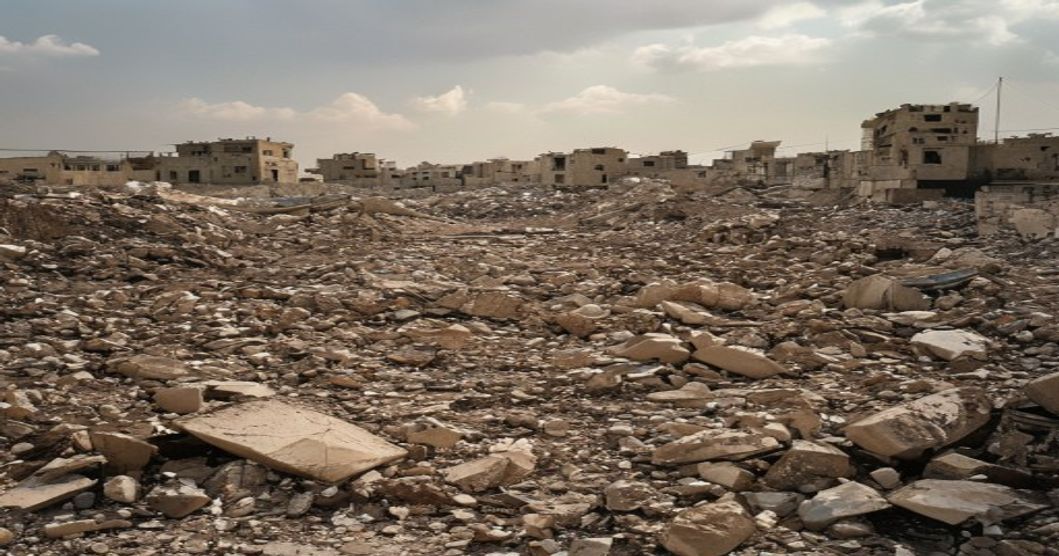
An Eid marked by tragedy in Gaza
The Eid al-Adha holiday, which should represent a period of reflection and peace, has unfolded under the roar of bombardment. Over the past week, the conflict in the Gaza Strip has offered no respite, leaving dozens dead in a series of attacks that have once again brought the critical humanitarian situation in the Palestinian enclave into the spotlight.
The intensification of military operations, accompanied by the territorial expansion of Israeli forces within Gaza, has sparked a new wave of global backlash. The paralysis of mediation efforts remains the common denominator of this crisis, a subject we analyze in depth in our article on the crisis of diplomacy: Is this the end of the Gaza peace process?.
The weight of allegations and diplomacy in question
Beyond the physical violence, the geopolitical landscape has become increasingly complex following the emergence of detailed reports on systematic sexual abuse committed in the context of the occupation. These revelations have not only outraged the international community but have also accelerated Israel's isolation in multilateral forums.
Key points of diplomatic deterioration:
- Human rights allegations: Reports of abuse have moved beyond political rhetoric, forcing traditional allies to question their unconditional support.
- Territorial expansion: The seizure of control over new areas in Gaza suggests that the objective of the war is not merely tactical, but aimed at a permanent change in the geographical configuration of the territory.
- Failure of mediation: The inability of international powers to enforce a ceasefire demonstrates an unprecedented erosion of diplomatic influence in the Middle East.
"The current isolation is not just diplomatic; it is a reflection of the loss of legitimacy in managing a conflict that has exceeded all boundaries of international law," note regional analysts.
Conclusion
The current situation is a grim reminder of how diplomacy has consistently failed to protect the civilian population. As the international community watches helplessly, the combination of an unrelenting military offensive and the deterioration of Israel’s global reputation raises troubling questions about the future of stability in the region. Without decisive intervention that prioritizes human life over military strategy, the spiral of violence seems destined to continue without a clear horizon for resolution.
Sources:
- Al Jazeera. (2026). Palestine weekly wrap: No respite for Eid as Israel kills dozens in Gaza.
Related articles
27 de septiembre de 2026
Geopolitics at the pub: Ireland boycotts matches against Israel
Irish pubs are refusing to broadcast Nations League matches against Israel, turning sport into a new diplomatic battlefield.
20 de septiembre de 2026
The Pardon of Elor Azaria: A Turning Point in War and Diplomacy
The recent pardon of soldier Elor Azaria has reopened the debate surrounding military justice and the diplomatic repercussions of the Middle East conflict.
12 de septiembre de 2026
Diplomacy in the BRICS: Iran and the UAE seek de-escalation following conflict
The President of Iran and the Crown Prince of Abu Dhabi meet at the BRICS summit, marking a diplomatic milestone amidst regional instability.
4 de septiembre de 2026
Resistance in the West Bank: The Impact of Conflict in Khirbet al-Tabban
Following the mass demolition of 12 homes in Khirbet al-Tabban, residents have reaffirmed their determination to rebuild their lives on the land of their ancestors.
Loading comments...