Geopolitics at the pub: Ireland boycotts matches against Israel
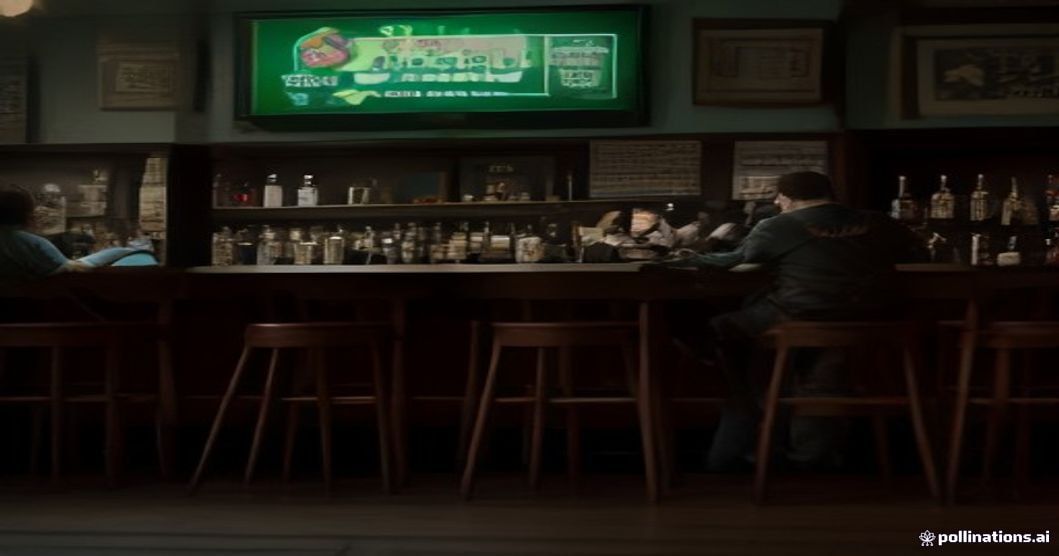
Irish pubs are refusing to broadcast Nations League matches against Israel, turning sport into a new diplomatic battlefield.
Sport as a stage for war and diplomacy
Football, often considered a universal language, has ceased to be mere entertainment and has become a thermometer for social tension in Europe. Recently, a wave of establishments in Ireland has decided to boycott the broadcast of the upcoming Nations League matches between their national team and Israel. This decision is not merely about sports; it is an act of political protest regarding the humanitarian crisis in Gaza.
A social stance that transcends institutions
The movement, led by various pub owners across the country, reflects a public sentiment that distances itself from the official stance of many European governments. While traditional diplomacy seeks to balance international relations, Irish civil society has opted for the boycott as a tool for direct pressure.
"Sport cannot be isolated from the ethical reality of the world today," note the boycott organizers, who see this refusal as a way to raise awareness of the conflict in the Gaza Strip.
The impact of tensions on the global stage
This phenomenon does not occur in a vacuum. Recent history shows us how sporting events are often used as political megaphones. As analyzed in El indulto a Elor Azaria: un punto de inflexión en la guerra y diplomacia, individual and collective actions surrounding Israel tend to generate immediate polarization. In this case, the Irish boycott joins a growing list of tensions that force sports authorities, such as UEFA, to rethink the security and viability of certain matches in a highly volatile environment.
- Economic pressure: The boycott seeks to reduce the event's visibility.
- Social cohesion: It represents the solidarity of a portion of the Irish population with the Palestinian people.
- Institutional challenge: It tests the ability of federations to manage events in the midst of an open war.
Conclusion
The decision by Irish pubs sets a dangerous precedent for sporting normalcy, yet it is inevitable in the current context. When official diplomacy seems stalled, citizens use public spaces to express their rejection, transforming a television screen into a symbol of resistance. Football, far from being a refuge of peace, has once again become a raw reflection of the geopolitical fractures of our time.
Related articles
20 de septiembre de 2026
The Pardon of Elor Azaria: A Turning Point in War and Diplomacy
The recent pardon of soldier Elor Azaria has reopened the debate surrounding military justice and the diplomatic repercussions of the Middle East conflict.
12 de septiembre de 2026
Diplomacy in the BRICS: Iran and the UAE seek de-escalation following conflict
The President of Iran and the Crown Prince of Abu Dhabi meet at the BRICS summit, marking a diplomatic milestone amidst regional instability.
4 de septiembre de 2026
Resistance in the West Bank: The Impact of Conflict in Khirbet al-Tabban
Following the mass demolition of 12 homes in Khirbet al-Tabban, residents have reaffirmed their determination to rebuild their lives on the land of their ancestors.
28 de agosto de 2026
New Blockades in the West Bank: Growing Tension and Conflict in Qusra
The installation of three new metal gates in Qusra intensifies the siege on Palestinian homes, further complicating stability in the West Bank.
Loading comments...