The humanitarian crisis and the conflict: A doctor's testimony in Gaza
A Palestinian doctor reports abuse following his detention, highlighting the fragility of human rights amidst the current military escalation.
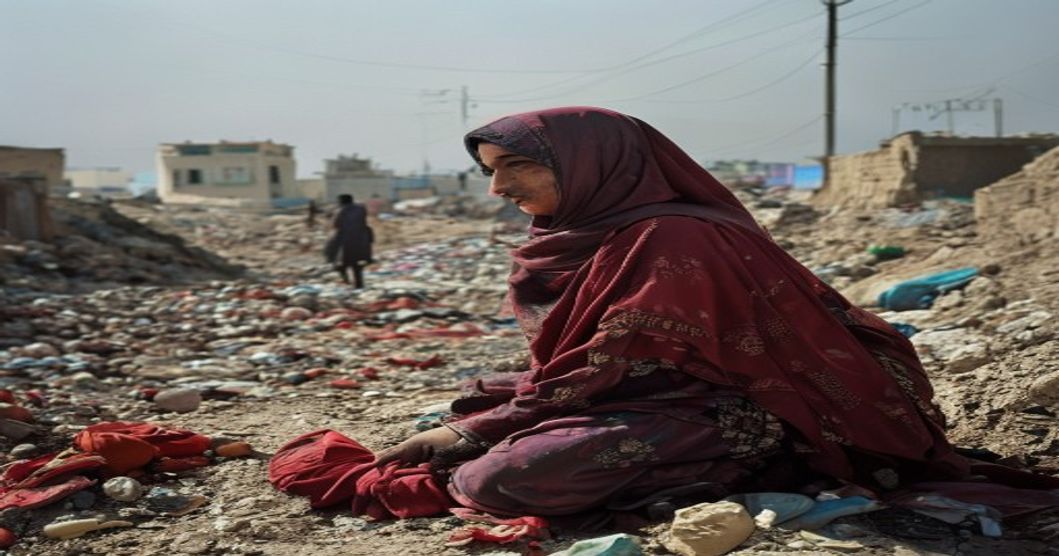
The impact of war on the integrity of healthcare professionals
The current situation in Gaza has ceased to be merely a tactical battlefield, becoming instead a profound crisis regarding the protection of fundamental rights. Recently, the testimony of a Palestinian doctor, who claimed to have been taken to an Israeli prison under extreme conditions and with the conviction that his life was in danger, has once again raised international alarms. Statements such as "they brought me here to kill me" underscore the extreme vulnerability of those who, in theory, should be protected by international law under their status as medical personnel.
This case is a direct reflection of the deteriorating situation in the region, where the war has blurred the lines separating combatants from civilians and medical staff. You can read more on this topic in our analysis on Human rights in war: UN demands release of Palestinian doctor.
Challenges for diplomacy in a hostile environment
The detention of essential workers raises serious questions about compliance with International Humanitarian Law. International diplomacy is currently at a stalemate; humanitarian organizations are demanding access to detention centers to verify the condition of prisoners, but access is systematically denied under the guise of national security.
The role of international organizations
Faced with the persistent conflict, the international community faces the following critical challenges:
- Protection of medical personnel: Ensuring that hospitals and clinics remain safe zones.
- Access to detainees: Demanding transparency regarding the treatment of Palestinian citizens in detention centers.
- Effective mediation: Seeking a ceasefire that allows for the release of hostages and detainees held without trial.
"Healthcare personnel are the last line of defense against humanitarian catastrophe; their criminalization is a direct blow to global ethics."
Conclusion: An open wound in geopolitics
This doctor's narrative is just one among thousands that often remain hidden beneath the noise of bombings and political maneuvering. As world powers debate the future of the region, human suffering continues to escalate. Resolving these tensions depends not only on the ability of States to negotiate, but on a genuine willingness to restore human dignity in one of the most devastated territories of the 21st century.
Related articles
27 de septiembre de 2026
Geopolitics at the pub: Ireland boycotts matches against Israel
Irish pubs are refusing to broadcast Nations League matches against Israel, turning sport into a new diplomatic battlefield.
20 de septiembre de 2026
The Pardon of Elor Azaria: A Turning Point in War and Diplomacy
The recent pardon of soldier Elor Azaria has reopened the debate surrounding military justice and the diplomatic repercussions of the Middle East conflict.
12 de septiembre de 2026
Diplomacy in the BRICS: Iran and the UAE seek de-escalation following conflict
The President of Iran and the Crown Prince of Abu Dhabi meet at the BRICS summit, marking a diplomatic milestone amidst regional instability.
4 de septiembre de 2026
Resistance in the West Bank: The Impact of Conflict in Khirbet al-Tabban
Following the mass demolition of 12 homes in Khirbet al-Tabban, residents have reaffirmed their determination to rebuild their lives on the land of their ancestors.
Loading comments...