The Escalation of the War in Gaza: A Constant Challenge to Diplomacy
The humanitarian crisis in Gaza is worsening following the deaths of civilians, testing international efforts to achieve a lasting truce.
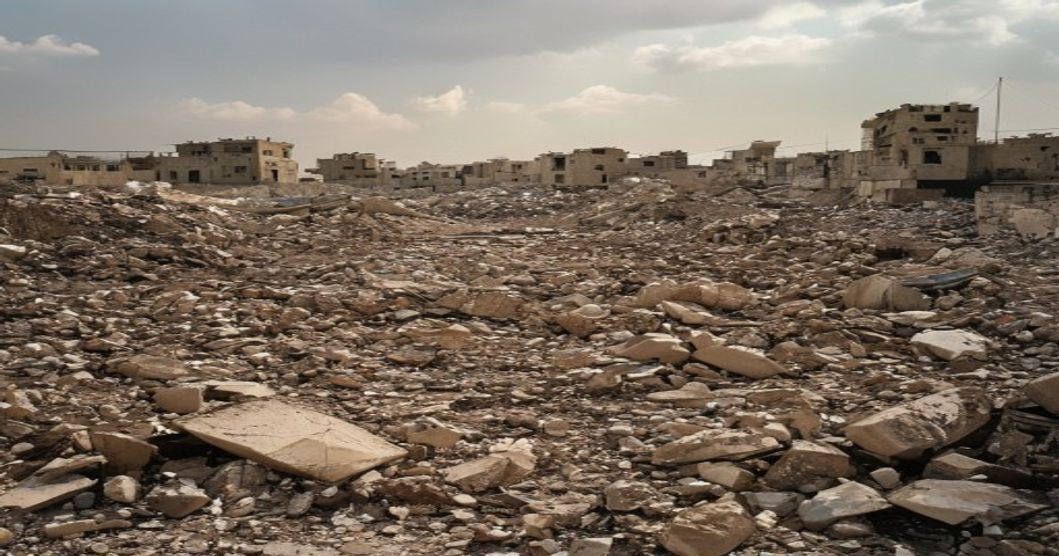
The Humanitarian Impact of the War in Gaza
The cycle of violence in the Gaza Strip shows no signs of abating. In the last 48 hours, Israeli forces have intensified their operations, leaving at least seven Palestinians dead. The situation has become even more critical following the discovery of nine additional bodies under the rubble, according to reports from the local Ministry of Health. These events underscore the brutality of a war that, far from finding a resolution, continues to claim civilian lives and destroy essential infrastructure.
The Paralysis of International Diplomacy
The current conflict has exposed the limitations of global diplomacy in mediating in the region. While world powers attempt to negotiate a ceasefire, the facts on the ground continue to define a reality marked by trauma and loss. This scenario of instability is not unique to the Middle East; history teaches us that when dialogue mechanisms fail, the human consequences are devastating. It is a reminder similar to other cases where individual rights are crushed by state interests, as analyzed in the article on the silenced voice that challenged Beijing's diplomacy.
"Each body recovered from under the rubble represents a collective failure to protect basic human rights in the midst of armed hostility."
Future Perspectives and Challenges
To understand the magnitude of the crisis, it is necessary to look at recent data:
- 7 confirmed victims from direct actions in the last 48 hours.
- 9 bodies recovered from the ruins of collapsed buildings.
- A health crisis that is intensifying due to the lack of basic medical supplies.
The persistence of hostilities demonstrates that current efforts have been insufficient to stop the bloodshed. The international community faces the challenge of pushing for a political solution that prioritizes life over military strategy. Without a change in the statu quo, the region will remain trapped in a cycle of violence where the civilian population is the primary victim.
In conclusion, the landscape in Gaza demands an urgent reevaluation of mediation strategies. Diplomacy cannot be limited to rhetorical statements while the reality on the ground continues to deteriorate day after day.
Related articles
27 de septiembre de 2026
Geopolitics at the pub: Ireland boycotts matches against Israel
Irish pubs are refusing to broadcast Nations League matches against Israel, turning sport into a new diplomatic battlefield.
20 de septiembre de 2026
The Pardon of Elor Azaria: A Turning Point in War and Diplomacy
The recent pardon of soldier Elor Azaria has reopened the debate surrounding military justice and the diplomatic repercussions of the Middle East conflict.
12 de septiembre de 2026
Diplomacy in the BRICS: Iran and the UAE seek de-escalation following conflict
The President of Iran and the Crown Prince of Abu Dhabi meet at the BRICS summit, marking a diplomatic milestone amidst regional instability.
4 de septiembre de 2026
Resistance in the West Bank: The Impact of Conflict in Khirbet al-Tabban
Following the mass demolition of 12 homes in Khirbet al-Tabban, residents have reaffirmed their determination to rebuild their lives on the land of their ancestors.
Loading comments...