The Escalation of the Conflict in Gaza and the Deterioration of Regional Diplomacy
The death of a doctor in Gaza and settler attacks in the West Bank are worsening the humanitarian crisis and straining diplomatic efforts in the Middle East.
A Never-Ending Humanitarian Crisis
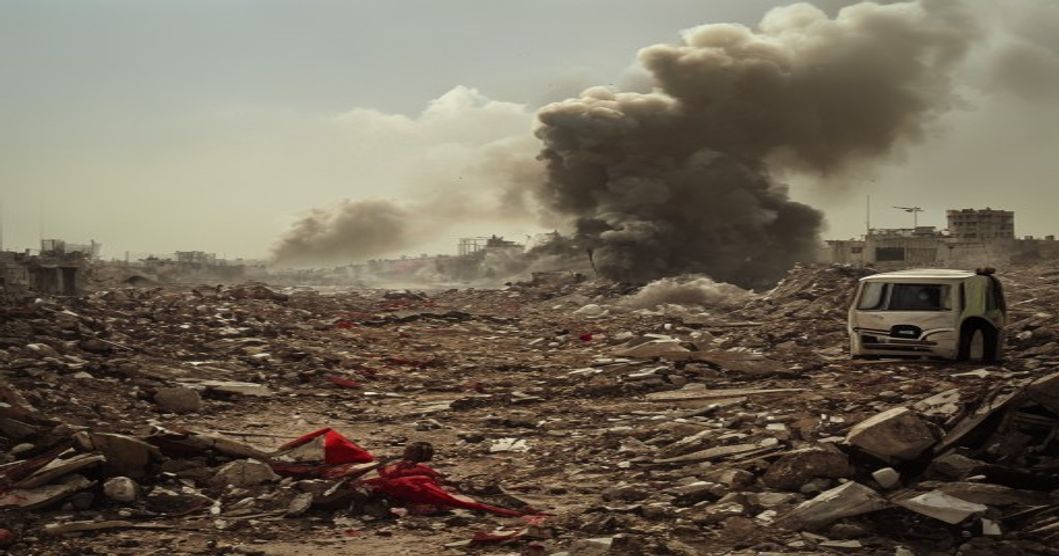
The conflict in the Middle East has seen a new episode of devastating violence. Recently, a Palestinian doctor lost his life and three others were injured following an attack in the Gaza Strip. This event adds to a troubling series of aggressions perpetrated by Israeli settlers against homes and properties throughout the occupied West Bank, intensifying instability in the region.
The current situation reflects a pattern of violence that seems to have no end. As the international community watches with concern, efforts to reach an effective truce are clashing with a reality on the ground marked by constant hostility and a lack of safeguards for the civilian population.
The Regional Impact of War and Political Paralysis
The war is not limited solely to Gaza; its repercussions are spreading dangerously across neighboring borders. As we have analyzed in our coverage on Escalada en el Líbano: el impacto de la guerra en el sur del país, the domino effect of these tensions threatens to destabilize global security.
"Uncontrolled violence in the West Bank and Gaza erodes any possibility of short-term dialogue, leaving the population in a state of extreme vulnerability."
Diplomacy Hits a Wall
Diplomacy is going through one of its most critical moments. International organizations and mediators are facing a scenario where mutual distrust prevents any significant progress. The recent tension with multilateral bodies, described in the article Diplomacy in Crisis: Israel Rejects Inclusion on UN Blacklist, underscores the fracture between peace-building entities and the parties involved in the confrontation.
Key points of the current landscape include:
- Increased violence by settler groups in the West Bank.
- Direct impact on medical personnel and civilian infrastructure in Gaza.
- Deterioration of communication channels between regional actors and international mediators.
Conclusion
The killing of the doctor and the harassment of Palestinian communities are indicators of a crisis that requires urgent intervention. Without a shift in political strategy and a genuine will to cease hostilities, the cycle of violence will continue to claim civilian lives and move the possibility of a lasting solution in the region further out of reach.
Related articles
27 de septiembre de 2026
Geopolitics at the pub: Ireland boycotts matches against Israel
Irish pubs are refusing to broadcast Nations League matches against Israel, turning sport into a new diplomatic battlefield.
20 de septiembre de 2026
The Pardon of Elor Azaria: A Turning Point in War and Diplomacy
The recent pardon of soldier Elor Azaria has reopened the debate surrounding military justice and the diplomatic repercussions of the Middle East conflict.
12 de septiembre de 2026
Diplomacy in the BRICS: Iran and the UAE seek de-escalation following conflict
The President of Iran and the Crown Prince of Abu Dhabi meet at the BRICS summit, marking a diplomatic milestone amidst regional instability.
4 de septiembre de 2026
Resistance in the West Bank: The Impact of Conflict in Khirbet al-Tabban
Following the mass demolition of 12 homes in Khirbet al-Tabban, residents have reaffirmed their determination to rebuild their lives on the land of their ancestors.
Loading comments...