Tensions at Al-Aqsa: The geopolitical impact of conflict and diplomacy
Minister Ben-Gvir's incursion into Al-Aqsa heightens regional instability as Israeli elections approach.
The challenge to stability in the heart of Jerusalem
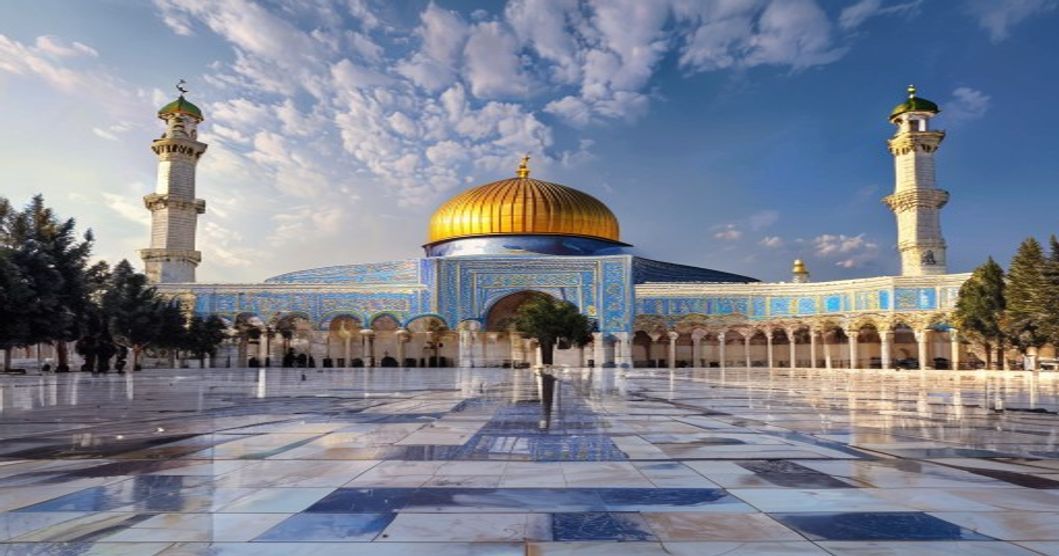
The recent incursion by far-right Israeli minister Itamar Ben-Gvir into the Al-Aqsa Mosque compound has sparked a new wave of indignation and concern on the international stage. This act, described by various sectors as a deliberate provocation, comes at a critical moment: the eve of an electoral process that could reshape the region's political landscape. The visit not only alters the statu quo of the holy site but also tests the fragile stability of the Middle East.
The impact on regional security and the shadow of war
The repercussions of this event transcend local borders. In a context where war and polarization appear to drive the agenda, actions of this nature complicate mediation efforts. Tension at the Esplanade often acts as a trigger that resonates on other fronts, where nations like Iran are already showing signs of internal hardening against external actors, as we analyzed in our report on the shadow of war: Iran intensifies its crackdown on infiltrators.
"Symbolic actions in highly sensitive religious sites have the power to mobilize the masses and destabilize diplomatic agreements that have taken years to build," security experts note.
Challenges for diplomacy in a volatile environment
Diplomacy is facing a crossroads. While some regional actors attempt to seek a negotiated way out to curb the escalation, gestures like Ben-Gvir's hinder any significant progress. The key points of this crisis include:
- Electoral instability: The use of nationalist rhetoric seeks to consolidate electoral bases, but at the cost of collective security.
- Risk of escalation: The possibility that the conflict could spread to other territories, complicating initiatives such as the one Lebanon is pursuing to reach a definitive peace.
- Challenge to international law: The violation of historical agreements regarding access to holy sites weakens confidence in dialogue channels.
Conclusion: A precarious balance
The immediate future will depend on the restraint that political leaders can exercise in the face of electoral pressure. Recent history shows that any spark at Al-Aqsa can escalate rapidly, forcing the international community to redouble efforts to avoid a major conflict. Stability depends not only on political rhetoric but also on the responsibility of state actors to preserve peace in a region already facing too many structural challenges.
Related articles
27 de septiembre de 2026
Geopolitics at the pub: Ireland boycotts matches against Israel
Irish pubs are refusing to broadcast Nations League matches against Israel, turning sport into a new diplomatic battlefield.
20 de septiembre de 2026
The Pardon of Elor Azaria: A Turning Point in War and Diplomacy
The recent pardon of soldier Elor Azaria has reopened the debate surrounding military justice and the diplomatic repercussions of the Middle East conflict.
12 de septiembre de 2026
Diplomacy in the BRICS: Iran and the UAE seek de-escalation following conflict
The President of Iran and the Crown Prince of Abu Dhabi meet at the BRICS summit, marking a diplomatic milestone amidst regional instability.
4 de septiembre de 2026
Resistance in the West Bank: The Impact of Conflict in Khirbet al-Tabban
Following the mass demolition of 12 homes in Khirbet al-Tabban, residents have reaffirmed their determination to rebuild their lives on the land of their ancestors.
Loading comments...