Sebastia and Diplomacy: Heritage Amidst War
The potential inclusion of Sebastia on the UNESCO list tests sovereignty and territorial control in the context of rising tensions in the West Bank.
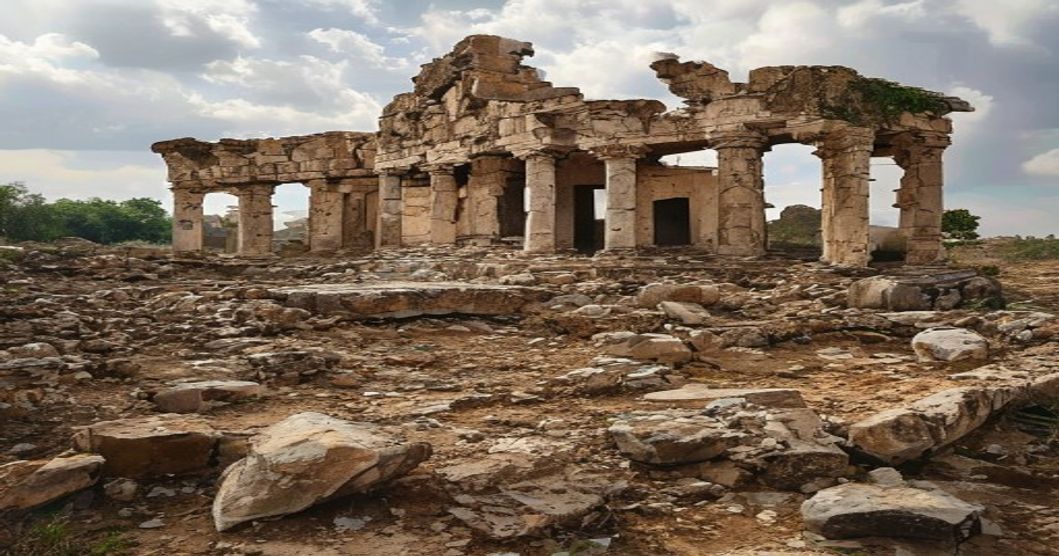
The Value of Sebastia in the Face of Territorial Expansion
The archaeological site of Sebastia, with a history spanning over 3,000 years, has become the new epicenter of a dispute that transcends culture. Located in the occupied West Bank, this enclave is an invaluable testament to diverse civilizations, from the Iron Age to the Ottoman period. However, its future hangs in the balance due to Israeli plans to expand nearby settlements, which threatens to fragment the site and alter its historical integrity.
The intention to register Sebastia on the UNESCO World Heritage list is not merely a quest for cultural protection; it is a strategic move on the complex board of regional geopolitics. As the international community watches, the risk that infrastructure construction and settlement expansion will destroy critical archaeological layers is imminent.
The Role of Diplomacy in the Face of Conflict
International diplomacy faces a monumental challenge. While UNESCO possesses protection mechanisms, their ability to curb the de facto policies of the Israeli government in the West Bank is limited. This scenario is reminiscent of other flashpoints where sovereignty has been called into question, as analyzed in La escalada del conflicto en Siria: Israel desafía la diplomacia regional, where strategic interests often prevail over international legal frameworks.
"Heritage is not just stone and earth; it is the identity of a people being eroded by the reality of constant occupation," note experts in international law.
Challenges to Preservation
The current situation can be summarized in the following key points:
- Political Pressure: The expansion of settlements seeks to consolidate control over strategic areas, often ignoring heritage protection regulations.
- Limits of UNESCO: The organization has the authority to declare the site a World Heritage site in danger, but it lacks the coercive power to enforce measures on the ground.
- Social Impact: The local population sees the potential designation as a form of cultural resistance against war and systematic displacement.
Conclusion
The case of Sebastia serves as a reminder that, amidst a prolonged conflict, culture is one of the first victims. The international community stands at a crossroads: will global recognition be able to protect a historical site, or will this simply be another episode in the erosion of Palestinian sovereignty? The answer will define not only the future of these ruins but also the effectiveness of global institutions in protecting the common history of humanity.
Related articles
27 de septiembre de 2026
Geopolitics at the pub: Ireland boycotts matches against Israel
Irish pubs are refusing to broadcast Nations League matches against Israel, turning sport into a new diplomatic battlefield.
20 de septiembre de 2026
The Pardon of Elor Azaria: A Turning Point in War and Diplomacy
The recent pardon of soldier Elor Azaria has reopened the debate surrounding military justice and the diplomatic repercussions of the Middle East conflict.
12 de septiembre de 2026
Diplomacy in the BRICS: Iran and the UAE seek de-escalation following conflict
The President of Iran and the Crown Prince of Abu Dhabi meet at the BRICS summit, marking a diplomatic milestone amidst regional instability.
4 de septiembre de 2026
Resistance in the West Bank: The Impact of Conflict in Khirbet al-Tabban
Following the mass demolition of 12 homes in Khirbet al-Tabban, residents have reaffirmed their determination to rebuild their lives on the land of their ancestors.
Loading comments...