Lebanon seeks a definitive end to the war: A new turn in diplomacy
The Lebanese president expresses to Donald Trump his desire to permanently end hostilities with Israel.
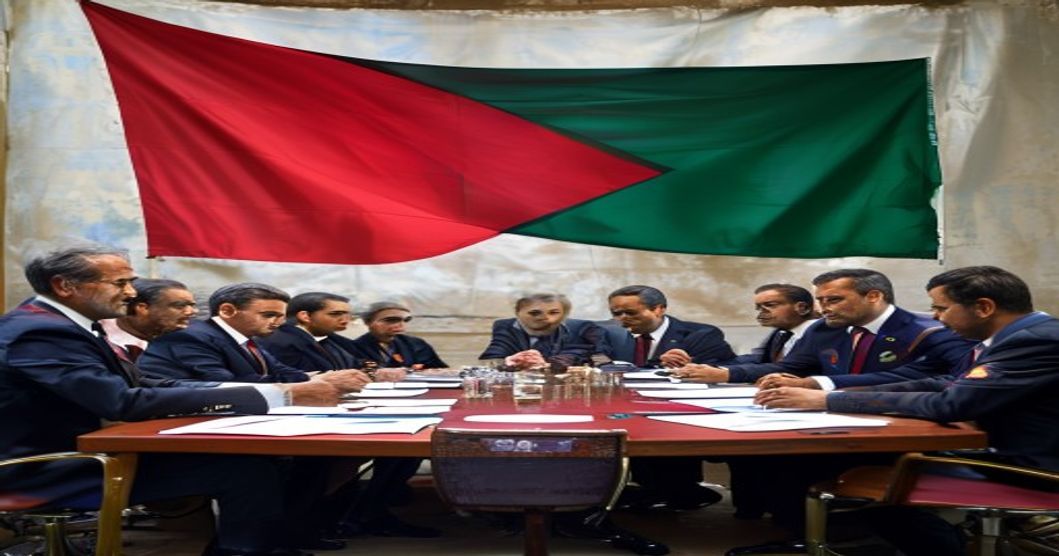
A horizon of peace for Lebanon
In a move that could reshape the Middle East's regional landscape, the President of Lebanon has conveyed a forceful message to the Donald Trump administration: his nation's supreme objective is to permanently end the war and hostilities with Israel. This declaration marks a turning point in the Lebanese stance, which has historically been trapped in an uninterrupted cycle of violence.
Regional instability is not an isolated phenomenon. As we have observed in previous reports, such as La guerra en Gaza continúa: 14 heridos tras nuevo ataque aéreo, the humanitarian and military crisis is a constant reminder that any attempt at resolution requires firm political will and a long-term vision.
The role of diplomacy in the conflict
Diplomacy is now presented as the only viable path to de-escalate a conflict that has drained the resources and security of both nations for decades. The Lebanese president's statement underscores several key points for this potential peace process:
- Sovereign stability: Lebanon seeks to consolidate its independence from external actors who have instrumentalized its territory.
- Border security: The need to establish control mechanisms to prevent future military escalations.
- International mediation: The role of the United States will be decisive in mediating the conditions for a lasting ceasefire.
Challenges to a lasting peace
"The ultimate goal is to end hostilities with Israel forever," the leader stated, implicitly acknowledging that the current status quo is unsustainable for the country's economic and social development.
However, the path to peace is fraught with obstacles. The influence of non-state actors and the accumulated tensions at the border remain a latent threat. Lebanon's ability to translate this political desire into tangible agreements will depend on its skill in navigating the complex geopolitical alliances that define the region.
Conclusion
Although skepticism is a natural response to peace promises in such a volatile zone, the fact that Lebanon is positioning the end of the war as its absolute priority opens a small window of opportunity. The success of this initiative will depend on whether international powers are willing to support a real de-escalation process that prioritizes stability over immediate strategic interests.
Related articles
27 de septiembre de 2026
Geopolitics at the pub: Ireland boycotts matches against Israel
Irish pubs are refusing to broadcast Nations League matches against Israel, turning sport into a new diplomatic battlefield.
20 de septiembre de 2026
The Pardon of Elor Azaria: A Turning Point in War and Diplomacy
The recent pardon of soldier Elor Azaria has reopened the debate surrounding military justice and the diplomatic repercussions of the Middle East conflict.
12 de septiembre de 2026
Diplomacy in the BRICS: Iran and the UAE seek de-escalation following conflict
The President of Iran and the Crown Prince of Abu Dhabi meet at the BRICS summit, marking a diplomatic milestone amidst regional instability.
4 de septiembre de 2026
Resistance in the West Bank: The Impact of Conflict in Khirbet al-Tabban
Following the mass demolition of 12 homes in Khirbet al-Tabban, residents have reaffirmed their determination to rebuild their lives on the land of their ancestors.
Loading comments...