Iran Restores Production at South Pars Following Regional War
Iran has successfully reactivated part of its gas infrastructure at South Pars following recent attacks, at a critical moment for global energy stability.
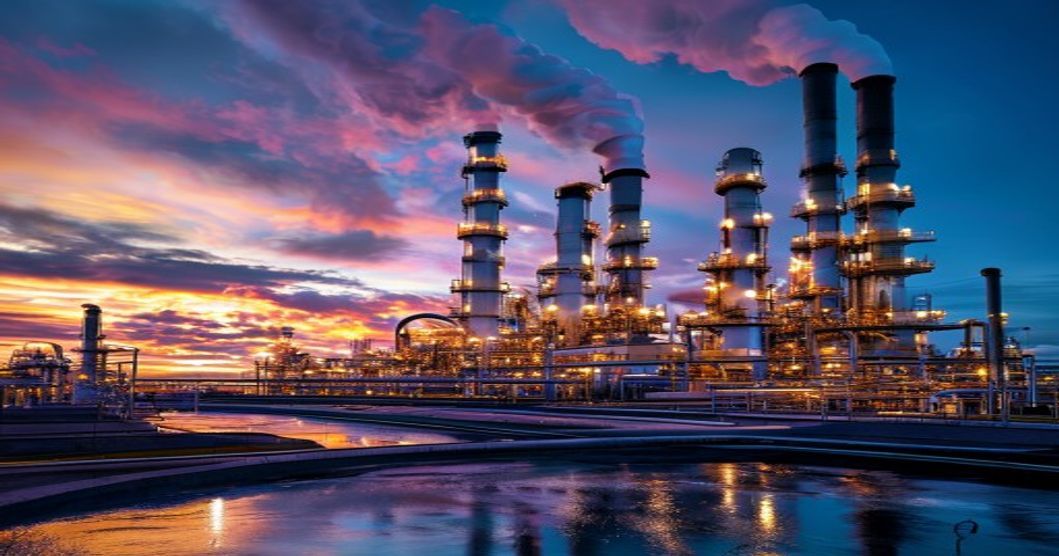
The resilience of Iran's energy infrastructure
The Pars Oil and Gas Company has recently confirmed the resumption of operations at three key offshore platforms in the South Pars complex. This strategic move follows the damage sustained by critical facilities as a result of recent attacks attributed to Israel, marking a turning point for the country's energy infrastructure amidst a climate of persistent war.
The CEO of the state-owned company emphasized that restoring production is a national priority to ensure domestic supply and protect revenue derived from hydrocarbon exports, despite external military pressure.
Geopolitics and the impact on regional diplomacy
The situation in the Persian Gulf is a clear reminder of how critical infrastructure has become a tactical asset in this low-intensity conflict that threatens to escalate into open confrontation. Iran's ability to repair its facilities in record time is not only a message of technical resilience but also a political signal to its adversaries.
"Energy stability is the cornerstone of economic survival in the face of sanctions and military pressure," sector analysts note.
This incident adds to a chain of events that further complicate the landscape in the Middle East, where the escalation of the conflict in Gaza and the deterioration of regional diplomacy have left little room for maneuver for international mediators. Diplomacy appears to have taken a back seat, subordinated to the military responses that define day-to-day life in the region.
Challenges for global supply
- Energy security: The vulnerability of gas fields in the Gulf remains a concern for global markets.
- Operational capacity: The speed of the repairs indicates prior logistical preparation for potential attacks on critical infrastructure.
- Future outlook: The containment of the conflict will depend on whether the parties decide to escalate toward larger oil and gas facilities or if current tactical limits are maintained.
In conclusion, as the world watches with caution, Iran's ability to sustain its gas production under fire underscores the complexity of a geopolitical chessboard where economy and defense are intrinsically linked. Long-term stability remains an unknown while diplomatic solutions are conspicuously absent.
Sources:
Related articles
27 de septiembre de 2026
Geopolitics at the pub: Ireland boycotts matches against Israel
Irish pubs are refusing to broadcast Nations League matches against Israel, turning sport into a new diplomatic battlefield.
20 de septiembre de 2026
The Pardon of Elor Azaria: A Turning Point in War and Diplomacy
The recent pardon of soldier Elor Azaria has reopened the debate surrounding military justice and the diplomatic repercussions of the Middle East conflict.
12 de septiembre de 2026
Diplomacy in the BRICS: Iran and the UAE seek de-escalation following conflict
The President of Iran and the Crown Prince of Abu Dhabi meet at the BRICS summit, marking a diplomatic milestone amidst regional instability.
4 de septiembre de 2026
Resistance in the West Bank: The Impact of Conflict in Khirbet al-Tabban
Following the mass demolition of 12 homes in Khirbet al-Tabban, residents have reaffirmed their determination to rebuild their lives on the land of their ancestors.
Loading comments...