Escalation of the Conflict in Syria: Israel Challenges Regional Diplomacy
Israel launches a military incursion into Syria as the UN condemns the violation of sovereignty and demands urgent solutions to stabilize the region.
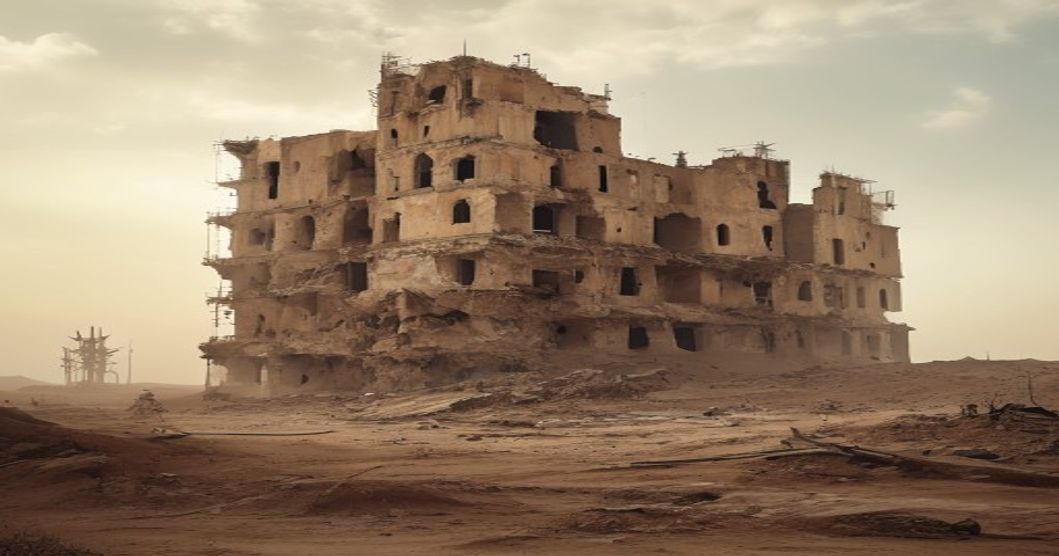
The New Phase of the Conflict in the Middle East
The recent military incursion by Israel into Syrian territory has marked a turning point in the tense geopolitics of the Middle East. This move, which international observers have described as a dangerous expansion of hostilities, highlights the fragility of borders in a region marked by decades of war and mutual distrust.
The intervention has not only triggered a military response on the ground but has also reignited debates regarding the effectiveness of international institutions in curbing cross-border aggression. As we explore in our analysis on Diplomacy in crisis: Syria demands Israeli withdrawal before the UN, diplomatic stagnation remains the greatest obstacle to a peaceful resolution.
The UN's Stance on Syrian Sovereignty
During a recent visit to the area, United Nations Secretary-General António Guterres issued a sharp condemnation of the incursion. Guterres emphasized that any violation of a member state's sovereignty is unacceptable and contravenes international law.
"Territorial integrity must be respected. Unilateral actions only serve to deepen instability at a time when the region desperately needs a path toward peace," Guterres noted during his address.
The Call for Lifting Sanctions
In addition to condemning the incursion, the Secretary-General made an unusual call for a reevaluation of the sanctions regime imposed on Syria. The central argument is that the current suffocating economic environment, exacerbated by the conflict, is preventing the civilian population from accessing basic humanitarian aid, which could lead to a crisis of even greater proportions.
Future Perspectives
The current situation raises critical questions about the role of diplomacy in a scenario where state actors prioritize tactical security over multilateral agreements. Key points of the current situation include:
- Violation of sovereignty: The incursion has been documented as a direct raid that defies international norms.
- Humanitarian crisis: The combination of sanctions and military operations is further fracturing civilian infrastructure.
- Challenge to the UN: The inability to stop these actions casts doubt on the relevance of mediating bodies.
In conclusion, the Israeli incursion into Syria is not an isolated event, but a symptom of a regional security system that is crumbling. Without a real commitment from all involved parties to return to the negotiating table, the risk of large-scale conflagration remains a latent threat to global stability.
Related articles
27 de septiembre de 2026
Geopolitics at the pub: Ireland boycotts matches against Israel
Irish pubs are refusing to broadcast Nations League matches against Israel, turning sport into a new diplomatic battlefield.
20 de septiembre de 2026
The Pardon of Elor Azaria: A Turning Point in War and Diplomacy
The recent pardon of soldier Elor Azaria has reopened the debate surrounding military justice and the diplomatic repercussions of the Middle East conflict.
12 de septiembre de 2026
Diplomacy in the BRICS: Iran and the UAE seek de-escalation following conflict
The President of Iran and the Crown Prince of Abu Dhabi meet at the BRICS summit, marking a diplomatic milestone amidst regional instability.
4 de septiembre de 2026
Resistance in the West Bank: The Impact of Conflict in Khirbet al-Tabban
Following the mass demolition of 12 homes in Khirbet al-Tabban, residents have reaffirmed their determination to rebuild their lives on the land of their ancestors.
Loading comments...