Escalation of Conflict: Attack in Gaza Undermines Peace Efforts
A recent airstrike in northern Gaza has left eight dead, further complicating the fragile geopolitical situation in the region.
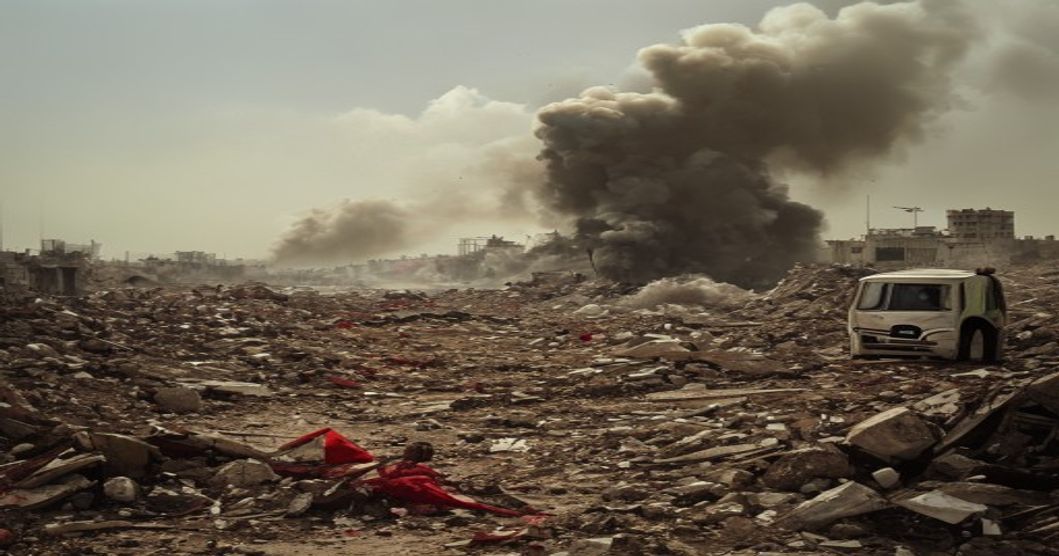
The fragility of regional stability
The recent Israeli airstrike on a police station in northern Gaza has marked a new turning point in the war devastating the region. The attack, described by the Gaza Interior Ministry as a "horrific massacre," resulted in the deaths of eight people, including the station chief, several police officers, and at least one civilian. This event not only represents a devastating loss of life but also casts doubt on the viability of any short-term ceasefire.
Impact on international diplomacy
The deterioration of security in Gaza raises questions about the role of the international community. Historically, diplomacy has attempted to mediate these cycles of violence, but direct incidents against local government infrastructure—even if of a police nature—often fracture any progress in negotiations. As we analyzed in our article on the Guerra en Irán: ¿Éxito estratégico estadounidense o fracaso de la diplomacia?, the lack of effective communication channels often leads to uncontrolled military escalation.
Consequences of the attack
The effects of this bombing can be summarized in three critical points:
- Radicalization of discourse: The loss of local security personnel weakens the administrative structure, which is often exploited by extremist factions.
- Diplomatic deadlock: Trust between the parties involved is reduced to minimum levels, hindering the work of external mediators.
- Humanitarian crisis: The destruction of basic services and control centers increases the vulnerability of the civilian population in the northern part of the Strip.
"The attack on the police station is a reminder that, in the midst of this conflict, the line between military and civilian targets becomes dangerously blurred, complicating any peaceful resolution."
Conclusion
The current situation is a reflection of a conflict that seems to have no immediate diplomatic exit. As long as military operations continue to prioritize the destruction of operational infrastructure, the possibilities for constructive dialogue fade. The international community faces the challenge of reevaluating its strategies to prevent the region from falling into an even greater spiral of violence.
Related articles
27 de septiembre de 2026
Geopolitics at the pub: Ireland boycotts matches against Israel
Irish pubs are refusing to broadcast Nations League matches against Israel, turning sport into a new diplomatic battlefield.
20 de septiembre de 2026
The Pardon of Elor Azaria: A Turning Point in War and Diplomacy
The recent pardon of soldier Elor Azaria has reopened the debate surrounding military justice and the diplomatic repercussions of the Middle East conflict.
12 de septiembre de 2026
Diplomacy in the BRICS: Iran and the UAE seek de-escalation following conflict
The President of Iran and the Crown Prince of Abu Dhabi meet at the BRICS summit, marking a diplomatic milestone amidst regional instability.
4 de septiembre de 2026
Resistance in the West Bank: The Impact of Conflict in Khirbet al-Tabban
Following the mass demolition of 12 homes in Khirbet al-Tabban, residents have reaffirmed their determination to rebuild their lives on the land of their ancestors.
Loading comments...