Escalation in Lebanon: War persists following new attacks
Four people died in Yohmor al-Shaqif following Israeli strikes, highlighting the fragility of stability on the Lebanese border.
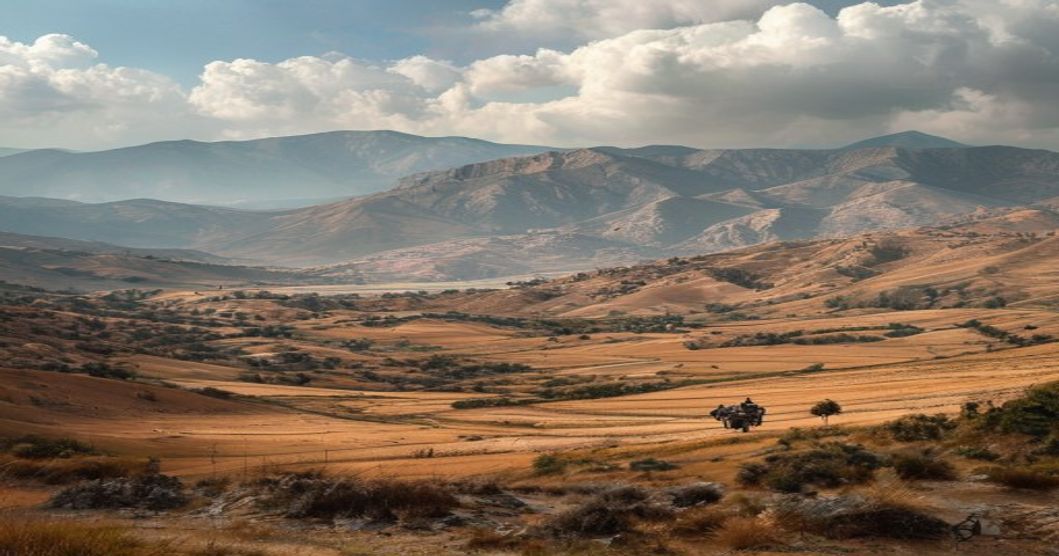
The escalation of the conflict in southern Lebanon
The situation on the border between Israel and Lebanon has seen a new episode of violence that highlights the volatility of the region. According to state media reports, a series of airstrikes targeting a truck and a motorcycle in the town of Yohmor al-Shaqif resulted in the deaths of four people. This event adds to a growing list of incidents that complicate international efforts to contain the expansion of the war.
The human impact and the regional crisis
Beyond the immediate figures, each military incursion deepens the humanitarian crisis affecting civilian populations in conflict zones. As we analyzed in our report on the humanitarian cost of war: 30 million will fall into poverty, prolonged instability not only destroys critical infrastructure but also erodes the socioeconomic fabric necessary for future reconstruction.
"The violence in the Yohmor al-Shaqif area underscores the difficulty of maintaining safe zones in an environment where targeted strikes have become part of routine military operations."
Challenges for international diplomacy
The effectiveness of diplomacy is constantly challenged by incidents of this nature, which often occur during moments of high tactical tension. The international community watches with concern as red lines become blurred, hindering the progress of any solid peace process. The persistence of these attacks raises urgent questions regarding:
- The viability of current ceasefire proposals.
- The risk of a large-scale regional escalation.
- The protection of civilians in military operation areas.
It is essential to remember that, as we explored in The fragility of peace: The assassination of Amal Khalil in the midst of the conflict, every life lost is a reminder of the urgency to find effective channels for dialogue before the situation becomes irreversible.
Conclusion
The attack in Yohmor al-Shaqif is not an isolated event, but a symptom of a deeply rooted conflict that demands a coordinated political response. As long as military actions continue to dictate the pace of events, the prospects for a diplomatic resolution remain distant, leaving civilians in a state of extreme vulnerability.
Related articles
27 de septiembre de 2026
Geopolitics at the pub: Ireland boycotts matches against Israel
Irish pubs are refusing to broadcast Nations League matches against Israel, turning sport into a new diplomatic battlefield.
20 de septiembre de 2026
The Pardon of Elor Azaria: A Turning Point in War and Diplomacy
The recent pardon of soldier Elor Azaria has reopened the debate surrounding military justice and the diplomatic repercussions of the Middle East conflict.
12 de septiembre de 2026
Diplomacy in the BRICS: Iran and the UAE seek de-escalation following conflict
The President of Iran and the Crown Prince of Abu Dhabi meet at the BRICS summit, marking a diplomatic milestone amidst regional instability.
4 de septiembre de 2026
Resistance in the West Bank: The Impact of Conflict in Khirbet al-Tabban
Following the mass demolition of 12 homes in Khirbet al-Tabban, residents have reaffirmed their determination to rebuild their lives on the land of their ancestors.
Loading comments...