Escalation in Beirut: Israel Intensifies War Against Hezbollah
A recent airstrike in the Beirut suburbs marks a new turning point in the regional conflict, raising diplomatic tensions in the Middle East.
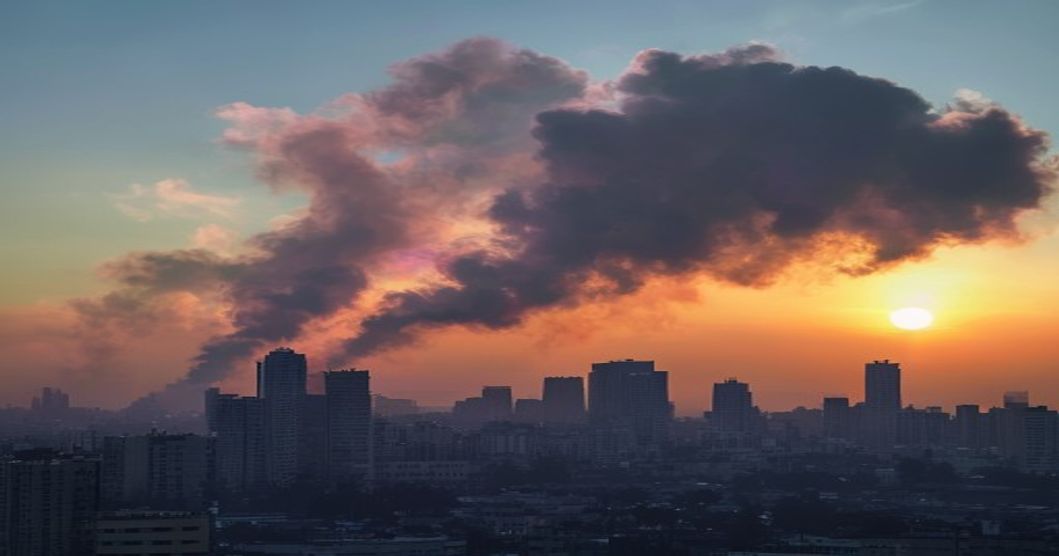
The Expansion of the Conflict in Lebanon
The situation in the Middle East has suffered another blow to stability following a recent airstrike carried out by Israel on the southern suburbs of Beirut. The stated objective of the operation was a high-ranking commander of Hezbollah's elite force, the Radwan unit. This event is not an isolated incident, but rather a significant escalation in the war being waged on the borders of northern Israel and southern Lebanon, fueling fears of a wider regional conflagration.
The Impact on Regional Security
The choice of Beirut as a theater of military operations underscores the determination of Israeli forces to dismantle Hezbollah's operational capabilities. However, such incursions into densely populated areas place immense pressure on local communities and complicate any attempts at de-escalation. Meanwhile, international attention is also shifting toward other global hotspots, including the recent Palestine Action activists convicted in the UK over conflict, who have highlighted how military supplies fuel these tensions.
"The use of targeted strikes in dense urban areas raises the risk of a disproportionate response that could drag additional regional actors onto the battlefield," intelligence analysts note.
Is There Room for Diplomacy?
In this context, diplomacy is under extreme stress. Traditional lines of communication between the actors involved appear to be fractured, leaving little room for a short-term negotiated solution. The prevailing question in international forums is whether mediating powers will be able to contain military ambition before the situation becomes irreversible.
- Instability: The lack of a clear ceasefire perpetuates the cycle of violence.
- Risk: The possibility of new fronts opening is a scenario that concerns Western powers.
- Challenge: The need for neutral mediation is more urgent than ever to avoid a major humanitarian crisis.
The situation remains volatile, and the coming hours will be critical in determining whether this attack will trigger a massive response from the Lebanese militia or if, conversely, it will remain within the limits of the current confrontation. The global community is watching with caution, aware that the current geopolitical fragility allows for no miscalculations.
Related articles
27 de septiembre de 2026
Geopolitics at the pub: Ireland boycotts matches against Israel
Irish pubs are refusing to broadcast Nations League matches against Israel, turning sport into a new diplomatic battlefield.
20 de septiembre de 2026
The Pardon of Elor Azaria: A Turning Point in War and Diplomacy
The recent pardon of soldier Elor Azaria has reopened the debate surrounding military justice and the diplomatic repercussions of the Middle East conflict.
12 de septiembre de 2026
Diplomacy in the BRICS: Iran and the UAE seek de-escalation following conflict
The President of Iran and the Crown Prince of Abu Dhabi meet at the BRICS summit, marking a diplomatic milestone amidst regional instability.
4 de septiembre de 2026
Resistance in the West Bank: The Impact of Conflict in Khirbet al-Tabban
Following the mass demolition of 12 homes in Khirbet al-Tabban, residents have reaffirmed their determination to rebuild their lives on the land of their ancestors.
Loading comments...