Diplomatic Tensions: Ukraine and Israel Face Off Over Stolen Grain
Ukraine points the finger at Israel for the alleged receipt of grain stolen from occupied territories, as diplomatic efforts seek to clarify the origin of the goods involved in the conflict.
Grain: A Strategic Asset in War
The persistent conflict in Eastern Europe has transcended military borders to become a complex web of trade and logistical disputes. Recently, the Ukrainian government has raised tensions by accusing Israel of receiving shipments of grain allegedly stolen by Russian forces from occupied territories. This incident highlights how agricultural resources have become a key piece of contemporary geopolitics.
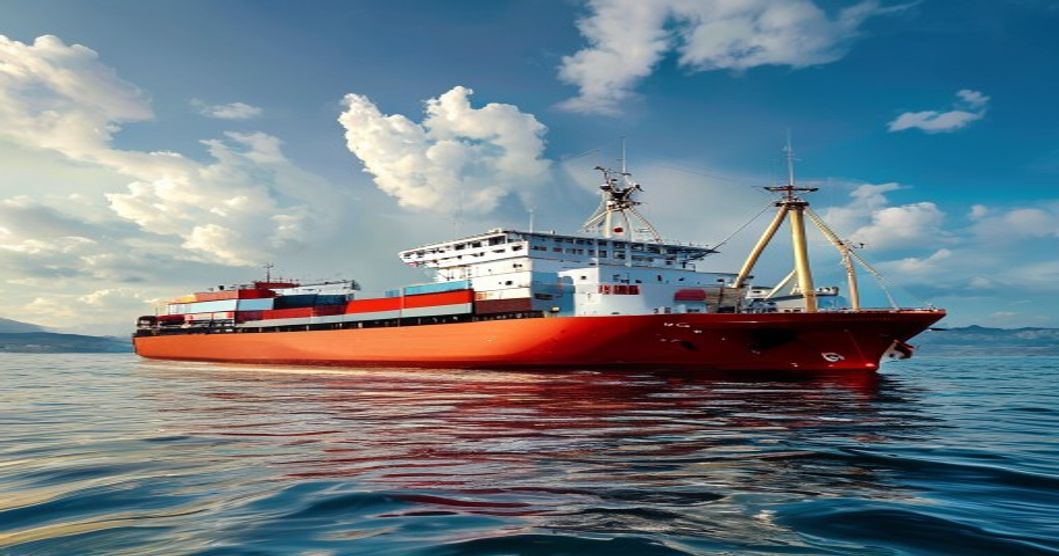
The accusation suggests that vessels loaded with Ukrainian products are arriving at Israeli ports, which has drawn an immediate response from authorities in Tel Aviv. This episode underscores the importance of the balance of power in the region, a topic we analyzed in depth in our article on the Bennett-Lapid alliance: A new turn in Israeli geopolitics?.
Israel's Stance on the Accusations
For its part, Israel's Ministry of Foreign Affairs has been emphatic in denying any knowledge of or involvement in the trafficking of illicit goods. Israeli authorities have stated that, to date, there is no evidence to support the claim that a vessel carrying stolen grain has docked at the port of Haifa.
"We have not received any proof confirming that goods stolen from Ukraine have entered our territory," diplomatic sources noted.
Challenges for International Diplomacy
The situation highlights the fragility of global supply chains in times of war. The difficulty of verifying the exact origin of maritime shipments represents a significant challenge for international diplomacy, which must mediate between Ukrainian sovereignty claims and standard commercial operations.
The key points of the diplomatic conflict include:
- Origin Verification: The need for more robust traceability systems to prevent products from disputed areas from reaching international markets.
- Bilateral Relations: The risk that these types of frictions could affect cooperation between Ukraine and Israel in other areas.
- Media Pressure: The speed at which accusations of this nature can escalate without prior technical investigation.
Conclusion
While the investigation into the shipments continues, this case serves as a reminder of how war alters the norms of global trade. Transparency at ports and cooperation between nations will be essential to prevent the commodity trade from becoming an additional source of political destabilization. The international community must remain attentive to the next steps taken by both nations to resolve this misunderstanding without compromising regional stability.
Sources:
Related articles
27 de septiembre de 2026
Geopolitics at the pub: Ireland boycotts matches against Israel
Irish pubs are refusing to broadcast Nations League matches against Israel, turning sport into a new diplomatic battlefield.
20 de septiembre de 2026
The Pardon of Elor Azaria: A Turning Point in War and Diplomacy
The recent pardon of soldier Elor Azaria has reopened the debate surrounding military justice and the diplomatic repercussions of the Middle East conflict.
12 de septiembre de 2026
Diplomacy in the BRICS: Iran and the UAE seek de-escalation following conflict
The President of Iran and the Crown Prince of Abu Dhabi meet at the BRICS summit, marking a diplomatic milestone amidst regional instability.
4 de septiembre de 2026
Resistance in the West Bank: The Impact of Conflict in Khirbet al-Tabban
Following the mass demolition of 12 homes in Khirbet al-Tabban, residents have reaffirmed their determination to rebuild their lives on the land of their ancestors.
Loading comments...