Diplomacy Under Tension: Nepal Protests to India Over Border Dispute
Nepal has filed a formal complaint against India following the reopening of a pilgrimage route in a Himalayan pass disputed by both nations.
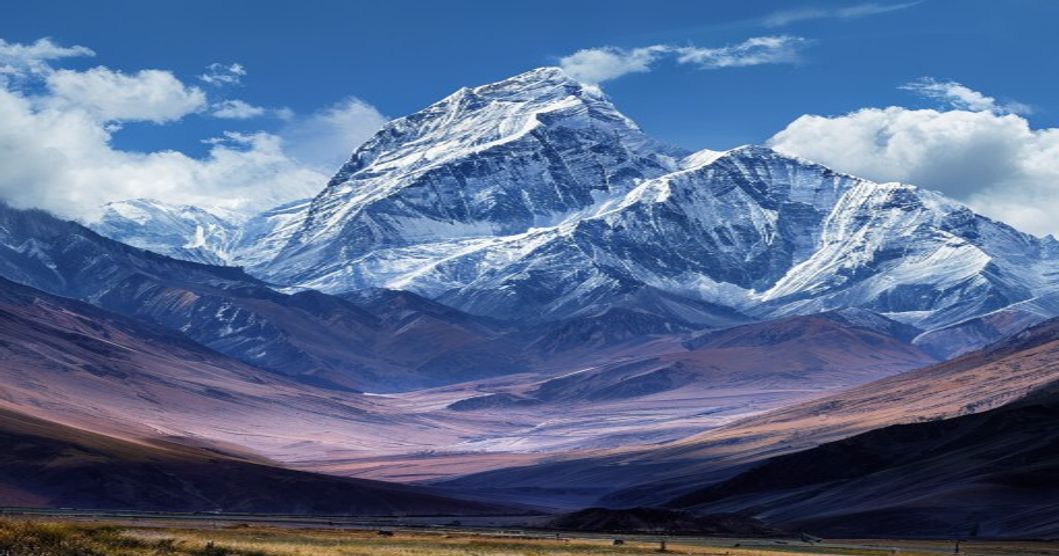
An Old Conflict on the Roof of the World
Stability in the Himalayan region is being put to the test once again. Recently, the government of Nepal filed a formal protest with Indian authorities, marking a new chapter in a long-standing territorial dispute that has strained bilateral relations for years. The trigger was a recent agreement between India and China to reactivate a religious pilgrimage route that crosses a high-mountain pass, the sovereignty of which remains a point of friction.
This incident highlights how geographical disputes, even those driven by spiritual traditions, can escalate rapidly on the stage of international diplomacy. While the world focuses on other flashpoints, as analyzed in The Fragile Truce in Gaza: The Return of War and the Political Crossroads, national sovereignty remains the central axis of contemporary crises.
The Implications of Sovereignty in the Himalayas
The Weight of Geography in Politics
The disputed region is a strategic enclave where the interests of three Asian powers converge. For Nepal, any unilateral movement by its neighbors on territories it considers its own is viewed as a violation of its national integrity. Key points of Nepali discontent include:
- The lack of prior consultation regarding the use of routes in areas of mutual claims.
- The fear that the presence of pilgrims and associated infrastructure will consolidate a de facto Indian occupation.
- The delicate balancing act Nepal must maintain against the influence of its two massive neighbors.
"Borders, in this context, are not just lines on a map, but symbols of national identity that governments are unwilling to yield," regional analysts point out.
Toward a Necessary Resolution
Although the risk of open war seems remote, the persistence of these diplomatic frictions erodes trust between New Delhi and Kathmandu. Recent history has shown that frozen conflicts can thaw in the face of any change to the statu quo. The international community watches with caution, hoping that dialogue will prevail over the nationalist rhetoric that often complicates the search for lasting solutions in the region.
In conclusion, the current situation demands prudent management. The resolution of territorial disputes in the 21st century requires an approach that transcends administrative control and focuses on mutual respect for sovereignty, preventing border frictions from becoming insurmountable obstacles to regional cooperation.
Related articles
27 de septiembre de 2026
Geopolitics at the pub: Ireland boycotts matches against Israel
Irish pubs are refusing to broadcast Nations League matches against Israel, turning sport into a new diplomatic battlefield.
20 de septiembre de 2026
The Pardon of Elor Azaria: A Turning Point in War and Diplomacy
The recent pardon of soldier Elor Azaria has reopened the debate surrounding military justice and the diplomatic repercussions of the Middle East conflict.
12 de septiembre de 2026
Diplomacy in the BRICS: Iran and the UAE seek de-escalation following conflict
The President of Iran and the Crown Prince of Abu Dhabi meet at the BRICS summit, marking a diplomatic milestone amidst regional instability.
4 de septiembre de 2026
Resistance in the West Bank: The Impact of Conflict in Khirbet al-Tabban
Following the mass demolition of 12 homes in Khirbet al-Tabban, residents have reaffirmed their determination to rebuild their lives on the land of their ancestors.
Loading comments...