Somaliland and the new diplomatic landscape following Israel's endorsement
Somaliland celebrates its independence under a new geopolitical scenario marked by Israel's recognition and the pursuit of international legitimacy.
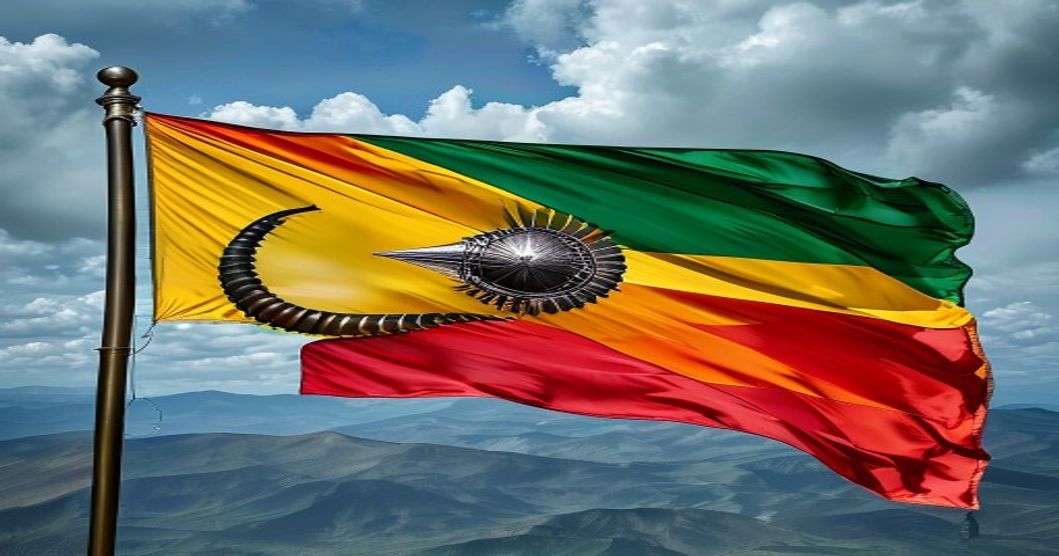
A historic milestone in the Horn of Africa
Somaliland has celebrated its Independence Day in an atmosphere charged with symbolism. For the first time, this self-proclaimed independent region commemorates its sovereignty after having obtained official recognition from Israel. This move is not only a diplomatic victory for Hargeisa, but a tectonic shift in the political configuration of one of the world's most strategic and volatile regions.
Despite functioning as an autonomous entity with its own institutions, currency, and security forces since 1991, Somaliland's status has always been marked by uncertainty. The recent rapprochement with Israel adds a layer of complexity to the diplomacy on a tightrope: Is the U.S. still a reliable ally? that currently defines relations in the region.
Geopolitics and the search for stability
The government of Somaliland has insisted that its internal stability and geographic location—dominating access to the Bab el-Mandeb Strait—make them an indispensable partner. However, the road to full international legitimacy remains an uphill battle.
"Our stability is not an accident; it is the result of a commitment to peace in a region marked by conflict," official sources declared during the commemorative events.
The challenge before the international community
Most nations still resist formalizing ties with Somaliland, fearing that doing so could exacerbate the war of narratives with Somalia, which claims the region as part of its territory. Hargeisa's strategy focuses on three pillars:
- Leveraging the strategic importance of its port in Berbera to attract foreign investment.
- Consolidating bilateral alliances with states that, like Israel, seek counterweights in the Red Sea.
- Demonstrating democratic resilience in the face of neighboring authoritarian models.
Conclusion
Israeli recognition acts as a catalyst, but also as a double-edged sword. While Somaliland celebrates this breakthrough, the world watches as this small state attempts to navigate the turbulent waters of global geopolitics. The question remains whether other international actors will follow this precedent or if Somaliland will continue to be an isolated piece in the complex puzzle of the Horn of Africa.
Related articles
27 de septiembre de 2026
Geopolitics at the pub: Ireland boycotts matches against Israel
Irish pubs are refusing to broadcast Nations League matches against Israel, turning sport into a new diplomatic battlefield.
20 de septiembre de 2026
The Pardon of Elor Azaria: A Turning Point in War and Diplomacy
The recent pardon of soldier Elor Azaria has reopened the debate surrounding military justice and the diplomatic repercussions of the Middle East conflict.
12 de septiembre de 2026
Diplomacy in the BRICS: Iran and the UAE seek de-escalation following conflict
The President of Iran and the Crown Prince of Abu Dhabi meet at the BRICS summit, marking a diplomatic milestone amidst regional instability.
4 de septiembre de 2026
Resistance in the West Bank: The Impact of Conflict in Khirbet al-Tabban
Following the mass demolition of 12 homes in Khirbet al-Tabban, residents have reaffirmed their determination to rebuild their lives on the land of their ancestors.
Loading comments...