The Rebirth of Technology: ESP32, Open Source, and the Charm of the Unfinished
ESP32 devices and open source projects are reviving interest in 'unfinished' technology and tangible physical interaction.
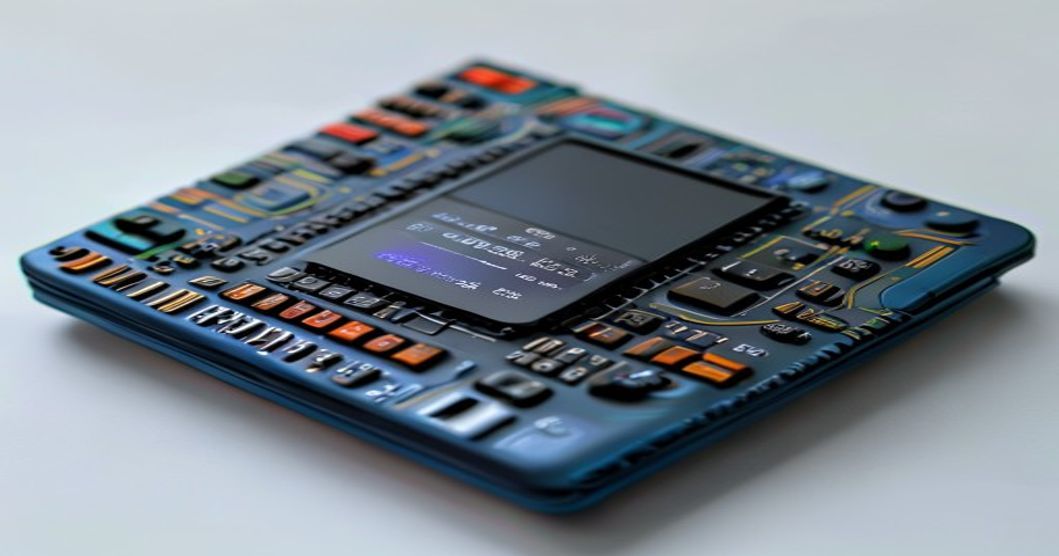
The Rebirth of Technology: ESP32, Open Source and the Charm of the Unfinished
At a flea market, among vintage radios and console controllers, a small handheld computer with a warped casing and an embedded Blackberry keyboard caught my eye. Its screen displayed an IRC client, and the seller apologized for the firmware, admitting that the Wi-Fi sometimes failed if Bluetooth was enabled. This scene, far from being isolated, reflects a growing trend: the return to unfinished technology, small-scale systems, and devices that lay their innards bare.
The New Wave of "Unfinished" Devices
We are witnessing a phenomenon where Cardputer clones, CYD boards, homemade VGA terminals, and ESP32 communication systems assembled from salvaged components are gaining popularity. These gadgets move away from the behavior of the modern consumer, who seeks perfection and technological invisibility. In contrast, these devices force the user to be aware of every detail: the spacing between keys, the lag, battery behavior, rudimentary menus, and even the possibility that a simple operation could cause a total crash.
What was once considered a defect now generates a deeper connection with the machine.
This forced interaction fosters awareness of the limits of memory, power consumption, screen constraints, and file systems. Computing ceases to be invisible magic and becomes a tangible physical process. A clear example is the use of ESP32 terminals in hackerspaces, where the inherent limitation of the device discourages compulsive multitasking and promotes intentionality.
The Case of the M5Stack Cardputer and CYD Boards
The M5Stack Cardputer, initially acquired as a curiosity, has evolved into a serious tool for many. Despite its toy-like appearance, users have built complete workflows around its limitations, from wardriving tools to IRC clients and portable debugging consoles. Cheap Yellow Display (CYD) boards have also mutated from budget modules into portable cyberdecks, GPS trackers, and retro terminal systems, demonstrating the power of the open source community to reimagine accessible hardware.
Physical imperfections in these devices, such as crooked USB cutouts or visible sanding marks, become documentation of the human creative process, unlike modern consumer electronics that erase any trace of contact.
The Resurgence of the Physical Keyboard and Homemade Operating Systems
Nostalgia for physical keyboards, exemplified by the recovery of Blackberry components, underscores the emotional importance of the interface. Programming and manual engineering, with soldering irons and GitHub repositories, are reconstructing the tactile sensation of data entry. These homemade builds, sometimes dangerous but always captivating, demonstrate a longing for the physical interaction that touchscreens have flattened.
In parallel, homemade PDA operating systems are proliferating, developed by individuals or small communities. These rudimentary environments, with primitive multitasking and basic file managers, generate genuine enthusiasm. They resemble conversations in a late-night workshop more than commercial software development, recalling the golden age of experimentation in open source and shareware systems.
Rediscovering the Personal Connection to Computing
For a generation that grew up on closed systems optimized for engagement metrics, touching an ESP32 device with unstable firmware written by a lone developer can be revelatory. Computing feels personal again, not necessarily efficient. The inherent complexity of modern smartphones creates an emotional distance; in contrast, ESP32 devices are understandable, allowing one to mentally model the system and learn from its failures. This friction generates awareness and attachment.
This pattern extends to other areas: mechanical keyboards, amateur radio, analog photography. People are looking for systems that expose their process, not hide it. Fatigue from dependency, subscriptions, and accounts drives the search for devices that feel like one's own possessions, not portals to corporate infrastructure. The accidental aesthetic of these projects, a mixture of forgotten educational hardware and internet subcultures, evokes a sense of human belonging.
A battery warning message like "need power juice plz ;-;" has more personality than multibillion-dollar software ecosystems.
The unfinished nature of these systems invites participation and modification. Despite their technical limitations, small ESP32 computers restore key elements of computing: discovery, the ability to modify, to break, and to feel the physical resistance of the machine. In the process, we rediscover a way of interacting with technology that feels less like consuming a service and more like participating in a process.
Related articles
30 de septiembre de 2026
Direct API vs. SDK: Security in Password Recovery
Optimize password recovery in fintech: Direct API or SDK. We analyze pros, cons, and the best programming strategy.
23 de septiembre de 2026
How to deploy Typebot: The open-source chatbot builder
Learn how to deploy your own instance of Typebot, the open-source tool for creating conversational forms with full data control.
16 de septiembre de 2026
CetinLM: The Revolution in Programming and Efficient AI
CetinLM challenges the myth that AI requires multi-million dollar infrastructure, proving that precision engineering outperforms brute force.
9 de septiembre de 2026
Mastering Microsoft Entra: An Essential Guide to the SC-900 Certification
Learn the pillars of cloud identity, from access management to Conditional Access, which are key to passing the SC-900 certification.
Loading comments...