Repatriation of Spanish passengers from the MV Hondius: A logistical challenge
The successful landing of the 14 Spanish passengers from the MV Hondius in Madrid marks a milestone in a coordinated repatriation effort, even as the vessel continues its journey.
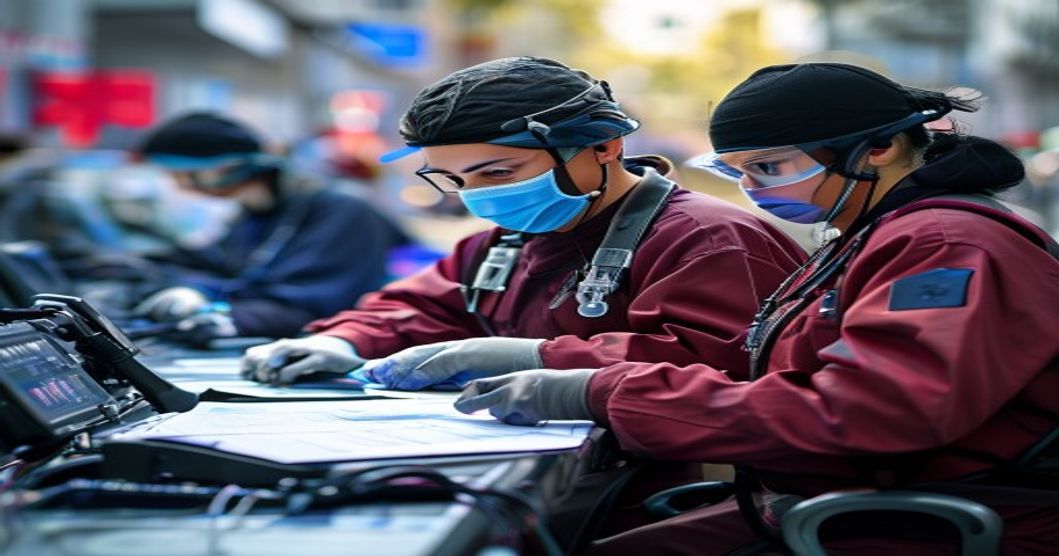
Successful Evacuation of the MV Hondius: A Model of Health Coordination
The complex repatriation operation for the passengers of the MV Hondius, affected by a hantavirus outbreak, has concluded with the arrival of 14 Spanish citizens at the Torrejón de Ardoz air base in Madrid. Following a scheduled landing at 2:00 PM (Canary Islands time) at Tenerife South Airport, those affected were immediately transferred to the Gómez Ulla Central Defense Hospital. There, they will undergo the established quarantine and be tested via PCR for the presence of the virus.
This repatriation represents an unprecedented logistical and health effort, coordinated between the Ministry of Defense, the Ministry of Health, and the Canary Islands health authorities. The designed protocol ensures that the Spanish passengers remain in a closed-circuit isolation ward, guaranteeing their safety and that of the medical staff specifically assigned to their care. PCR tests will be performed upon admission and again after seven days, following the guidelines of the Public Health Commission.
International Repatriations and Next Steps
The day of repatriation has been intense, with simultaneous transfers to various countries. Following the arrival of the Spanish citizens, the evacuation of six Canadian citizens to their home country was carried out. The transfer of passengers to the United States is expected to be completed throughout the day, and the evacuation of Australian passengers is expected on Monday afternoon, once the plane chartered by their nation is ready.
Currently, 81 people are still awaiting transfer, and the evacuation continues from Tenerife South Airport. Minister of Health Mónica García, accompanied by Minister of Territorial Policy Ángel Víctor Torres and WHO Director-General Tedros Adhanom, highlighted the normality and safety with which the operation is being conducted. Any rumors regarding the refueling of the vessel in Santa Cruz de Tenerife were denied, confirming it will take place at the Granadilla port dock.
Inter-regional Cooperation and Solidarity
Minister Ángel Víctor Torres has maintained contact with the presidents of the affected autonomous communities to inform them about the repatriation protocol. This inter-regional collaboration underscores the importance of unity and cooperation in health crisis situations. The solidarity of the Canary Islanders, by allowing the vessel to arrive in the archipelago following WHO guidelines, has been a key element in resolving this complex situation. Managing crises like this, while focused on health, reminds us of the importance of having solid structures in place—both in the health sector and in resource planning—similar to the challenges we face in managing housing and rentals in our cities, where coordination and foresight are essential.
Related articles
1 de octubre de 2026
The Rental Map: How Housing Has Become an Unaffordable Luxury
Rental prices in Spain have risen by 43% in a decade, far outstripping wage growth and pushing millions of families to the breaking point.
24 de septiembre de 2026
Maricarmen's Eviction: The Stark Reality of Spain's Housing Crisis
The case of Maricarmen highlights the urgency of Spain's housing crisis, characterized by evictions and unaffordable rents.
17 de septiembre de 2026
AI in the classroom: Between bans and innovation amidst the housing crisis
The global educational debate on AI reflects a divide between prohibition and integration, set against a social backdrop marked by housing instability.
10 de septiembre de 2026
Mental Health and Housing: The State Suicide Registry as a Key Measure
The Ministry of Health is preparing a state registry to systematize suicide data and improve prevention policies across the country.
Loading comments...