Education facing the technological challenge: Beyond housing and the economy
The education system faces the challenge of preparing citizens for a volatile environment, where training is the only solid ground in the face of global uncertainty.
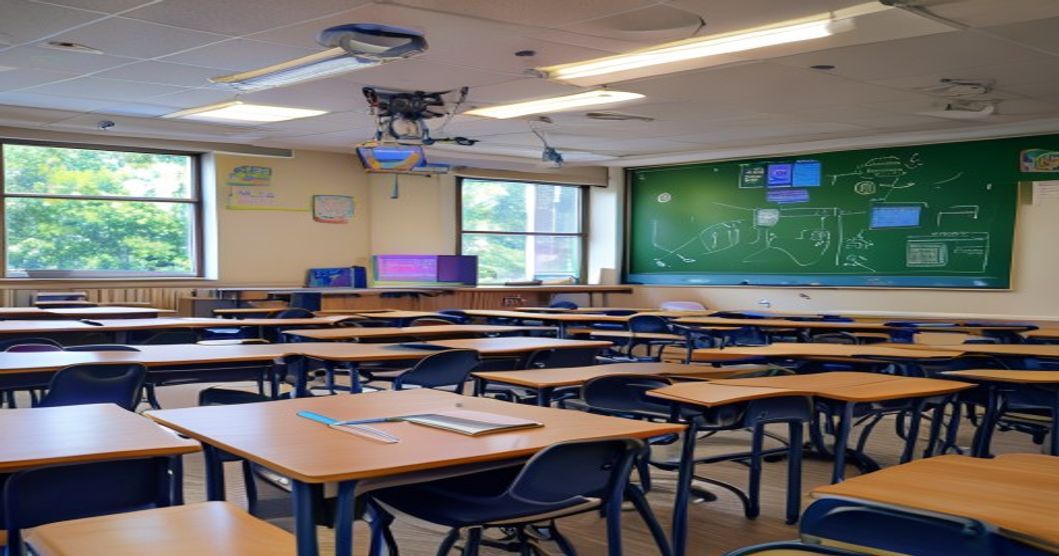
Education as a foundation in an uncertain world
Historically, schools have been the engine of social mobility, but today they find themselves at a crossroads. They do not have the power to dictate the course of the global economy, nor to stop climate change or guarantee world peace. However, their role is more critical than ever: they must provide a robust educational foundation that allows new generations to navigate the complexity of the 21st century.
The impact of crises on daily life
The stability of a society depends not only on its school curriculum but also on basic material conditions. When young people see that access to housing is becoming unattainable, whether due to rising rent costs or the burden of a long-term mortgage, the social contract weakens. This phenomenon is similar to structural crises that affect housing security, as analyzed in La tragedia en La Guaira: el impacto devastador del sismo en la vivienda.
The race against technological obsolescence
Artificial intelligence and automation are transforming the labor market at a dizzying pace. To remain relevant, education systems must evolve from rote memorization toward critical thinking and cognitive adaptability.
"The best contribution of education today is not to try to predict the future, but to ensure that every individual possesses the necessary skills to reinvent themselves in a changing environment."
Priorities for comprehensive training
To bridge the gap between the classroom and reality, it is necessary to focus on three fundamental pillars:
- Deep digital literacy: Understanding the logic behind algorithms rather than just being users of tools.
- Emotional resilience: The ability to manage frustration in a highly competitive job market.
- Systems thinking: Understanding how socioeconomic variables, such as the cost of living, interact with professional development.
Conclusion
Education alone cannot solve the world's problems, but it is the foundation upon which any solution is built. If we ensure that young people have a solid base, they will be able to face the challenges of the economy and technology with greater discernment. Social stability, which begins with the right to decent housing, must go hand in hand with quality training that leaves no one behind in this constant race against obsolescence.
Related articles
1 de octubre de 2026
The Rental Map: How Housing Has Become an Unaffordable Luxury
Rental prices in Spain have risen by 43% in a decade, far outstripping wage growth and pushing millions of families to the breaking point.
24 de septiembre de 2026
Maricarmen's Eviction: The Stark Reality of Spain's Housing Crisis
The case of Maricarmen highlights the urgency of Spain's housing crisis, characterized by evictions and unaffordable rents.
17 de septiembre de 2026
AI in the classroom: Between bans and innovation amidst the housing crisis
The global educational debate on AI reflects a divide between prohibition and integration, set against a social backdrop marked by housing instability.
10 de septiembre de 2026
Mental Health and Housing: The State Suicide Registry as a Key Measure
The Ministry of Health is preparing a state registry to systematize suicide data and improve prevention policies across the country.
Loading comments...