Demographic Winter and Public Education: The Challenge of Charter Schools
The decline in birth rates requires a rethink of the charter school model to ensure the quality and sustainability of the public school system.
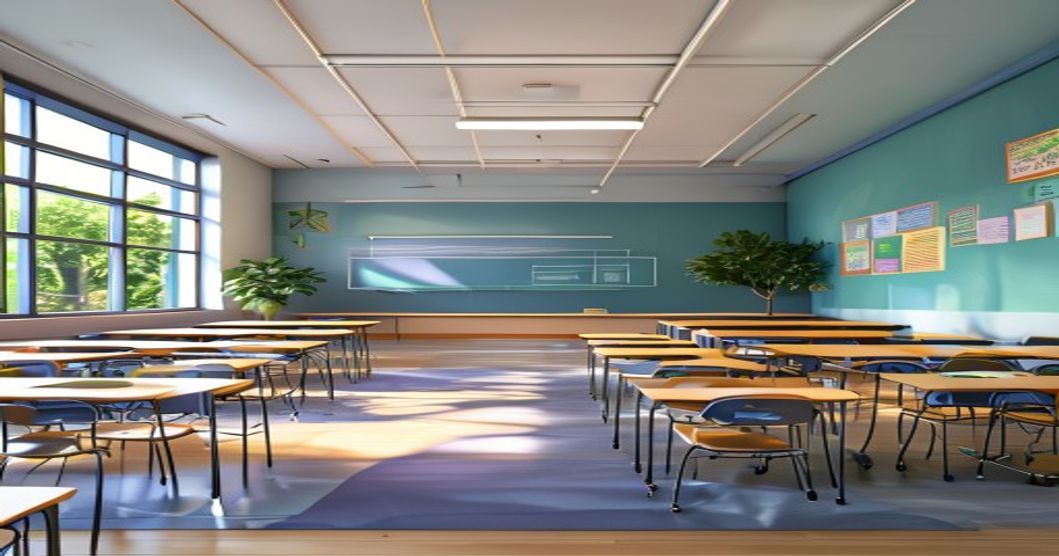
The Crossroads of the Education System in the Face of Demographic Decline
The education system is undergoing a period of profound transformation due to the demographic winter. With a constant decline in birth rates, classrooms are emptying out, forcing administrations to rethink the management of school placements. In this context, the staunch protection of conciertos educativos (charter school agreements) has become a point of contention that threatens the stability of the public network.
Why shielding school placements is a strategic error
Administrative logic suggests that when demand decreases, supply should be adjusted. However, maintaining charter agreements in areas where public schools have sufficient capacity creates an inefficient duplication of resources. Instead of shielding subsidized private models, the State should take advantage of this situation to reduce student-teacher ratios and improve personalized attention, a key factor for social equity.
"The drop in birth rates is not a tragedy, but a window of opportunity to offer higher quality schooling with more resources per student."
The connection between social welfare, housing, and education
Access to quality education is not an isolated element; it is part of a broader ecosystem. As with other basic services, family stability is fundamental. Factors such as access to housing—whether through the payment of exorbitant rent or the burden of an unaffordable mortgage—condition the mobility and life decisions of citizens, directly influencing long-term school planning. In fact, the relationship between environment and well-being is so close that studies have been developed on how public health and housing: the new cancer screening strategy impact community development.
Towards a more efficient model
To ensure a sustainable future, public policies must prioritize the following pillars:
- Prioritizing the public network: Optimize resources in publicly owned centers to avoid budgetary dispersion.
- Adjusting supply: Eliminate unnecessary charter agreements in areas with vacancies in public schools.
- Investing in quality: Redirect savings derived from the rationalization of placements toward improving infrastructure and educational programs.
Education is the foundation of social cohesion. Shielding obsolete models in the face of a changing demographic reality does not protect the right to choose; rather, it compromises the viability of the public system that guarantees equal opportunities for all children, regardless of their zip code or family economic situation.
Related articles
1 de octubre de 2026
The Rental Map: How Housing Has Become an Unaffordable Luxury
Rental prices in Spain have risen by 43% in a decade, far outstripping wage growth and pushing millions of families to the breaking point.
24 de septiembre de 2026
Maricarmen's Eviction: The Stark Reality of Spain's Housing Crisis
The case of Maricarmen highlights the urgency of Spain's housing crisis, characterized by evictions and unaffordable rents.
17 de septiembre de 2026
AI in the classroom: Between bans and innovation amidst the housing crisis
The global educational debate on AI reflects a divide between prohibition and integration, set against a social backdrop marked by housing instability.
10 de septiembre de 2026
Mental Health and Housing: The State Suicide Registry as a Key Measure
The Ministry of Health is preparing a state registry to systematize suicide data and improve prevention policies across the country.
Loading comments...