A Medical Milestone: Vall d'Hebron achieves the first HIV-positive transplant in Spain
Vall d'Hebron Hospital successfully performs the first kidney transplant between HIV-positive patients, marking a historic breakthrough for Spanish medicine.
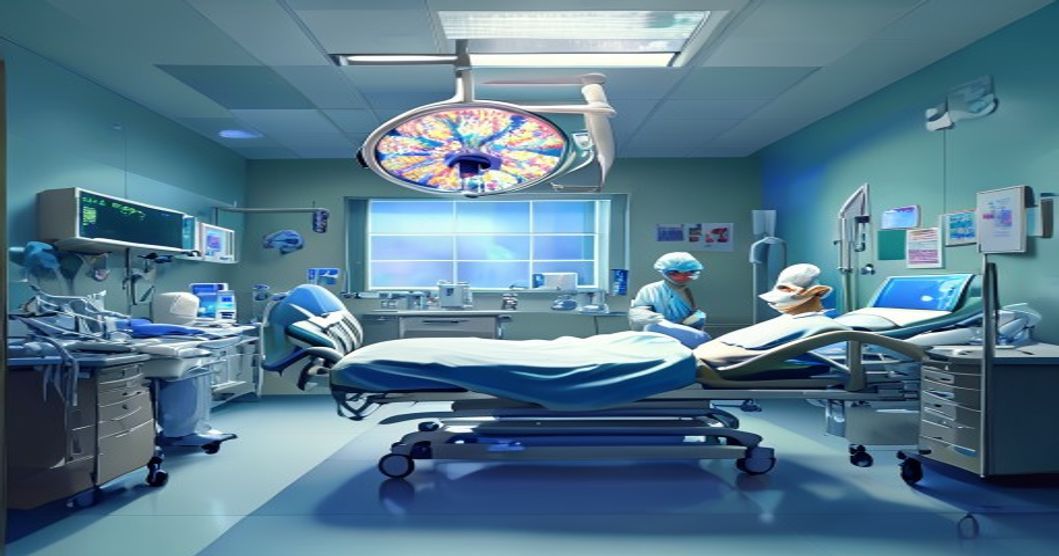
A historic breakthrough in Spanish medicine
Barcelona's Vall d'Hebron Hospital has reached a milestone in national healthcare by successfully performing the first kidney transplant between two people living with HIV. This intervention, which marks a turning point, comes just one year after the Ministry of Health formally authorized donations between HIV-positive patients—a crucial regulatory change to expand the pool of available donors.
Robotic surgery and technical precision
The procedure stands out not only for its ethical and social significance but also for its technical sophistication. The medical team utilized robotic surgery, a technique that allows for greater precision, reduces the risk of postoperative complications, and accelerates patient recovery. This procedure is a testament to the high level of specialization within the public health system, even in contexts where patient stability is an absolute priority.
"This transplant demonstrates that HIV is no longer an obstacle to accessing advanced therapies, leveling the playing field for health opportunities for all citizens," hospital sources noted.
Stability as a cornerstone of quality of life
Although this medical breakthrough focuses on biological health, the quality of life of patients also depends on external factors such as housing stability. Just as health requires a safe environment, the daily life of any citizen is conditioned by access to decent housing. At a time when legal confusion over housing and work permits is causing layoffs, it is essential that social policies accompany these medical advances to ensure comprehensive well-being.
Social challenges and the right to stability
The safety of a transplant patient requires an environment free from financial stress. Currently, concerns regarding the cost of a mortgage or uncertainty in the rental sector can directly affect treatment adherence and physical recovery. It is necessary that, just as legislation has been passed to improve access to transplants, social protection measures continue to be promoted, as seen in recent agreements regarding the extension of rental contracts until 2028.
Conclusion
The success at Vall d'Hebron is a collective victory. It demonstrates that science, when supported by updated legal frameworks and cutting-edge technology, can break down historical barriers. Society must continue working to ensure that, in both the medical and housing spheres, every person has the tools necessary for a full life.
Related articles
1 de octubre de 2026
The Rental Map: How Housing Has Become an Unaffordable Luxury
Rental prices in Spain have risen by 43% in a decade, far outstripping wage growth and pushing millions of families to the breaking point.
24 de septiembre de 2026
Maricarmen's Eviction: The Stark Reality of Spain's Housing Crisis
The case of Maricarmen highlights the urgency of Spain's housing crisis, characterized by evictions and unaffordable rents.
17 de septiembre de 2026
AI in the classroom: Between bans and innovation amidst the housing crisis
The global educational debate on AI reflects a divide between prohibition and integration, set against a social backdrop marked by housing instability.
10 de septiembre de 2026
Mental Health and Housing: The State Suicide Registry as a Key Measure
The Ministry of Health is preparing a state registry to systematize suicide data and improve prevention policies across the country.
Loading comments...