Sundar Pichai: AI, the Future of Search and the Web
Google's Sundar Pichai discusses generative AI, search changes, and the future of the web in an exclusive interview.
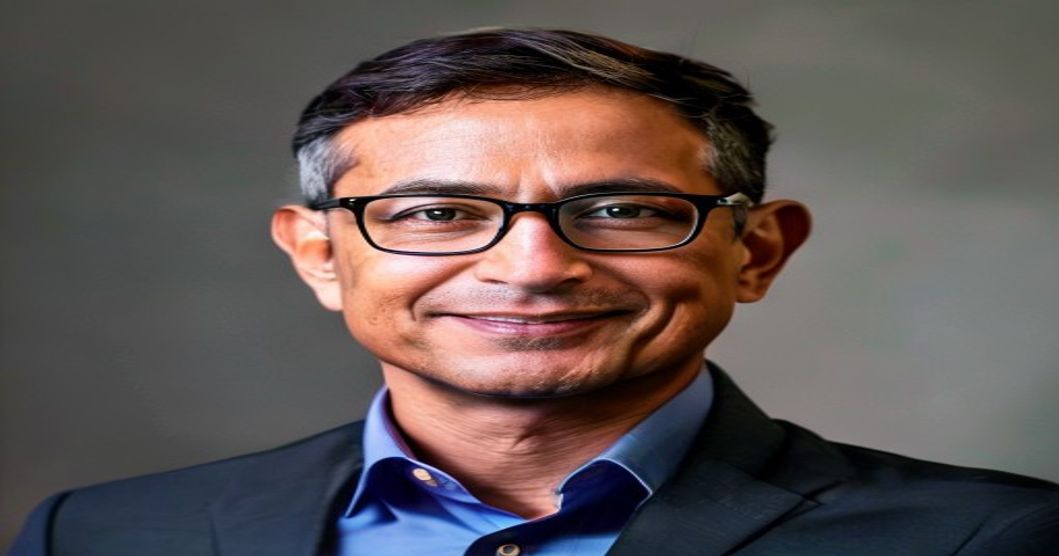
Sundar Pichai: AI, the Future of Search and the Web
In a revealing conversation following the Google I/O conference, Sundar Pichai, CEO of Google and Alphabet, shared his vision on the present and future of artificial intelligence, the redesign of web search and YouTube, and the impact of these technologies on the digital ecosystem.
Google's Transformation Towards AI
Pichai detailed how the emergence of technologies like ChatGPT spurred Google to a significant internal restructuring. The company has adopted an AI-first strategy, unifying research teams like Brain and DeepMind under the new entity Google DeepMind. This centralization aims to power a common machine learning model and robust AI infrastructure for all its products.
Strategic Decisions and Execution
The CEO emphasized the importance of speed in decision-making in a rapidly evolving technological environment. Google has implemented weekly AI product reviews to ensure an intentional and consistent application of the technology. Pichai highlighted that while some decisions are more complex and require deliberation, most must be made to maintain the organization's momentum.
The Future of Search and the Web
The conversation revolved around the profound transformations that artificial intelligence is bringing about in Google Search. The integration of models like Gemini and the Gemini Spark agent platform promise to revolutionize how users interact with information, moving from receiving results to initiating tasks and generating personalized content.
The Debate on Google Zero and the Web Ecosystem
Pichai addressed concerns about the concept of "Google Zero," the idea that Google might stop sending traffic to websites. While acknowledging the changing dynamics of the ecosystem, he reaffirmed Google's commitment to connecting users with diverse, high-quality information sources. Adapting to new consumption formats and supporting publisher subscription models are part of this evolution.
Generative AI and the Path to AGI
The CEO shared Google's vision for progress towards Artificial General Intelligence (AGI), aligning with DeepMind's Demis Hassabis's perspective of being "on the foothills of singularity." Pichai underscored the rapid progression of LLMs (Large Language Models) and the need for society to prepare for increasingly capable and intelligent systems.
The interview also touched upon topics such as the industry's responsibility in energy usage for data centers, managing public anxiety regarding AI advancements, and the debate on copyright protection and data usage for training AI models. Pichai concluded that the web, far from disappearing, will continue to be a central and dynamic component of our digital interaction, driven by these new technologies.
Related articles
26 de septiembre de 2026
Can Artificial Intelligence Save the Future of the Web?
Matthew Prince, CEO of Cloudflare, analyzes how AI is redefining the Internet's economic model and the role of bots in the new digital ecosystem.
19 de septiembre de 2026
Does Artificial Intelligence Need an Antitrust Exemption?
We examine whether Big Tech is seeking safety or simply protecting its business interests in the face of the artificial intelligence boom.
11 de septiembre de 2026
The Harsh Reality: Why Artificial Intelligence Is Facing Backlash
We analyze the growing social skepticism toward AI and the limits of automation in a world seeking control, agency, and tangible results.
3 de septiembre de 2026
Simultaneous Collapse: What the Artificial Intelligence Outage Teaches Us
ChatGPT, Claude, and Grok suffered simultaneous outages, exposing the fragility of our current reliance on large language models.
Loading comments...