The Return to Southern Lebanon: A Fragile Truce After the War
Thousands of displaced people are returning to southern Lebanon under an internationally mediated ceasefire, marking a critical moment for regional stability.
The Beginning of an Uncertain Return
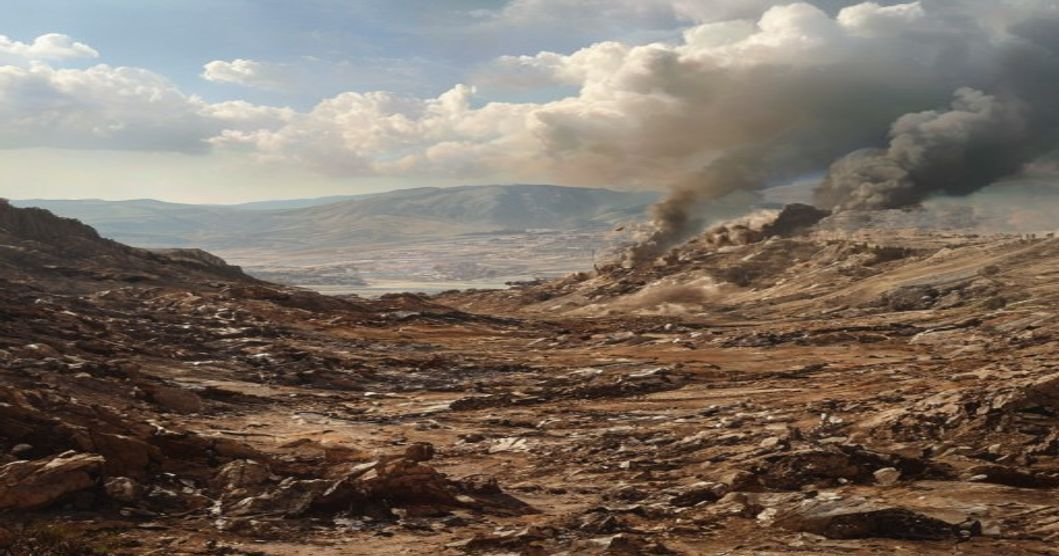
After months of intense bombardment that transformed the landscape of southern Lebanon, thousands of displaced citizens have begun the journey back to their homes. This movement is the direct result of a ceasefire backed by the United States and Iran, a truce that seeks to put an end to one of the most destructive episodes of the recent conflict in the Middle East.
However, the reality on the ground is complex. Although the cessation of hostilities has provided a respite, the infrastructure in border villages is devastated, and the sense of security is barely a temporary illusion. History teaches us that diplomatic solutions in this region are often as volatile as the war itself.
The Role of Diplomacy on an Unstable Board
The intervention of international powers underscores the importance of diplomacy in containing a wider regional escalation. This scenario reminds us that local tensions are intrinsically connected to global dynamics, similar to those analyzed in our recent article on the Giro a la izquierda: El impacto de las primarias demócratas y la guerra.
"Peace is not just the absence of bombing, but the rebuilding of the trust and security necessary for families to resume their daily lives," local analysts comment on the current situation.
Challenges for Reconstruction
The road to normalization faces significant obstacles:
- Critical infrastructure: Much of the electricity and water networks need to be rebuilt from scratch.
- Presence of munitions: The risk of unexploded ordnance poses a latent threat to returning civilians.
- Political stability: The fragility of the current agreement depends on the parties' willingness to maintain the agreed terms.
Conclusion: A Watchful Calm
Although the return of the displaced is a positive sign of human resilience, the future of southern Lebanon remains uncertain. The international community is watching with caution to see if this agreement will manage to become a lasting peace or if, on the contrary, it will be merely a tactical pause. The stability of the area depends not only on the absence of fire, but on a genuine commitment to the safety of the civilian populations who have paid the highest price in this confrontation.
Related articles
27 de septiembre de 2026
Geopolitics at the pub: Ireland boycotts matches against Israel
Irish pubs are refusing to broadcast Nations League matches against Israel, turning sport into a new diplomatic battlefield.
20 de septiembre de 2026
The Pardon of Elor Azaria: A Turning Point in War and Diplomacy
The recent pardon of soldier Elor Azaria has reopened the debate surrounding military justice and the diplomatic repercussions of the Middle East conflict.
12 de septiembre de 2026
Diplomacy in the BRICS: Iran and the UAE seek de-escalation following conflict
The President of Iran and the Crown Prince of Abu Dhabi meet at the BRICS summit, marking a diplomatic milestone amidst regional instability.
4 de septiembre de 2026
Resistance in the West Bank: The Impact of Conflict in Khirbet al-Tabban
Following the mass demolition of 12 homes in Khirbet al-Tabban, residents have reaffirmed their determination to rebuild their lives on the land of their ancestors.
Loading comments...