The humanitarian cost of war: 30 million to fall into poverty
A UN report warns that a conflict involving Iran would collapse global supply chains, pushing millions into extreme poverty due to food and fuel shortages.
The high price of a regional conflict
Global geopolitical stability is currently facing one of its most critical moments. Recent warnings from the United Nations Development Programme (UNDP) have highlighted a devastating reality: a war between the United States, Israel, and Iran would not only have immediate military consequences, but would also trigger an unprecedented socioeconomic catastrophe. According to UN estimates, nearly 30 million people could fall into extreme poverty if hostilities escalate to the point of closing strategic trade routes.
The crisis in the Strait of Hormuz
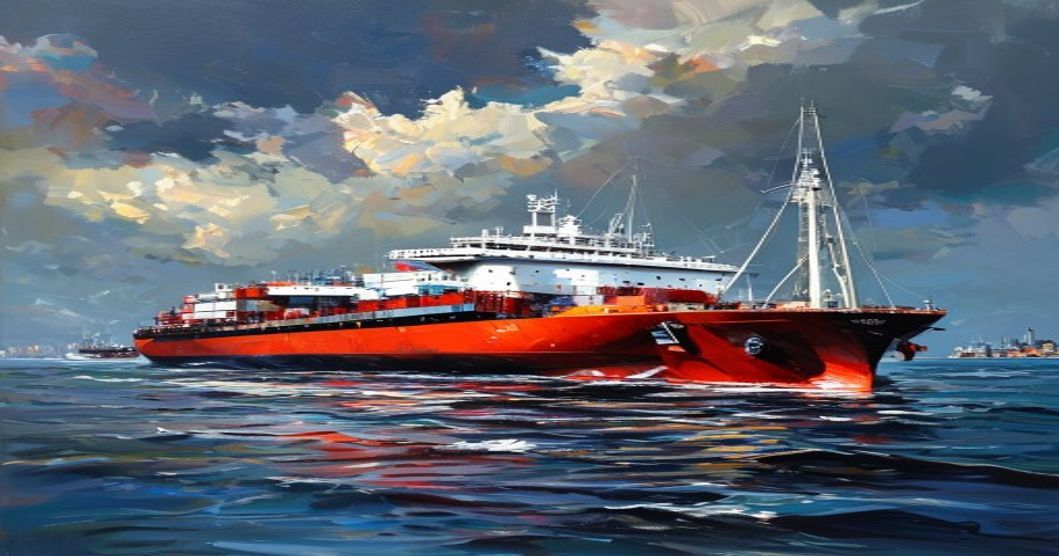
The epicenter of the risk lies in the Strait of Hormuz, the bottleneck through which a significant portion of the world's oil transits. A blockade in this area would not only cause energy prices to skyrocket, but would also disrupt supply chains for fertilizers essential to global agriculture.
"The disruption of fuel and fertilizer supplies will drastically reduce crop yields, affecting food security in the most vulnerable regions," warned the UNDP leadership.
This situation demonstrates how current diplomacy, often marked by paralysis, is insufficient to contain tensions. As we analyzed in The 42 billion dilemma: The paralysis of European diplomacy, the lack of a coordinated and proactive response from international blocs leaves markets and civilian populations at the mercy of an uncontrollable escalation.
Impact on food and economic security
The interdependence of the global economy means that a shock in the Middle East quickly translates into food inflation in Africa, Asia, and Latin America. The consequences of this scenario include:
- Galloping inflation: Rising fuel costs will make the transport of basic goods more expensive.
- Shortages: The lack of fertilizers will cause a drop in global agricultural production for several seasons.
- Human displacement: The scarcity of fundamental resources will force millions to migrate, exacerbating existing humanitarian crises.
In conclusion, the possibility of large-scale armed conflict should not be measured solely in terms of military capacity or strategic alliances. The true metric of the disaster will be the reversal of decades of human development. The international community has a responsibility to prioritize diplomatic channels before the cost of inaction is paid by the planet's poorest populations.
Related articles
27 de septiembre de 2026
Geopolitics at the pub: Ireland boycotts matches against Israel
Irish pubs are refusing to broadcast Nations League matches against Israel, turning sport into a new diplomatic battlefield.
20 de septiembre de 2026
The Pardon of Elor Azaria: A Turning Point in War and Diplomacy
The recent pardon of soldier Elor Azaria has reopened the debate surrounding military justice and the diplomatic repercussions of the Middle East conflict.
12 de septiembre de 2026
Diplomacy in the BRICS: Iran and the UAE seek de-escalation following conflict
The President of Iran and the Crown Prince of Abu Dhabi meet at the BRICS summit, marking a diplomatic milestone amidst regional instability.
4 de septiembre de 2026
Resistance in the West Bank: The Impact of Conflict in Khirbet al-Tabban
Following the mass demolition of 12 homes in Khirbet al-Tabban, residents have reaffirmed their determination to rebuild their lives on the land of their ancestors.
Loading comments...