The human cost of war: Lebanese villages forgotten
The systematic destruction of villages in Lebanon is leaving an indelible mark on the identity and mental health of thousands displaced by the conflict.
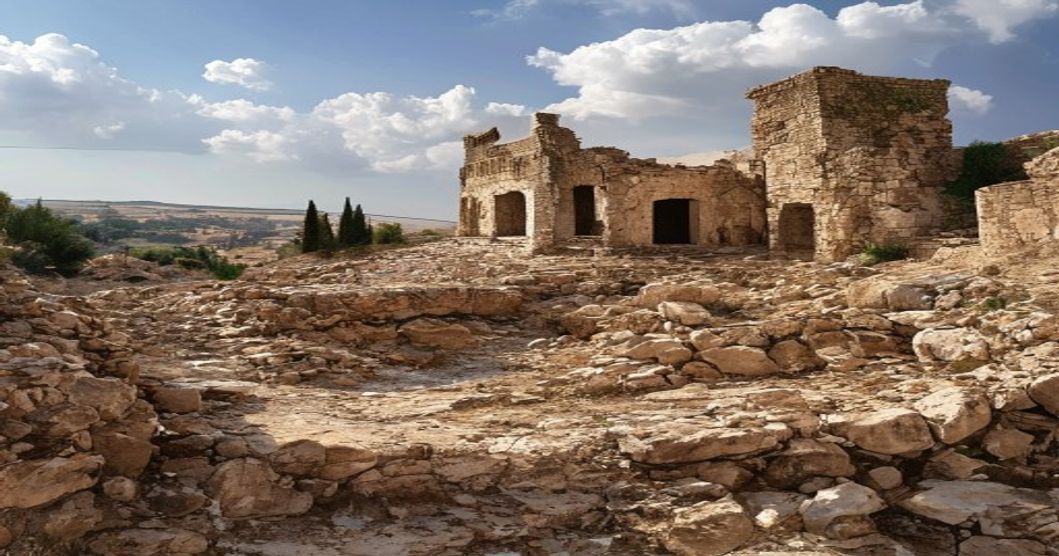
The disappearance of the social fabric in Lebanon
The current conflict in southern Lebanon has gone beyond the destruction of infrastructure. Beyond the physical ruins, what is being dismantled is the historical memory and identity of entire communities. The disappearance of villages under bombardment has triggered a profound psychological crisis, leaving displaced people in an existential vacuum where their homes, their lands, and their roots have been wiped off the map.
This situation reflects an alarming regional trend where territory becomes a bargaining chip, similar to what is happening on other fronts, as detailed in Geopolítica en crisis: Israel intensifica la anexión de tierras en Gaza.
The trauma of forced displacement
The loss of emotional anchors
For the rural populations of Lebanon, a home is not just a real estate asset; it is the repository of generations of family history. The war has forced thousands to abandon these spaces, triggering collective mourning for the loss of what they called home. Experts point out that the psychological impact of seeing one's place of origin reduced to rubble is a wound that will be difficult to heal without long-term structural intervention.
- Loss of identity: Disconnection from the physical environment disorients older generations.
- Uncertainty: The lack of a clear return keeps families in a state of chronic post-traumatic stress.
- Social fragility: The dispersion of inhabitants weakens the community ties essential for resilience.
A failure of diplomacy?
The ineffectiveness of international diplomacy in curbing hostilities has left Lebanese civilians in a position of extreme vulnerability. While efforts to reach a ceasefire seem stalled, the reality on the ground continues to change drastically, with entire villages being declared uninhabitable.
"The destruction of a village is the destruction of its narrative. When there is nothing left to return to, a people's identity risks dissolving into exile," analysts comment on the impact of the current conflict.
The international community faces an unprecedented challenge: how to rebuild not just the walls and roofs, but the social fabric of a nation watching helplessly as its geography is permanently altered by armed violence.
Conclusion
The humanitarian crisis in Lebanon is a grim reminder that, in modern geopolitics, the highest cost is not always measured in currency or territory, but in the mental health and dignity of displaced populations. The global community must prioritize solutions that not only seek to silence the guns, but also protect the right to existence and the memory of the affected communities.
Related articles
27 de septiembre de 2026
Geopolitics at the pub: Ireland boycotts matches against Israel
Irish pubs are refusing to broadcast Nations League matches against Israel, turning sport into a new diplomatic battlefield.
20 de septiembre de 2026
The Pardon of Elor Azaria: A Turning Point in War and Diplomacy
The recent pardon of soldier Elor Azaria has reopened the debate surrounding military justice and the diplomatic repercussions of the Middle East conflict.
12 de septiembre de 2026
Diplomacy in the BRICS: Iran and the UAE seek de-escalation following conflict
The President of Iran and the Crown Prince of Abu Dhabi meet at the BRICS summit, marking a diplomatic milestone amidst regional instability.
4 de septiembre de 2026
Resistance in the West Bank: The Impact of Conflict in Khirbet al-Tabban
Following the mass demolition of 12 homes in Khirbet al-Tabban, residents have reaffirmed their determination to rebuild their lives on the land of their ancestors.
Loading comments...