The Fragility of Peace: The Assassination of Amal Khalil Amidst Conflict
The assassination of journalist Amal Khalil during a truce in Lebanon highlights the vulnerability of the press in war zones.
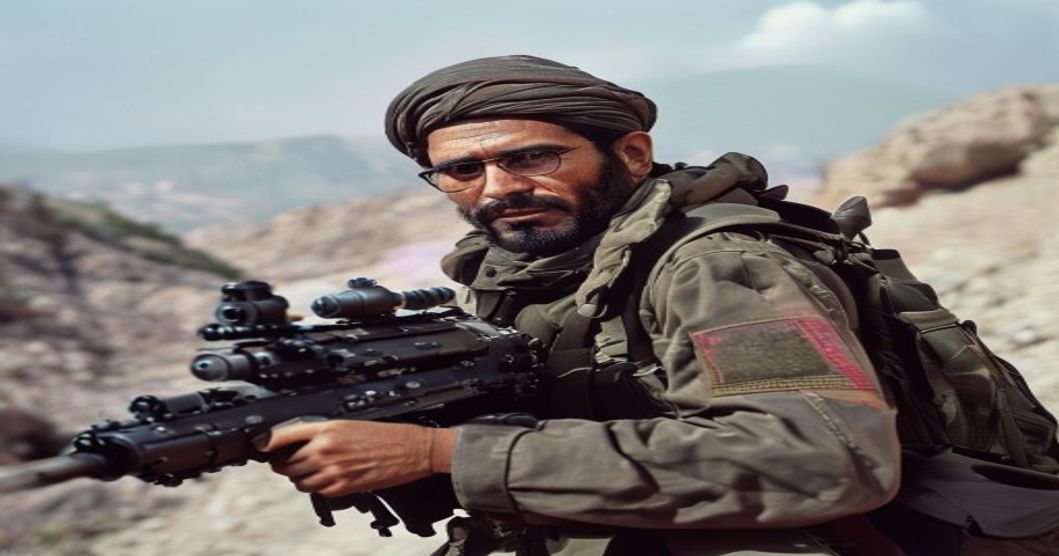
The impact of violence on journalism in conflict
The tragic death of journalist Amal Khalil in southern Lebanon has shocked the international community. Khalil was killed while covering the aftermath of an Israeli airstrike, an event that occurred during a 10-day ceasefire. This incident not only represents an irreparable loss to journalism, but also underscores the fragility of peace agreements in a region marked by decades of tension.
Khalil's assassination adds to a growing list of media professionals who have lost their lives covering the war. This pattern of violence against the press raises serious questions regarding the protection of media workers in hostile environments, where the line between the front lines and safe zones is becoming increasingly blurred.
The failure of diplomacy and the human cost
When mechanisms of diplomacy fail, the humanitarian consequences are immediate and devastating. Khalil's case is a grim reminder of how civilians, and specifically those documenting the reality on the ground, are caught in the crossfire. Prolonged instability has devastating effects on the social fabric, a phenomenon analyzed in depth in our article on the humanitarian cost of war: 30 million will fall into poverty.
Challenges for international law
The fact that the attack occurred under a ceasefire framework suggests two worrying realities:
- The lack of real guarantees for compliance with ceasefire agreements.
- The growing impunity regarding the violation of international protections for journalists.
"The safety of journalists is a fundamental indicator of the health of any peace process; when they are silenced, the truth remains buried under the rubble of conflict."
Toward necessary accountability
The death of Amal Khalil demands a thorough and transparent investigation. The international community cannot afford to normalize violence against the press, as this undermines the foundations of freedom of information. While diplomacy seeks paths to restore stability, it is imperative that the protection of human life—and those who tell its story—is placed above any tactical interest on the ground.
The current situation is a reflection of the political paralysis that often prevents effective solutions, a topic explored in the analysis on the 42 billion dilemma: The paralysis of European diplomacy.
Related articles
27 de septiembre de 2026
Geopolitics at the pub: Ireland boycotts matches against Israel
Irish pubs are refusing to broadcast Nations League matches against Israel, turning sport into a new diplomatic battlefield.
20 de septiembre de 2026
The Pardon of Elor Azaria: A Turning Point in War and Diplomacy
The recent pardon of soldier Elor Azaria has reopened the debate surrounding military justice and the diplomatic repercussions of the Middle East conflict.
12 de septiembre de 2026
Diplomacy in the BRICS: Iran and the UAE seek de-escalation following conflict
The President of Iran and the Crown Prince of Abu Dhabi meet at the BRICS summit, marking a diplomatic milestone amidst regional instability.
4 de septiembre de 2026
Resistance in the West Bank: The Impact of Conflict in Khirbet al-Tabban
Following the mass demolition of 12 homes in Khirbet al-Tabban, residents have reaffirmed their determination to rebuild their lives on the land of their ancestors.
Loading comments...