The Diplomacy Crisis: Is This the End of the Gaza Peace Process?
The escalation of hostilities and territorial occupation are undermining international efforts to resolve the conflict in Gaza.
The Collapse of Diplomacy in the Middle East
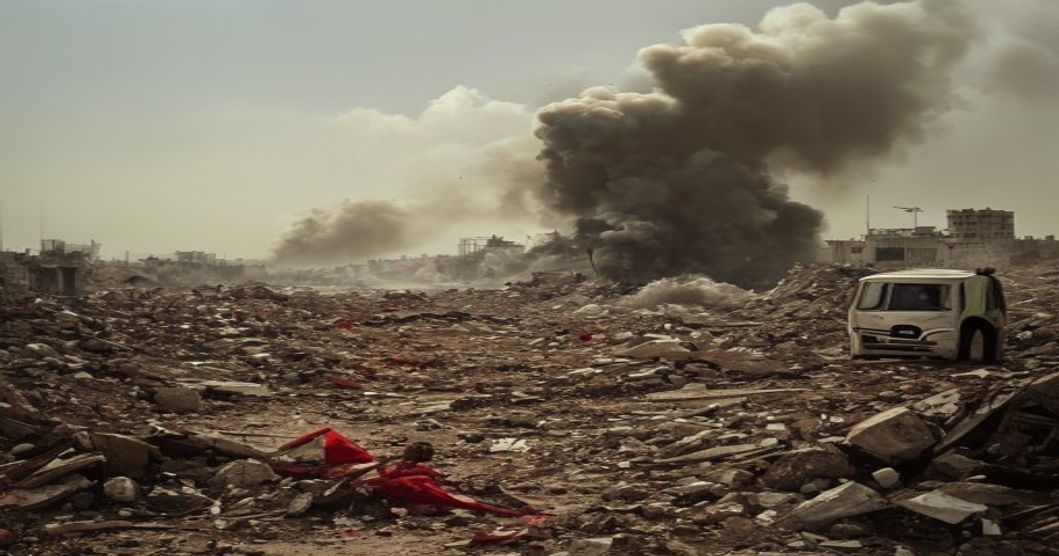
The geopolitical landscape in the Gaza Strip is going through one of its most critical moments. What was initially presented as a U.S.-backed peace process appears to be crumbling in the face of intensified military operations and the expansion of territorial control measures. The war has not only left behind an unprecedented humanitarian crisis but has also invalidated the channels of dialogue that sought a lasting solution.
Territorial Expansion as an Obstacle
Recent reports indicate that Israeli forces have advanced to control up to 70% of the Gaza Strip. This strategic maneuver drastically alters the map of the terrain and complicates any future negotiation attempts. The fragmentation of the territory and the forced displacement of the civilian population are factors that, far from stabilizing the region, deepen resentment and isolation.
"The viability of a sovereign state is fading as areas of effective control shrink for Palestinians and expand for the occupying forces," international analysts note.
Impact on Regional Stability
The deterioration of the situation in Gaza has ramifications that transcend its borders. Regional diplomacy is at a standstill, with international actors watching as their roadmaps are ignored by actions on the ground. This scenario is reminiscent of other moments of energy and political tension, as detailed in the analysis of how Irán restablece la producción en South Pars tras la guerra regional, where war-related instability always ends up affecting markets and global geopolitics.
Is There a Way Out of the Conflict?
For the peace process to be salvageable, the international community faces several urgent challenges:
- Immediate Ceasefire: Uninterrupted violence prevents any space for mediation.
- Withdrawal of Forces: Control of 70% of the territory is incompatible with a peace agreement based on sovereignty.
- Political Will: Without real pressure on the actors involved, diplomacy will remain an empty rhetorical exercise.
In conclusion, the conflict has entered a phase where physical occupation of the territory is outpacing any previous diplomatic agreement. If the current trend is not reversed, the peace process promoted by Washington could remain a historical document with no real-world application, leaving the region mired in chronic instability.
Source: Al Jazeera
Related articles
27 de septiembre de 2026
Geopolitics at the pub: Ireland boycotts matches against Israel
Irish pubs are refusing to broadcast Nations League matches against Israel, turning sport into a new diplomatic battlefield.
20 de septiembre de 2026
The Pardon of Elor Azaria: A Turning Point in War and Diplomacy
The recent pardon of soldier Elor Azaria has reopened the debate surrounding military justice and the diplomatic repercussions of the Middle East conflict.
12 de septiembre de 2026
Diplomacy in the BRICS: Iran and the UAE seek de-escalation following conflict
The President of Iran and the Crown Prince of Abu Dhabi meet at the BRICS summit, marking a diplomatic milestone amidst regional instability.
4 de septiembre de 2026
Resistance in the West Bank: The Impact of Conflict in Khirbet al-Tabban
Following the mass demolition of 12 homes in Khirbet al-Tabban, residents have reaffirmed their determination to rebuild their lives on the land of their ancestors.
Loading comments...