The controlled reopening of the Iranian market amid regional conflict
Iran reactivates its stock exchange after a prolonged closure, excluding strategic sectors affected by the recent escalation of hostilities.
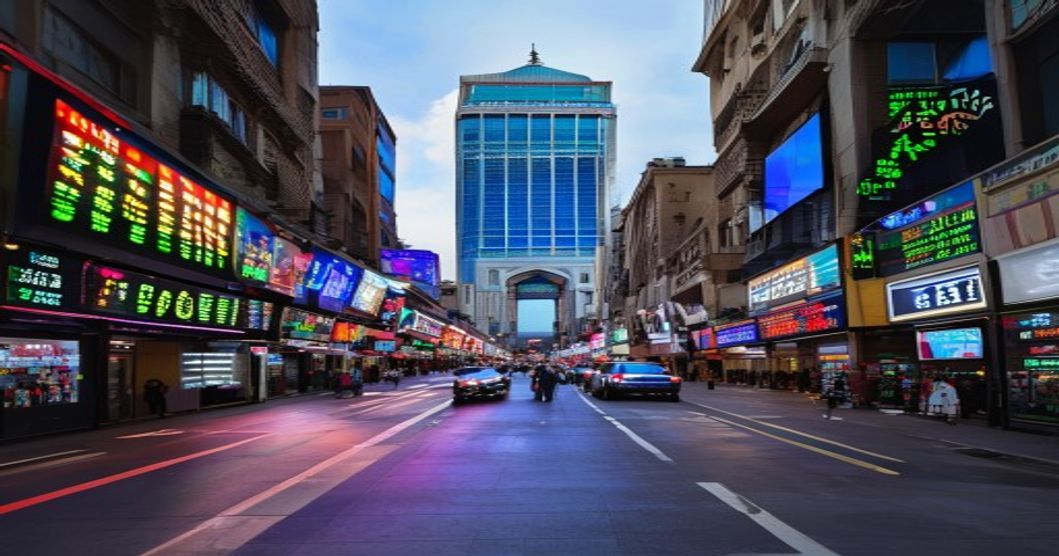
The Iranian market facing the uncertainty of war
After a prolonged period of inactivity, the Tehran Stock Exchange has begun a controlled reopening, marking an attempt at economic normalization amidst an intense geopolitical crisis. This decision, taken by financial authorities, seeks to contain extreme volatility following recent attacks and the escalation of the conflict in the Middle East.
However, normalcy is far from being achieved. The regulator has opted to keep key companies in the energy and steel sectors—which have been the targets of direct attacks by Israel and the United States—excluded from trading. This measure reflects Tehran's fear of a massive collapse that could further destabilize its already fragile domestic economy.
Geopolitics and fractures in regional markets
The current situation in Iran is a reminder of how diplomacy—or the lack thereof—directly impacts capital flows. While alliances are being reconfigured in other latitudes, as seen in the analysis of how Somaliland and Israel strengthen ties: a new era in diplomacy, regional powers like Iran find themselves increasingly financially isolated.
"State control over strategic assets is a defensive response to the vulnerability of critical infrastructure hit by external military action," note local financial analysts.
Challenges for economic stability
The partial reopening strategy raises several questions about the short-term future:
- Asset protection: Shielding energy companies prevents a contagion effect on the general index.
- Investor confidence: State intervention limits market transparency, which could drive away the few institutional investors still operating in the region.
- Impact of sanctions: International pressure remains the determining factor preventing a real recovery of stock market indicators.
In conclusion, the reopening of the Iranian trading floor is more of a damage control exercise than a sign of economic recovery. As long as tensions persist, the market will remain a hostage to strategic and military decisions made far from trading screens.
Sources:
- Al Jazeera: Controlled reopening ends Iran’s lengthy stock market shutdown
Related articles
27 de septiembre de 2026
Geopolitics at the pub: Ireland boycotts matches against Israel
Irish pubs are refusing to broadcast Nations League matches against Israel, turning sport into a new diplomatic battlefield.
20 de septiembre de 2026
The Pardon of Elor Azaria: A Turning Point in War and Diplomacy
The recent pardon of soldier Elor Azaria has reopened the debate surrounding military justice and the diplomatic repercussions of the Middle East conflict.
12 de septiembre de 2026
Diplomacy in the BRICS: Iran and the UAE seek de-escalation following conflict
The President of Iran and the Crown Prince of Abu Dhabi meet at the BRICS summit, marking a diplomatic milestone amidst regional instability.
4 de septiembre de 2026
Resistance in the West Bank: The Impact of Conflict in Khirbet al-Tabban
Following the mass demolition of 12 homes in Khirbet al-Tabban, residents have reaffirmed their determination to rebuild their lives on the land of their ancestors.
Loading comments...