Taiwan demands higher defense spending in light of new conflict risk
Thousands of citizens demonstrate in Taipei to demand an increase in the military budget following the pause in U.S. arms sales.
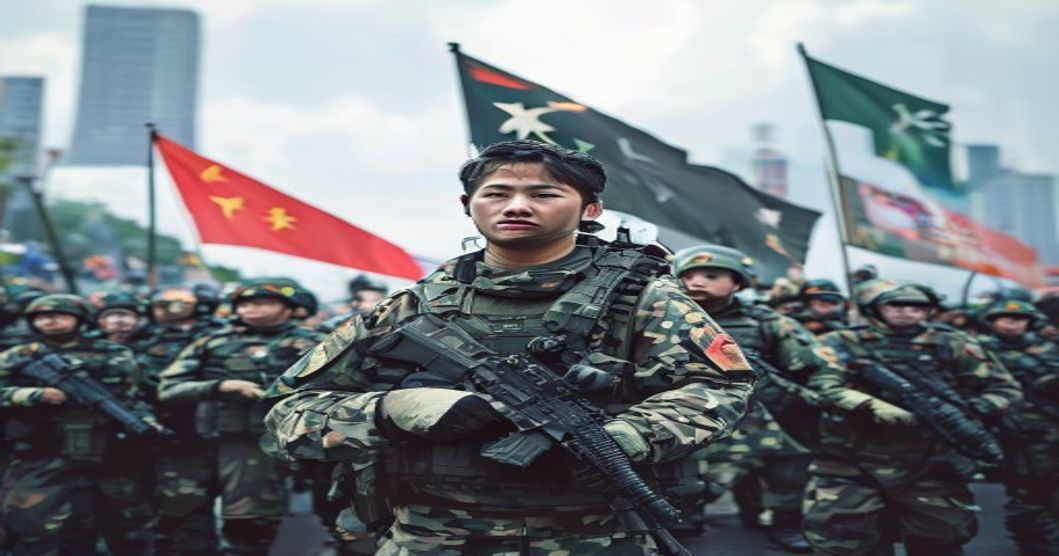
Civil resistance in the face of regional threat
Amidst growing uncertainty in the Strait, thousands of citizens have gathered on the streets of Taipei to demand that the government significantly increase the defense budget. This grassroots mobilization reflects widespread concern for national security, which has been exacerbated by the recent decision by the United States to pause a $14 billion arms sale.
Taiwanese society perceives that regional stability is hanging by a thread. As analysts warn of the possibility of a large-scale war, the public seeks to send a clear message: military deterrence is, now more than ever, the absolute priority for maintaining the statu quo in the face of pressure from Beijing.
Diplomacy, deterrence, and the role of Washington
The role of the United States as the primary security provider remains the pillar of Taipei's foreign policy. However, the pause in the supply of weaponry has raised doubts about the reliability of U.S. diplomacy during critical moments. This scenario is reminiscent of other global hotspots, such as the debates over international military support analyzed in our article on Tribunals after October 7th: Real justice or political trial?.
"A nation's security cannot be left to the mercy of the political whims of its allies; self-reliance is the only guarantee of survival," note spokespeople for the mobilized civil groups.
Challenges for regional stability
Increasing military spending poses significant challenges for the local economy and defense strategy. Key points of this citizen demand include:
- Fleet modernization: Upgrading naval systems to prevent maritime blockades.
- Cybersecurity: Investment in defense against attacks on critical infrastructure.
- Rapid response capability: Strengthening reserve units.
In conclusion, the latent conflict in the Pacific remains one of the greatest geopolitical challenges of the decade. The public pressure in Taipei demonstrates that, in the face of uncertainty, civil society is willing to bear the cost of defense to preserve its autonomy against an increasingly hostile regional environment.
Related articles
27 de septiembre de 2026
Geopolitics at the pub: Ireland boycotts matches against Israel
Irish pubs are refusing to broadcast Nations League matches against Israel, turning sport into a new diplomatic battlefield.
20 de septiembre de 2026
The Pardon of Elor Azaria: A Turning Point in War and Diplomacy
The recent pardon of soldier Elor Azaria has reopened the debate surrounding military justice and the diplomatic repercussions of the Middle East conflict.
12 de septiembre de 2026
Diplomacy in the BRICS: Iran and the UAE seek de-escalation following conflict
The President of Iran and the Crown Prince of Abu Dhabi meet at the BRICS summit, marking a diplomatic milestone amidst regional instability.
4 de septiembre de 2026
Resistance in the West Bank: The Impact of Conflict in Khirbet al-Tabban
Following the mass demolition of 12 homes in Khirbet al-Tabban, residents have reaffirmed their determination to rebuild their lives on the land of their ancestors.
Loading comments...