Humanitarian Crisis: The Legal Battle for Gaza's Doctors in Wartime
Physicians for Human Rights-Israel appeals to the Supreme Court to release 14 detained doctors, questioning the impact on Gaza's healthcare system.
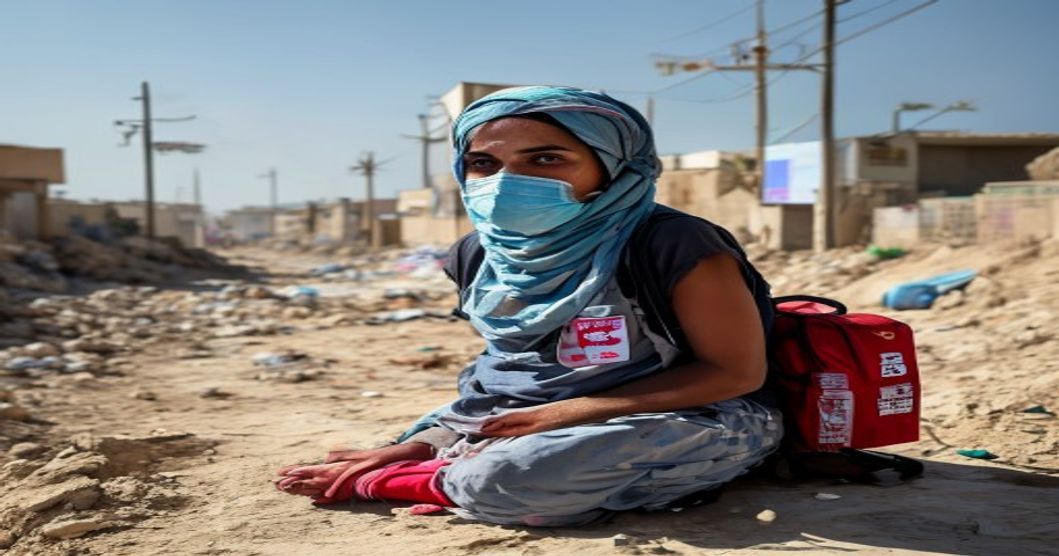
The Healthcare Crisis Amidst the Conflict
The prolonged war in Gaza has left deep scars, not only on the urban infrastructure but also on the very fabric of the regional healthcare system. Recently, the organization Physicians for Human Rights-Israel (PHRI) has filed a formal petition with Israel's Supreme Court demanding the immediate release of 14 Palestinian doctors held in Israeli authorities' custody.
This legal move underscores the growing concern over the state of Gaza's healthcare system, which, according to various international bodies, is on the verge of total collapse due to a lack of specialized medical personnel and basic supplies.
The Battle for Medical Rehabilitation
The organization argues that the prolonged detention of these professionals is not only a human rights issue but a direct obstacle to the rehabilitation of the healthcare system in the Strip. The absence of trained doctors prevents the treatment of thousands of injured and chronically ill patients who depend on intensive care.
"The detention of essential medical personnel undermines the capacity to respond to an unprecedented humanitarian emergency," states the organization's position before the court.
Implications for Regional Diplomacy
The case highlights how the armed conflict continues to complicate any attempts at mediation or long-term stability. Diplomacy plays a crucial, though often invisible, role in resolving humanitarian crises of this magnitude. As we have analyzed in other contexts, such as in Tensions in Diplomacy: Ukraine and Israel Confronting Stolen Grain, Israel's political and judicial decisions have immediate repercussions on its international image and the management of its diplomatic relations.
Israel's Supreme Court now faces the challenge of balancing national security concerns with obligations under international humanitarian law. The resolution of this case could set a precedent for how healthcare personnel are treated in active combat zones.
Conclusion
The situation of the 14 doctors is a microcosm of the broader tragedy engulfing the region. As justice evaluates the petition, Gaza's healthcare system continues to operate under precarious conditions, reinforcing the urgency for a solution that prioritizes the protection of essential workers and humanitarian stability.
Related articles
27 de septiembre de 2026
Geopolitics at the pub: Ireland boycotts matches against Israel
Irish pubs are refusing to broadcast Nations League matches against Israel, turning sport into a new diplomatic battlefield.
20 de septiembre de 2026
The Pardon of Elor Azaria: A Turning Point in War and Diplomacy
The recent pardon of soldier Elor Azaria has reopened the debate surrounding military justice and the diplomatic repercussions of the Middle East conflict.
12 de septiembre de 2026
Diplomacy in the BRICS: Iran and the UAE seek de-escalation following conflict
The President of Iran and the Crown Prince of Abu Dhabi meet at the BRICS summit, marking a diplomatic milestone amidst regional instability.
4 de septiembre de 2026
Resistance in the West Bank: The Impact of Conflict in Khirbet al-Tabban
Following the mass demolition of 12 homes in Khirbet al-Tabban, residents have reaffirmed their determination to rebuild their lives on the land of their ancestors.
Loading comments...