Gaza Under Constant Siege: The Reality of a War Without Refuge
The Al-Shati refugee camp has once again become a scene of destruction, leaving civilians with no options as the conflict escalates.
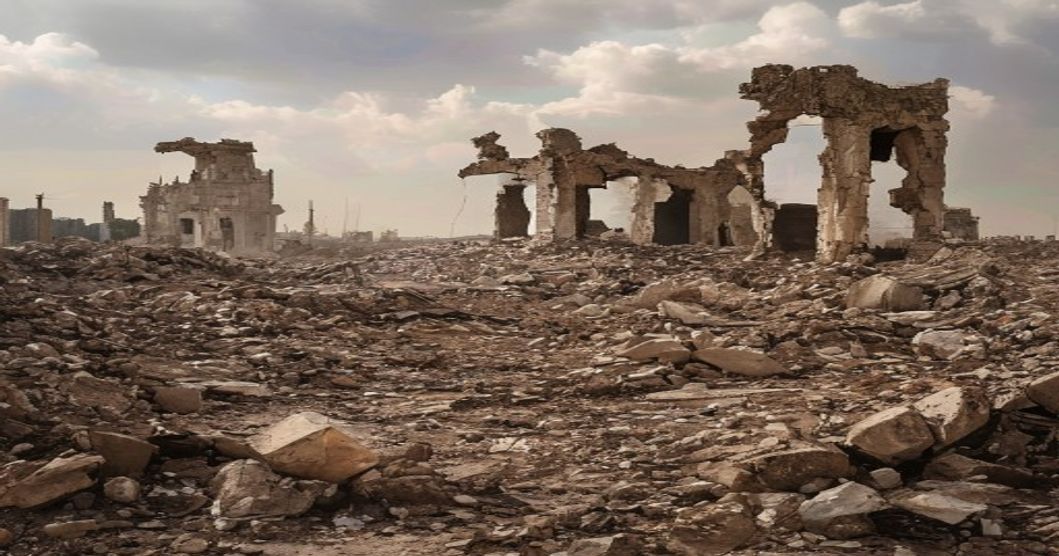
Devastation as Routine in Al-Shati
The recent series of overnight airstrikes on the Al-Shati refugee camp in Gaza has left a trail of desolation that has become all too familiar to its residents. According to reports from the ground, civilians have returned to what used to be their homes only to find rubble, reaffirming a brutal reality: for many, there is simply nowhere safe left to go.
This cycle of violence, marked by constant shelling, highlights the fragility of human life in a territory where basic infrastructure has been reduced to ruins. The population, caught in the crossfire, faces a humanitarian crisis that seems to have no end and no short-term solution.
The Impact of War on the Social Fabric
The current conflict has shown that areas designated as temporary shelters are vulnerable to the intensity of military operations. The destruction of homes implies not only material loss but the total breakdown of the social fabric of displaced communities.
"There is nowhere to go. Every night is a lottery of who will survive and who will see their past turned to dust," recount testimonies from the ground.
The situation in Gaza is intertwined with broader regional tensions, similar to those we have previously analyzed on other fronts, as detailed in our article on the Escalation in Beirut: Israel intensifies the war against Hezbollah.
The Failure of International Diplomacy
The absence of an effective ceasefire highlights the limitations of contemporary diplomacy in curbing the escalation. Despite international efforts to mediate in the region, the reality on the ground continues to be dictated by the logic of military force.
- Humanitarian crisis: Mass displacement and a lack of basic supplies.
- Diplomatic challenge: The paralysis in negotiations prevents a sustainable political solution.
- Uncertain future: Reconstruction seems impossible as long as the intensity of the attacks remains at current levels.
It is essential to observe how these events impact not only local stability but also power dynamics throughout the Middle East. To better understand how these types of tensions spread across other borders, we recommend reading War in Lebanon: Israeli strikes and the future of diplomacy.
Conclusion
While the international community debates strategies, the inhabitants of Gaza continue to pay the highest price. The destruction in Al-Shati is an urgent reminder that, without a real political will to achieve peace, the civilian population will remain the primary victim of a degradation process that seems to have no limits.
Related articles
27 de septiembre de 2026
Geopolitics at the pub: Ireland boycotts matches against Israel
Irish pubs are refusing to broadcast Nations League matches against Israel, turning sport into a new diplomatic battlefield.
20 de septiembre de 2026
The Pardon of Elor Azaria: A Turning Point in War and Diplomacy
The recent pardon of soldier Elor Azaria has reopened the debate surrounding military justice and the diplomatic repercussions of the Middle East conflict.
12 de septiembre de 2026
Diplomacy in the BRICS: Iran and the UAE seek de-escalation following conflict
The President of Iran and the Crown Prince of Abu Dhabi meet at the BRICS summit, marking a diplomatic milestone amidst regional instability.
4 de septiembre de 2026
Resistance in the West Bank: The Impact of Conflict in Khirbet al-Tabban
Following the mass demolition of 12 homes in Khirbet al-Tabban, residents have reaffirmed their determination to rebuild their lives on the land of their ancestors.
Loading comments...