Gaza Aid Flotilla Intercepted: Tension and Diplomacy in the Mediterranean
Israel releases activists after intercepting a Gaza-bound aid convoy, sparking criticism and accusations of "piracy" and a "PR stunt."
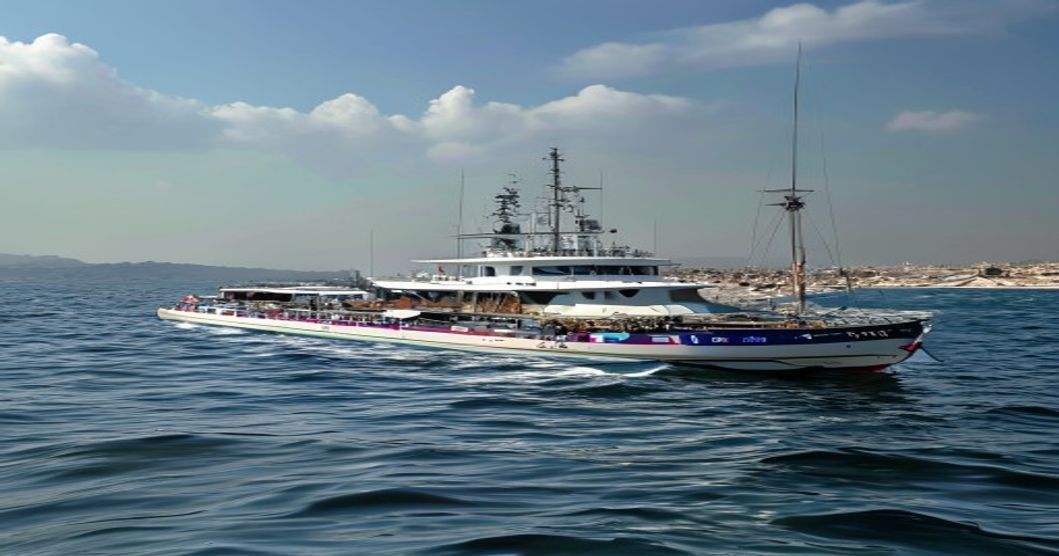
Interception of the Gaza Aid Flotilla: A New Chapter in the Conflict
The recent interception of the Global Sumud Flotilla by Israel, which was carrying aid destined for Gaza, has reignited tensions in the Mediterranean. While Israel released almost all of the activists on board, the incident underscores the complexity and persistence of the conflict in the region.
Denunciations and Counter-Accusations
The flotilla’s organizers, Global Sumud, denounced the Israeli action as an act of "piracy." For its part, Israel's Ministry of Foreign Affairs dismissed the initiative, labeling it a "PR stunt," suggesting that it was aimed more at media impact than the effective delivery of aid.
These types of confrontations, while not involving direct combat in the context of the current war, demonstrate the inherent difficulties in getting humanitarian aid into conflict zones. The situation in Gaza remains critical, with constant challenges for the distribution of essential supplies.
Diplomacy and Humanitarian Crisis
The incident highlights the delicate state of diplomacy in the region. Operations to bring aid to Gaza are often entangled in political and legal disputes. This event adds to a series of incidents that have defined the relationship between Israel and pro-Palestinian activists.
It is important to remember the persistent humanitarian crisis affecting Gaza. The legal and logistical battles to ensure the passage of aid are a constant, as seen in other cases related to medical assistance. The legal battle for Gaza's doctors in wartime is just one example of the obstacles faced by those attempting to alleviate suffering in the area.
Conclusion: The Difficult Path of Humanitarian Aid
The interception of the flotilla, though resolved with the release of most of the activists, serves as a reminder of the complex geopolitical challenges surrounding the delivery of humanitarian aid in conflict zones. The dichotomy between the need for assistance and the security measures implemented by Israel generates constant friction, highlighting the need for more effective diplomatic mechanisms and safer, depoliticized humanitarian access.
Related articles
27 de septiembre de 2026
Geopolitics at the pub: Ireland boycotts matches against Israel
Irish pubs are refusing to broadcast Nations League matches against Israel, turning sport into a new diplomatic battlefield.
20 de septiembre de 2026
The Pardon of Elor Azaria: A Turning Point in War and Diplomacy
The recent pardon of soldier Elor Azaria has reopened the debate surrounding military justice and the diplomatic repercussions of the Middle East conflict.
12 de septiembre de 2026
Diplomacy in the BRICS: Iran and the UAE seek de-escalation following conflict
The President of Iran and the Crown Prince of Abu Dhabi meet at the BRICS summit, marking a diplomatic milestone amidst regional instability.
4 de septiembre de 2026
Resistance in the West Bank: The Impact of Conflict in Khirbet al-Tabban
Following the mass demolition of 12 homes in Khirbet al-Tabban, residents have reaffirmed their determination to rebuild their lives on the land of their ancestors.
Loading comments...