Football Amidst Ruins: Youth Resilience Facing the War in Gaza
Amidst the devastation, orphaned youth in Gaza find an emotional refuge in football, shielding them from the harsh reality of the ongoing conflict.
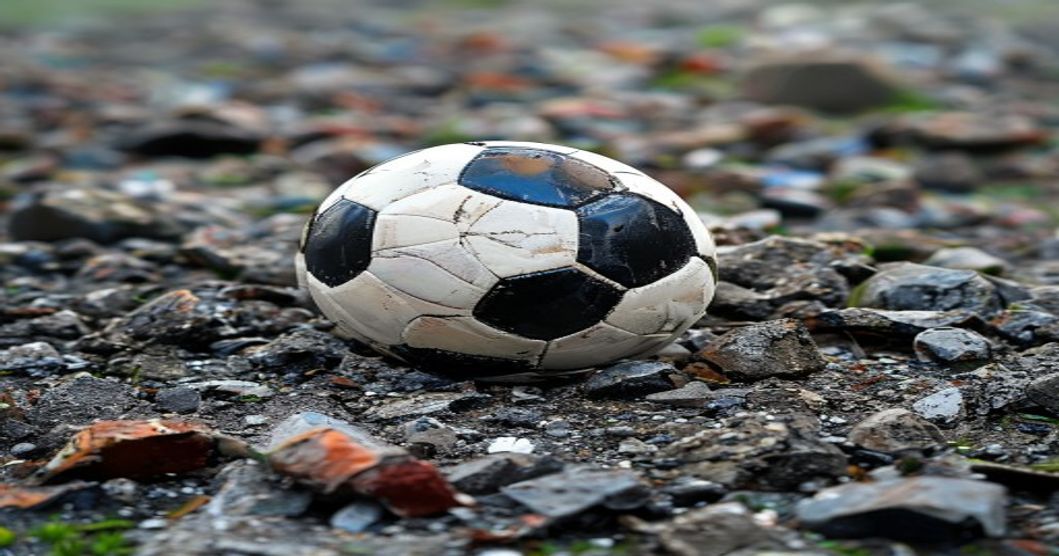
Sport as a Refuge from War
In a territory marked by destruction and loss, football has emerged as an unlikely form of psychological resistance. For many teenagers who have lost their families to the war, the pitch is not just a recreational space; it is the only place where they can reclaim, if only for a few minutes, a sense of normalcy amidst a bleak landscape.
Sports infrastructure in the region has suffered irreparable damage, yet the passion for the game persists. This phenomenon underscores how, even under the most extreme conditions, youth seek emotional survival mechanisms that transcend the borders of armed conflict.
The Impact of the Conflict on Gazan Youth
The situation of orphans in Gaza is a constant reminder of the failures of the international community. Analyzing the current crisis requires looking beyond the headlines of the war in Lebanon: Israeli attacks and the future of diplomacy and observing the social fabric that crumbles day by day.
"Football is my only escape. Here, the ruins become stands and the ball becomes a hope that tomorrow might be different," says one young player.
Challenges for Diplomacy and Humanitarian Aid
Access to safe spaces is almost non-existent. As detailed in our report on Gaza under constant siege: The reality of a war without refuge, the lack of basic guarantees prevents young people from planning a professional or personal future. Key points of this crisis include:
- Destruction of infrastructure: Most stadiums and pitches have been used as temporary shelters or have been destroyed.
- Generational trauma: The loss of loved ones has left an indelible mark on the mental health of adolescents.
- Isolation: Disconnection from international leagues limits any opportunity for athletic development.
Conclusion: The Ball as a Symbol of Persistence
International diplomacy seems stalled in high-level debates, while on the ground, the younger generation tries to piece their lives back together among the rubble. Football, in this context, is not just a sport; it is an act of rebellion against being forgotten. The global community has a moral responsibility not only to observe the suffering but to facilitate the necessary conditions so that these young people may, one day, play on fields not surrounded by ruins.
Source: Al Jazeera (2026).
Related articles
27 de septiembre de 2026
Geopolitics at the pub: Ireland boycotts matches against Israel
Irish pubs are refusing to broadcast Nations League matches against Israel, turning sport into a new diplomatic battlefield.
20 de septiembre de 2026
The Pardon of Elor Azaria: A Turning Point in War and Diplomacy
The recent pardon of soldier Elor Azaria has reopened the debate surrounding military justice and the diplomatic repercussions of the Middle East conflict.
12 de septiembre de 2026
Diplomacy in the BRICS: Iran and the UAE seek de-escalation following conflict
The President of Iran and the Crown Prince of Abu Dhabi meet at the BRICS summit, marking a diplomatic milestone amidst regional instability.
4 de septiembre de 2026
Resistance in the West Bank: The Impact of Conflict in Khirbet al-Tabban
Following the mass demolition of 12 homes in Khirbet al-Tabban, residents have reaffirmed their determination to rebuild their lives on the land of their ancestors.
Loading comments...