Federal Reserve holds rates amid war and inflation
Kevin Warsh leads his first Fed decision against a backdrop of record inflation driven by the conflict between the United States, Israel, and Iran.
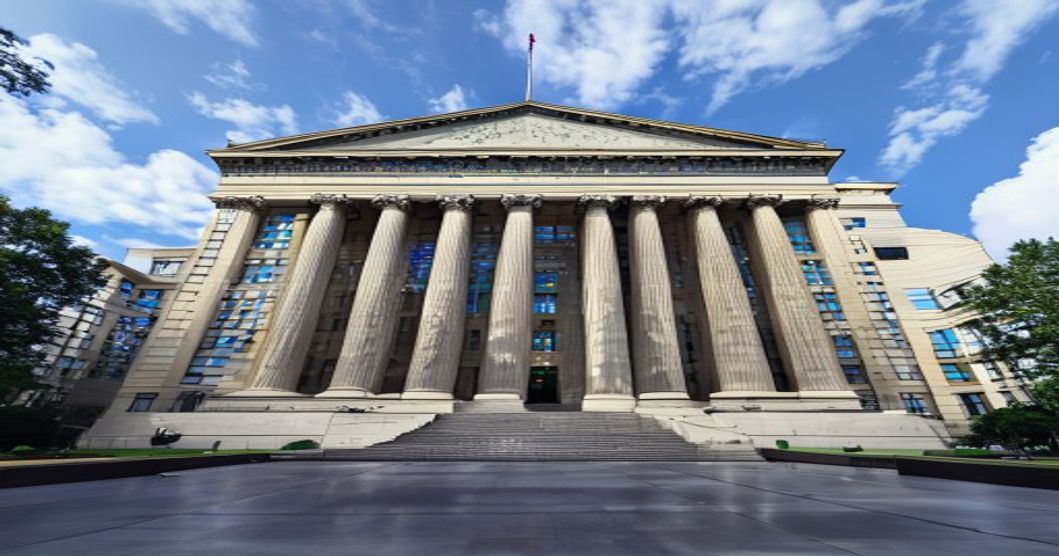
The impact of war on U.S. monetary policy
The U.S. Federal Reserve has made a cautious decision to keep interest rates unchanged at its latest meeting, the first presided over by Kevin Warsh. This move reflects the delicate balance the new leadership must manage in a macroeconomic landscape marked by global instability.
The trigger for this monetary policy paralysis is the spike in inflation, which has reached its highest level in the last three years. This phenomenon is no coincidence; it is a direct consequence of the war between the United States, Israel, and Iran, which has severely strained global energy markets.
"Volatility in energy supply is the main driver of the recent price escalation, complicating the Fed's strategy to stabilize the economy without triggering a recession," analysts note.
Geopolitics and the challenge of energy diplomacy
The current conflict in the Middle East has shown that the U.S. economy is highly vulnerable to disruptions in trade routes and crude oil production. As the situation worsens, diplomacy becomes the most necessary tool, albeit the most difficult to execute. The lack of quick solutions in the diplomatic sphere suggests that energy prices could remain elevated in the short term.
It is essential to observe how this regional scenario connects with other global flashpoints. To delve deeper into the complexity of these dynamics, you can consult the analysis on Fragile diplomacy in the face of a new escalation of the conflict in Lebanon.
Perspectives under the Warsh presidency
Kevin Warsh's administration faces an unprecedented challenge. Key points that will shape his agenda in the coming months include:
- Inflation control: Prioritizing the containment of energy prices as they feed into the CPI.
- Financial stability: Assessing the impact of high interest rates on the banking and corporate sectors.
- International coordination: Navigating external pressures resulting from military alliances and trade blockades.
In conclusion, the Fed is in a defensive position. The interdependence between domestic market stability and wartime developments in the Middle East underscores that, in the 21st century, monetary policy cannot be separated from geopolitical reality. The success of the new administration will depend on its ability to adapt financial instruments to a world in a constant state of tension.
Related articles
27 de septiembre de 2026
Geopolitics at the pub: Ireland boycotts matches against Israel
Irish pubs are refusing to broadcast Nations League matches against Israel, turning sport into a new diplomatic battlefield.
20 de septiembre de 2026
The Pardon of Elor Azaria: A Turning Point in War and Diplomacy
The recent pardon of soldier Elor Azaria has reopened the debate surrounding military justice and the diplomatic repercussions of the Middle East conflict.
12 de septiembre de 2026
Diplomacy in the BRICS: Iran and the UAE seek de-escalation following conflict
The President of Iran and the Crown Prince of Abu Dhabi meet at the BRICS summit, marking a diplomatic milestone amidst regional instability.
4 de septiembre de 2026
Resistance in the West Bank: The Impact of Conflict in Khirbet al-Tabban
Following the mass demolition of 12 homes in Khirbet al-Tabban, residents have reaffirmed their determination to rebuild their lives on the land of their ancestors.
Loading comments...