Escalation of War in Southern Syria: A New Front Opens
Israel intensifies its incursions into southern Syria with artillery strikes, further complicating regional stability amidst high tensions.
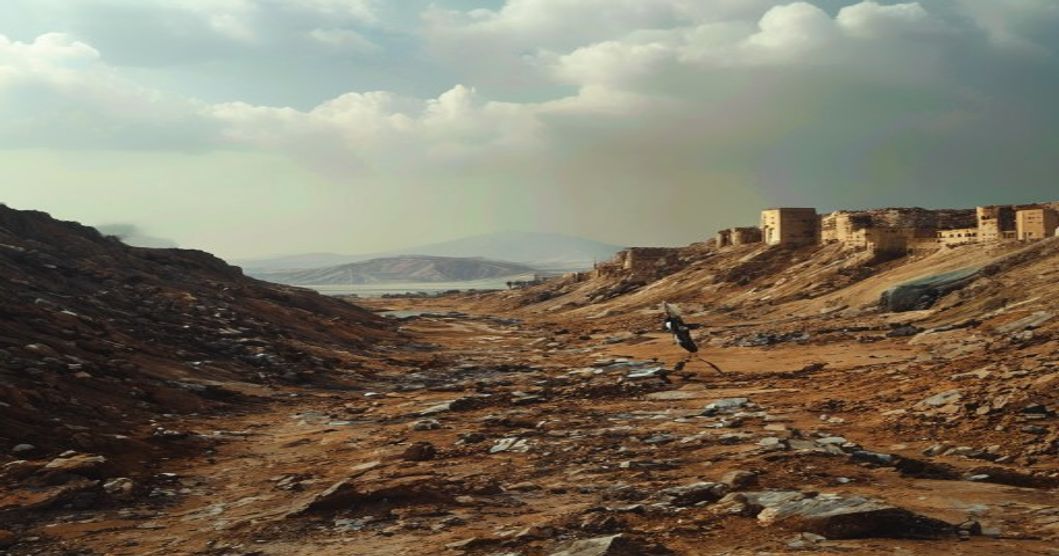
The Expansion of the Conflict on the Northern Border
Instability in the Middle East has taken a concerning turn in recent hours. Israeli military forces have carried out artillery strikes and ground incursions in a village in southern Syria. Throughout the night, the use of illumination flares was reported over the area, a tactical maneuver that often precedes or accompanies reconnaissance and direct attack operations.
This incident underscores how the war is not confined to a single theater of operations. Southern Syria has, de facto, become a stage where regional tensions converge with Israeli security ambitions, which seek to neutralize any potential threat at its immediate borders.
The Challenge of Diplomacy Amidst Instability
The current situation highlights the fragility of regional communication channels. As we analyzed in our report on The Fragile Diplomacy Facing the New Outbreak of War in Lebanon, efforts to contain violence are often overtaken by the reality of military operations on the ground.
"The security of Israel's borders has become an absolute priority that increasingly eclipses paths toward peaceful resolution," note analysts in the region.
Geopolitical Implications of the Attack
The incursion into Syrian territory raises several critical questions:
- Widening of the Front: The deployment of artillery suggests a shift in containment tactics, moving from passive surveillance to direct action.
- Risk of Escalation: The presence of foreign forces on Syrian soil increases the likelihood of accidental or calculated clashes with actors allied with Damascus.
- Humanitarian Crisis: Civilian populations in southern Syria are caught in the middle of a chessboard where diplomacy seems to have lost its capacity for influence.
In conclusion, the nighttime incursion in southern Syria is a warning sign. While international powers attempt to mediate, the reality on the ground shows that the conflict is far from reaching a cooling-off point. The ability of regional actors to avoid a large-scale conflagration now depends on a level of restraint that, for the moment, is conspicuously absent.
Related articles
27 de septiembre de 2026
Geopolitics at the pub: Ireland boycotts matches against Israel
Irish pubs are refusing to broadcast Nations League matches against Israel, turning sport into a new diplomatic battlefield.
20 de septiembre de 2026
The Pardon of Elor Azaria: A Turning Point in War and Diplomacy
The recent pardon of soldier Elor Azaria has reopened the debate surrounding military justice and the diplomatic repercussions of the Middle East conflict.
12 de septiembre de 2026
Diplomacy in the BRICS: Iran and the UAE seek de-escalation following conflict
The President of Iran and the Crown Prince of Abu Dhabi meet at the BRICS summit, marking a diplomatic milestone amidst regional instability.
4 de septiembre de 2026
Resistance in the West Bank: The Impact of Conflict in Khirbet al-Tabban
Following the mass demolition of 12 homes in Khirbet al-Tabban, residents have reaffirmed their determination to rebuild their lives on the land of their ancestors.
Loading comments...