Escalation in Lebanon: The impact of war in the south of the country
A recent airstrike in Ain Qana underscores the fragility of regional stability and the constant challenges facing international diplomacy.
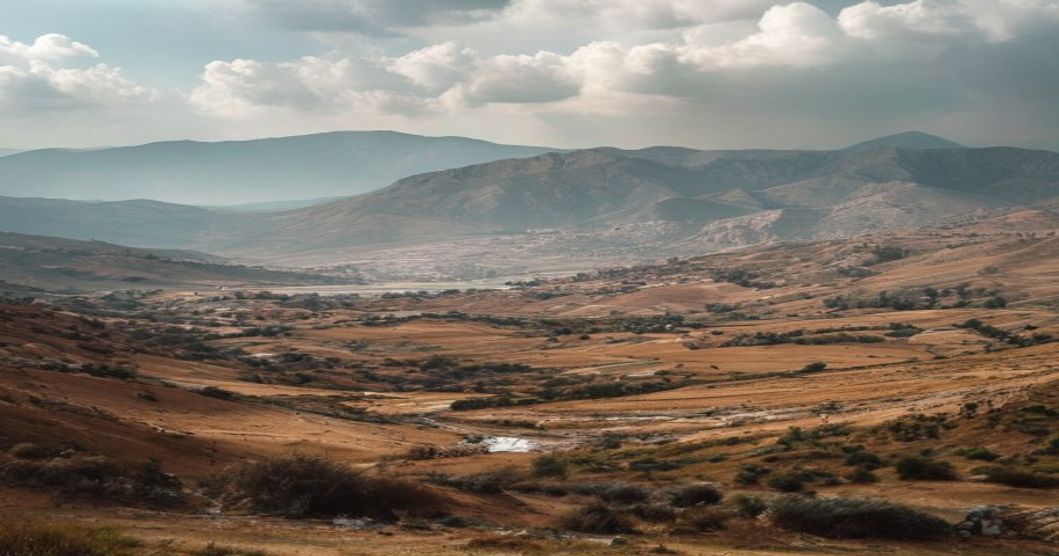
The expansion of the conflict in southern Lebanon
The recent incursion of Israeli fighter jets over the village of Ain Qana, in southern Lebanon, has marked a new turning point in the escalation of tensions in the region. The released footage shows the precise moment a residential building is struck, highlighting the critical nature of a conflict that seems unable to find an effective path toward de-escalation.
This incident is not an isolated event but rather fits into a dynamic of cross-border clashes that have kept the area under constant pressure. Civilian infrastructure, once again, is being affected by military operations that seek to neutralize specific targets but leave behind a trail of destruction and population displacement.
The exhaustion of regional diplomacy
The current situation makes it clear that diplomacy is in a state of paralysis. While international powers attempt to mediate to avoid a large-scale regional conflagration, actions on the ground continue to set the political agenda. Diplomatic tension has been reflected in other international forums, as analyzed in La diplomacia en crisis: Israel rechaza su inclusión en lista negra de la ONU, where the political isolation of the involved parties hinders any lasting peace process.
"The cycle of violence in southern Lebanon is a reminder of the fragility of current geopolitical borders, where each airstrike reduces the room for maneuver for a negotiated solution."
Perspectives and short-term consequences
The impact of these attacks transcends the material. Immediate consequences include:
- Forced displacement: Hundreds of families are abandoning their homes in the face of the constant risk of bombardment.
- Economic instability: The paralysis of productive activities in southern Lebanon is worsening the local financial crisis.
- Risk of escalation: The possibility that the exchange of fire could turn into an open war remains the greatest concern for international analysts.
The international community is watching with caution, aware that, just as occurred during the Eid en Gaza: Celebración marcada por la guerra y la destrucción, the human cost is the factor that, regrettably, tends to take a backseat to the strategic objectives of the actors involved in the dispute. Resolving this scenario requires not only political will but a radical change in the security architecture of the Levant.
Related articles
27 de septiembre de 2026
Geopolitics at the pub: Ireland boycotts matches against Israel
Irish pubs are refusing to broadcast Nations League matches against Israel, turning sport into a new diplomatic battlefield.
20 de septiembre de 2026
The Pardon of Elor Azaria: A Turning Point in War and Diplomacy
The recent pardon of soldier Elor Azaria has reopened the debate surrounding military justice and the diplomatic repercussions of the Middle East conflict.
12 de septiembre de 2026
Diplomacy in the BRICS: Iran and the UAE seek de-escalation following conflict
The President of Iran and the Crown Prince of Abu Dhabi meet at the BRICS summit, marking a diplomatic milestone amidst regional instability.
4 de septiembre de 2026
Resistance in the West Bank: The Impact of Conflict in Khirbet al-Tabban
Following the mass demolition of 12 homes in Khirbet al-Tabban, residents have reaffirmed their determination to rebuild their lives on the land of their ancestors.
Loading comments...