Eid in Gaza: Celebration Marked by War and Destruction
The Eid al-Adha holiday in Gaza was overshadowed by the continuation of Israeli attacks, marking a somber contrast to the spirit of celebration.
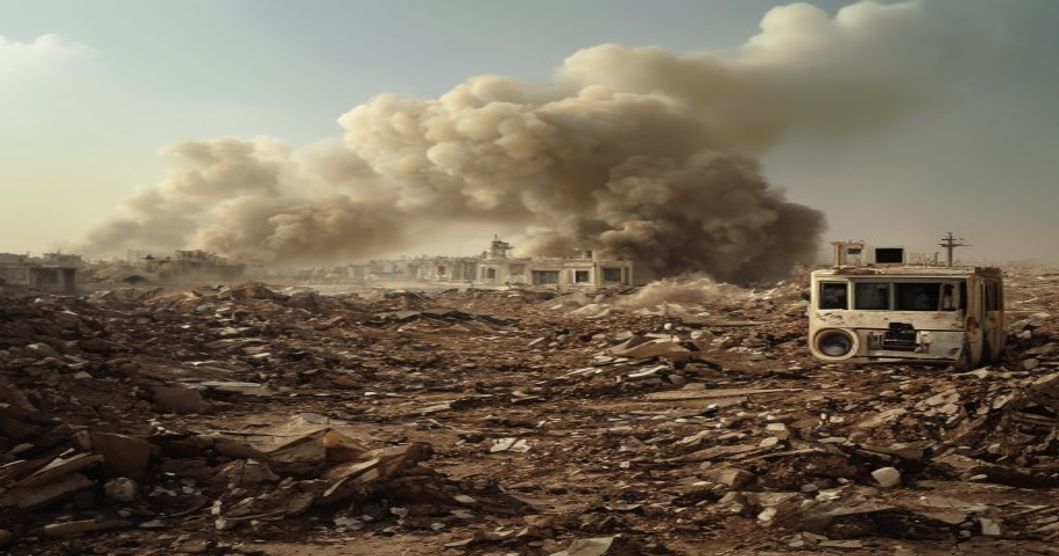
Eid al-Adha in Gaza: A Lament Amidst Rubble
The Palestinian community in Gaza commemorated the Eid al-Adha holiday in a profoundly moving and tragic manner. Instead of the joy and family gatherings that characterize this important Islamic occasion, Gaza residents gathered among the remains of their destroyed homes and buildings to perform prayers. The persistence of Israeli attacks has created a backdrop of devastation that eclipses any attempt at celebration.
The Human Cost of the Conflict
Images from Gaza paint a desolate picture: children and adults praying amidst rubble, the absence of the usual festive cheer, and the constant shadow of conflict looming over daily life. The holiday, which traditionally symbolizes sacrifice and devotion, has become a somber reminder of the losses and suffering that war has inflicted upon the civilian population.
The situation in Gaza highlights the complexity and urgency of finding pathways for diplomacy and peace in the region. While communities celebrate elsewhere in the world, for many in Gaza, Eid is a time of mourning and survival. The ongoing violence exacerbates the humanitarian crisis and hinders any possibility of short-term reconciliation or stability.
The international community watches with concern as violence intensifies in the region, with echoes of tensions extending to other areas. For example, warnings about a potential escalation on the border with Lebanon, where Prime Minister Netanyahu has vowed stronger action against Hezbollah, add another layer of concern to the already volatile geopolitical landscape.
This somber Eid in Gaza underscores the imperative need for a cessation of hostilities and a renewed commitment to diplomatic processes seeking a lasting solution to the conflict. The hope for a more peaceful future seems, for now, as fragile as the remains of the structures that today serve as places of worship.
Related articles
27 de septiembre de 2026
Geopolitics at the pub: Ireland boycotts matches against Israel
Irish pubs are refusing to broadcast Nations League matches against Israel, turning sport into a new diplomatic battlefield.
20 de septiembre de 2026
The Pardon of Elor Azaria: A Turning Point in War and Diplomacy
The recent pardon of soldier Elor Azaria has reopened the debate surrounding military justice and the diplomatic repercussions of the Middle East conflict.
12 de septiembre de 2026
Diplomacy in the BRICS: Iran and the UAE seek de-escalation following conflict
The President of Iran and the Crown Prince of Abu Dhabi meet at the BRICS summit, marking a diplomatic milestone amidst regional instability.
4 de septiembre de 2026
Resistance in the West Bank: The Impact of Conflict in Khirbet al-Tabban
Following the mass demolition of 12 homes in Khirbet al-Tabban, residents have reaffirmed their determination to rebuild their lives on the land of their ancestors.
Loading comments...