Diplomacy under fire: Lebanon and Israel resume peace talks
The United States confirms a new round of negotiations between Lebanon and Israel as military devastation continues to reshape the regional landscape.
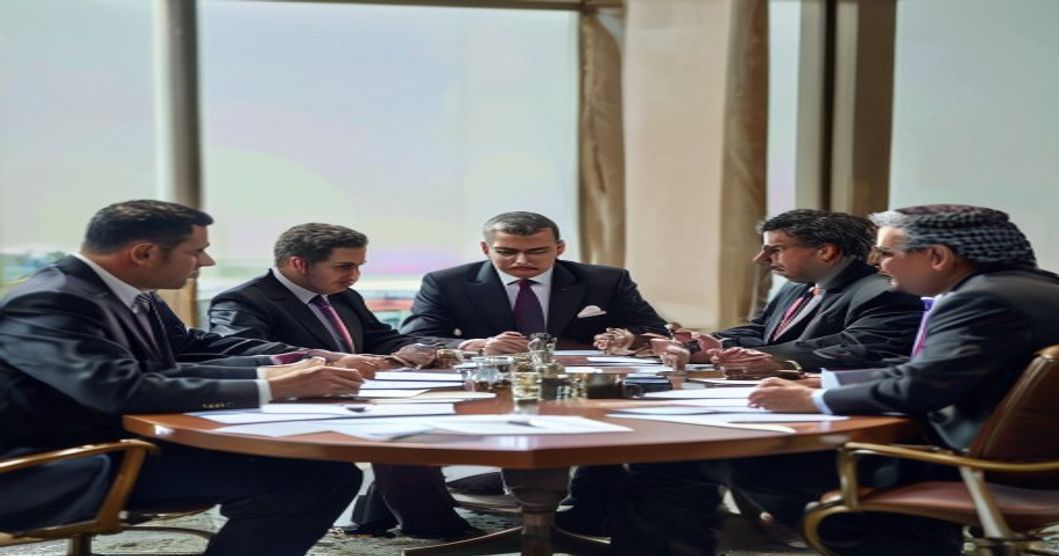
A fragile attempt at diplomacy in the Middle East
Amidst an unprecedented military escalation, the United States has confirmed that representatives from Lebanon and Israel will meet this Thursday for a second round of direct talks. This move, while necessary, takes place in a context of extreme tension, where the war has left deep scars on the urban and social fabric of southern Lebanon.
Washington's insistence on keeping communication channels open reflects the urgency of avoiding a full-scale regional conflagration. However, the gap between the rhetoric of peace and the reality on the ground is widening, recalling the fragility of diplomacy following critical incidents in the region.
The impact of the war on the ground
As diplomats prepare for the meeting, the Israeli armed forces continue with intense operations that have resulted in the systematic annihilation of multiple towns in Lebanese territory. The military strategy seems to follow a logic similar to that observed in other hotspots, as detailed in the analysis on Israeli military expansion in Gaza.
"The destruction of civilian infrastructure not only complicates long-term reconstruction but also erodes the trust necessary for any lasting peace agreement," international analysts point out.
Challenges for a ceasefire
The negotiations face significant obstacles that could determine the success or failure of the dialogue:
- Mass displacement: Thousands of civilians have fled their homes, creating a humanitarian crisis that puts pressure on both governments.
- Territorial sovereignty: The demarcation of security zones remains the greatest point of friction.
- External influence: The role of regional actors in the proxy war being waged in Lebanon makes it difficult for the parties involved to make decisions autonomously.
Conclusion
Next Thursday's meeting is a litmus test for international diplomacy. While dialogue is the only viable path to curbing the conflict, the tactical reality suggests that peace remains a distant horizon as long as military operations continue to set the pace for geopolitics in the Levant.
Related articles
27 de septiembre de 2026
Geopolitics at the pub: Ireland boycotts matches against Israel
Irish pubs are refusing to broadcast Nations League matches against Israel, turning sport into a new diplomatic battlefield.
20 de septiembre de 2026
The Pardon of Elor Azaria: A Turning Point in War and Diplomacy
The recent pardon of soldier Elor Azaria has reopened the debate surrounding military justice and the diplomatic repercussions of the Middle East conflict.
12 de septiembre de 2026
Diplomacy in the BRICS: Iran and the UAE seek de-escalation following conflict
The President of Iran and the Crown Prince of Abu Dhabi meet at the BRICS summit, marking a diplomatic milestone amidst regional instability.
4 de septiembre de 2026
Resistance in the West Bank: The Impact of Conflict in Khirbet al-Tabban
Following the mass demolition of 12 homes in Khirbet al-Tabban, residents have reaffirmed their determination to rebuild their lives on the land of their ancestors.
Loading comments...