Crisis in the Strait of Hormuz: Toward a global war escalation?
The closure of the Strait of Hormuz by Iran following the attacks in Lebanon marks a critical turning point in global geopolitics and energy supply.
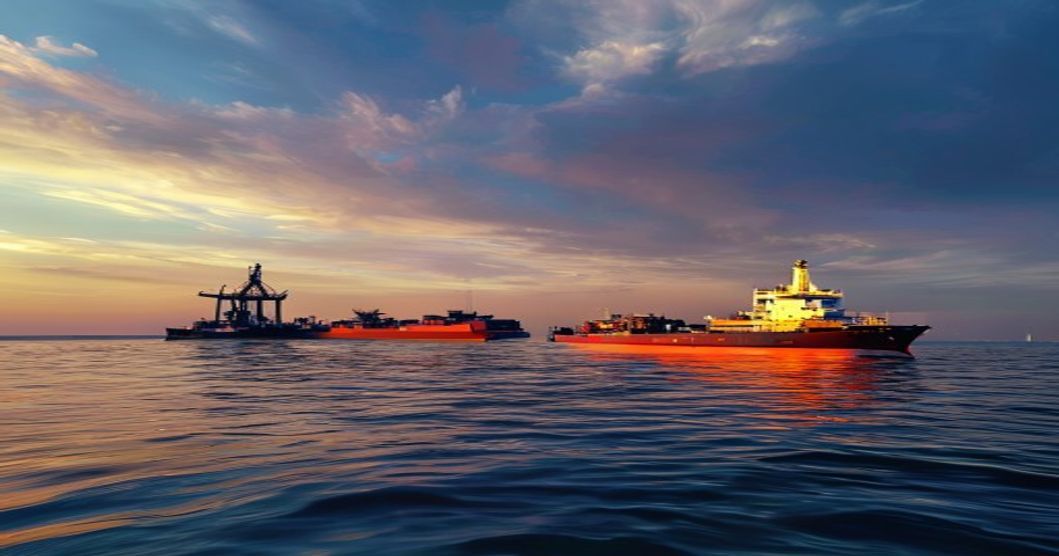
The turning point in the Strait of Hormuz
The recent decision by Iranian armed forces to close the Strait of Hormuz has set off alarms in chancelleries around the world. This strategic passage, which connects the Persian Gulf to the rest of the globe, is a vital artery through which approximately 20% of the world's oil consumption flows. The move comes as a direct response to the intensification of Israel's military operations in Lebanon, raising the risk of a regional conflict of unpredictable proportions.
The energy security crossroads
The closure of this route is not just a military maneuver; it is a forceful political message. The disruption of the flow of crude oil and liquefied natural gas threatens to send energy prices soaring, directly affecting the global economic recovery. Given this scenario, Diplomacy under pressure: U.S. and Iran begin critical talks becomes more necessary than ever to prevent tensions from escalating into an open confrontation.
"Control of the Strait of Hormuz has historically been Tehran's biggest bargaining chip. Its effective closure transforms a local crisis into a threat to international energy stability."
Is a diplomatic solution possible?
The war of words has given way to tactical moves on the ground that leave little room for maneuver. The international community is divided between the need to guarantee freedom of navigation and the urgency of containing the expansion of the conflict in the Middle East. Key points of this crisis include:
- Impact on markets: Uncertainty regarding supply has generated extreme volatility in oil futures.
- International response: Pressure on regional and global powers to mediate is at its peak.
- Risk of escalation: The possibility of other actors becoming involved in the direct confrontation between Israel and Iran.
The role of diplomacy in containment
Diplomacy remains the only path to avoid a collapse in regional security. However, skepticism is growing as hostilities drag on. While communication channels remain open, the global community is watching cautiously to see if dialogue will be enough to reopen this maritime passage or if we are facing a permanent shift in the balance of power in the region.
In conclusion, the world is facing an unprecedented geopolitical challenge. The stability of the Strait of Hormuz depends not only on the will of the parties involved, but on the international community's ability to impose a roadmap that prioritizes stability over war rhetoric.
Related articles
27 de septiembre de 2026
Geopolitics at the pub: Ireland boycotts matches against Israel
Irish pubs are refusing to broadcast Nations League matches against Israel, turning sport into a new diplomatic battlefield.
20 de septiembre de 2026
The Pardon of Elor Azaria: A Turning Point in War and Diplomacy
The recent pardon of soldier Elor Azaria has reopened the debate surrounding military justice and the diplomatic repercussions of the Middle East conflict.
12 de septiembre de 2026
Diplomacy in the BRICS: Iran and the UAE seek de-escalation following conflict
The President of Iran and the Crown Prince of Abu Dhabi meet at the BRICS summit, marking a diplomatic milestone amidst regional instability.
4 de septiembre de 2026
Resistance in the West Bank: The Impact of Conflict in Khirbet al-Tabban
Following the mass demolition of 12 homes in Khirbet al-Tabban, residents have reaffirmed their determination to rebuild their lives on the land of their ancestors.
Loading comments...