Attack on hospital in Gaza: war defies international law
The recent drone strike on Kamal Adwan Hospital highlights the humanitarian crisis and the failure of diplomacy in the ongoing war in Gaza.
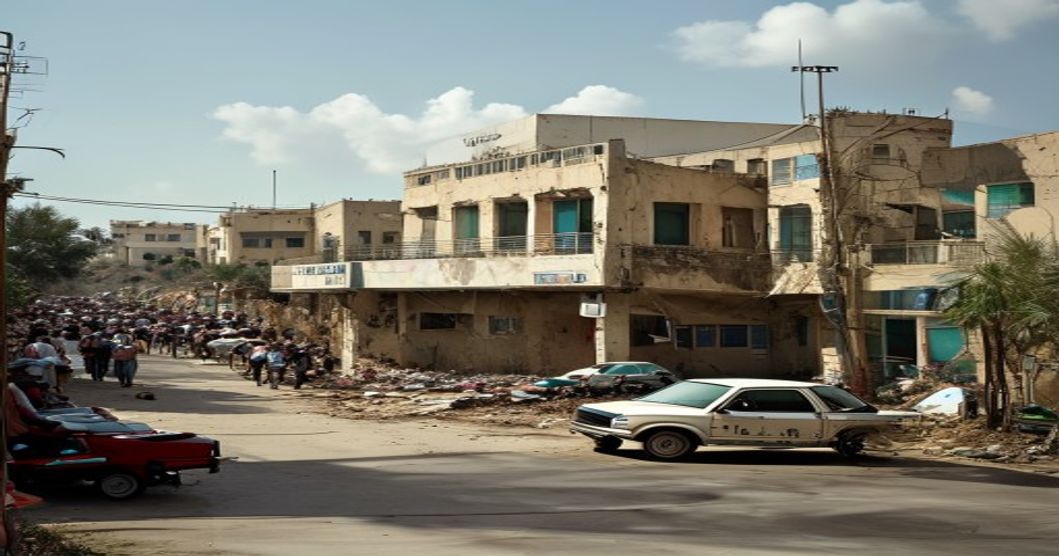
The vulnerability of medical centers in war
The recent drone attack carried out against staff at Kamal Adwan Hospital, in northern Gaza, has once again triggered international alarms. The Palestinian Ministry of Health has denounced this incident not as an isolated event, but as part of an alleged strategy of systematic attacks against health infrastructure in the region. This episode underscores the extreme fragility of institutions that are still attempting to provide basic services in the midst of active conflict.
Impact on healthcare
The disabling of or attacks on hospitals not only cause direct casualties among medical personnel, but also collapse a healthcare system that is already at its breaking point. The loss of lives and resources at centers like Kamal Adwan exacerbates the humanitarian catastrophe, leaving thousands of civilians without access to emergency surgeries or life-saving treatments. To delve deeper into this reality, it is essential to analyze the fragile diplomacy in the face of escalating violence and war in Gaza, where international efforts seem insufficient against the reality on the ground.
The role of diplomacy in a crisis scenario
The international community faces an unprecedented ethical and political dilemma. While humanitarian organizations demand the protection of hospitals under international humanitarian law, the actors involved in the war maintain positions that hinder any lasting ceasefire.
"Attacking healthcare workers is a direct blow to humanity in the midst of conflict," international bodies note in the face of the growing escalation.
Long-term consequences
The repetition of these attacks raises questions about the effectiveness of current diplomacy in curbing the violence. The consequences of this crisis will extend far beyond the borders of Gaza, affecting the geopolitical stability of the entire Middle East. The challenge for global mediators is not only to achieve a truce, but to ensure that the basic principles of protecting civilians and medical personnel are respected, preventing the healthcare system from becoming permanent collateral damage of armed confrontation.
Conclusion
The situation at Kamal Adwan Hospital is a grim reminder that, in modern war, spaces protected by international treaties have become vulnerable. Without decisive diplomatic intervention that prioritizes the safety of civilian infrastructure, the humanitarian crisis will continue to deepen, leaving a legacy of devastation that will be difficult to repair.
Related articles
27 de septiembre de 2026
Geopolitics at the pub: Ireland boycotts matches against Israel
Irish pubs are refusing to broadcast Nations League matches against Israel, turning sport into a new diplomatic battlefield.
20 de septiembre de 2026
The Pardon of Elor Azaria: A Turning Point in War and Diplomacy
The recent pardon of soldier Elor Azaria has reopened the debate surrounding military justice and the diplomatic repercussions of the Middle East conflict.
12 de septiembre de 2026
Diplomacy in the BRICS: Iran and the UAE seek de-escalation following conflict
The President of Iran and the Crown Prince of Abu Dhabi meet at the BRICS summit, marking a diplomatic milestone amidst regional instability.
4 de septiembre de 2026
Resistance in the West Bank: The Impact of Conflict in Khirbet al-Tabban
Following the mass demolition of 12 homes in Khirbet al-Tabban, residents have reaffirmed their determination to rebuild their lives on the land of their ancestors.
Loading comments...