Real Estate Market Crisis: Roofing Costs Hit the Stock Market
New federal regulations shift roof repair costs onto homeowners, impacting the financial stability of the insurance sector.
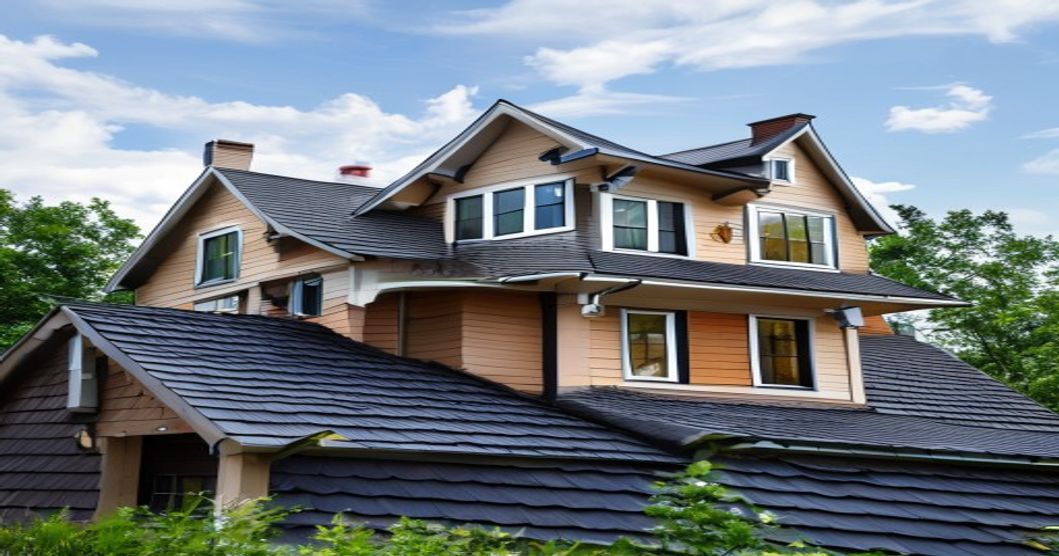
The Policy Shift Shaking the Real Estate Market
The stability of the real estate market is facing an unexpected challenge. With the arrival of hurricane and hailstorm season, homeowners are confronted with an unprecedented financial dilemma: new federal regulations now allow insurance companies to shift a significant portion of roof replacement costs directly onto the policyholders. This maneuver aims to protect corporate balance sheets, but it leaves families in a position of critical economic vulnerability.
Between Rising Premiums and Out-of-Pocket Expenses
The current situation forces homeowners to choose between two discouraging paths:
- Filing an insurance claim: This carries the imminent risk of increased future premiums, affecting the family budget in the long term.
- Assuming the full cost: Paying out-of-pocket for repairs that were previously covered, which can be a devastating blow to savings.
"Shifting costs to the end consumer not only alters how insurers manage risk, but also redefines how households manage their real estate assets in the face of natural disasters."
Impact on Investment and Stock Market Confidence
This regulatory change is symptomatic of how institutions are adjusting their exposure to climate risk. For investors, this phenomenon is crucial when analyzing the performance of insurance companies on the stock market. While these measures may improve profit margins in the short term, they could also reduce household discretionary spending, indirectly impacting other sectors of the economy.
The uncertainty is not limited to insurers. Much like when we analyze the market's bullish bet: Is Kevin Warsh the key to the stock market?, investors must remain attentive to how federal policies dictate capital flows. Shifting operational costs to the consumer is a red flag regarding the financial health of the sector.
Conclusion
The new reality for homeowners is clear: insurance no longer acts as a comprehensive safety net. In a context where climate change is increasing the frequency of claims, investment in preventive maintenance has become more necessary than ever. Financial market participants must closely monitor how this tension between insurers and homeowners affects the long-term stability of the insurance sector and, consequently, overall market sentiment.
Related articles
26 de septiembre de 2026
Market Impact: The $1 Trillion Medicaid Cut and Its Risks
The implementation of new work requirements for Medicaid promises to reduce federal spending by $1 trillion, threatening the stability of millions.
19 de septiembre de 2026
Trump proposes federal 'AI Force': impact on the market and the stock exchange
Donald Trump proposes the creation of a special task force dedicated to artificial intelligence, marking a new milestone in the global tech race.
11 de septiembre de 2026
Oracle Challenges AI Doubts: Why Is the Market Reacting This Way?
Oracle reports solid results, dispelling doubts about its AI spending, but stock market volatility continues to test investor enthusiasm.
2 de septiembre de 2026
Uncertainty in the stock market: Wall Street fears further rate hikes
The possibility of an interest rate hike by the Fed is causing nervousness on Wall Street ahead of key upcoming economic data.
Loading comments...