Kevin Warsh's Strategy: How the Market Is Reacting to the Fed
Kevin Warsh's new leadership at the Federal Reserve is successfully moderating bond yields despite current inflationary pressures.
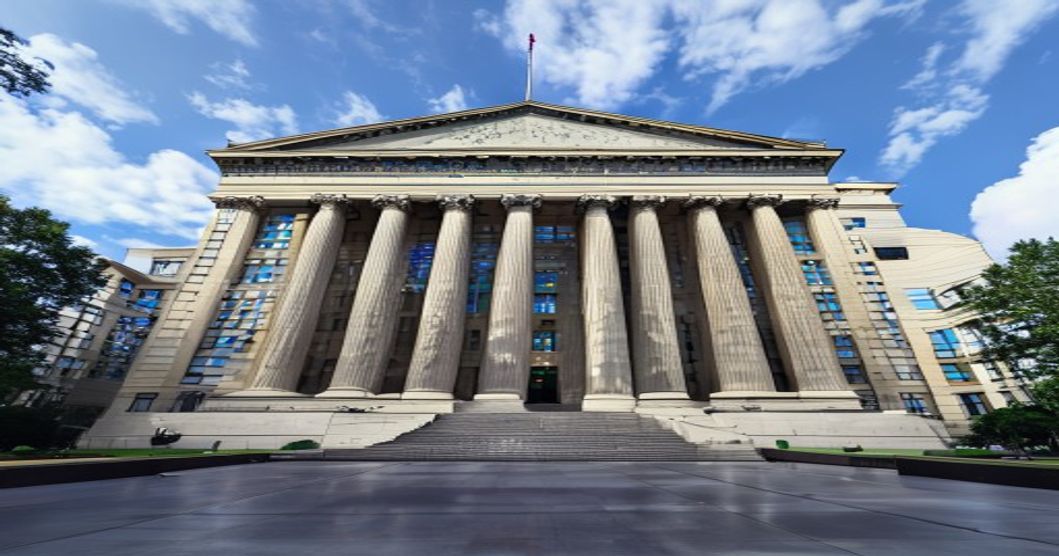
The Federal Reserve's New Approach and Its Market Impact
The global financial landscape is undergoing an unusual phase of adjustment. While macroeconomic data show a rebound in inflation, Treasury bond yields have begun to decline, defying traditional economic logic. This phenomenon has a clear protagonist: Kevin Warsh, the new Chair of the Federal Reserve, whose firm and decisive rhetoric is succeeding in calming the waters in financial markets.
A central bank's ability to manage expectations is just as crucial as its interest rate policies. In this case, Warsh's direct communication regarding price containment has served as an anchor, convincing investors that the institution will not allow inflation to spiral out of control, regardless of short-term monthly data.
The Inflation-Bond Paradox
It is curious to observe how, in a scenario of rising prices, yields are falling instead of rising. This suggests that the market is casting a vote of confidence in the Fed's communication strategy. The credibility of the issuer is, ultimately, the most valuable asset in any monetary policy.
"The firmness of the Fed's rhetoric under Warsh's leadership acts as a containment mechanism, reducing the risk premium that investors demand to hold long-term debt," analysts in fixed income observe.
Implications for Investment and the Stock Market
This environment of volatility requires investors to maintain a clear view of the fundamentals. While optimism seems to prevail, it is essential to remember that underlying inflation: the challenge keeping the market and the stock exchange on edge remains a critical variable that could alter projections at any moment.
To navigate this stage, financial actors should consider:
- Strategic diversification: Do not rely exclusively on equities in the face of potential shifts in the Fed's direction.
- Data analysis: Closely monitor the minutes of upcoming meetings, looking beyond the media noise.
- Risk management: Avoid making impulsive decisions based on temporary fluctuations in the stock market.
Conclusion
Warsh's leadership has, for now, achieved a delicate balance. By projecting an image of rigor in the face of inflation, he has allowed bond yields to stabilize, providing some breathing room for risk assets. However, the true test will come when economic data forces the Fed to move from words to definitive action. Until then, caution remains the best ally for any long-term investment strategy.
Related articles
26 de septiembre de 2026
Market Impact: The $1 Trillion Medicaid Cut and Its Risks
The implementation of new work requirements for Medicaid promises to reduce federal spending by $1 trillion, threatening the stability of millions.
19 de septiembre de 2026
Trump proposes federal 'AI Force': impact on the market and the stock exchange
Donald Trump proposes the creation of a special task force dedicated to artificial intelligence, marking a new milestone in the global tech race.
11 de septiembre de 2026
Oracle Challenges AI Doubts: Why Is the Market Reacting This Way?
Oracle reports solid results, dispelling doubts about its AI spending, but stock market volatility continues to test investor enthusiasm.
2 de septiembre de 2026
Uncertainty in the stock market: Wall Street fears further rate hikes
The possibility of an interest rate hike by the Fed is causing nervousness on Wall Street ahead of key upcoming economic data.
Loading comments...